What to Wear While Breastfeeding in Spring: Building a Transeasonal Wardrobe
Spring is one of those seasons when getting dressed can feel surprisingly complicated. The morning calls for a jumper, the afternoon feels like summer, and by the time you're heading home, you're reaching for another layer.
Add breastfeeding into the equation, and suddenly there's more to think about than the weather.
Can you feed comfortably in what you're wearing? Will you have to remove several layers? Is the fabric breathable enough for a warm afternoon? And perhaps most importantly, does the outfit still feel like you?
The good news is that building a breastfeeding-friendly spring wardrobe doesn't mean starting from scratch. With a few thoughtful pieces and some clever layering, you can put together outfits that work for changing temperatures, everyday life and feeding on the go.
1. Start with a breastfeeding-friendly base layer
A good base layer is the foundation of a practical spring outfit, especially when the weather can't quite make up its mind.
Think comfortable cotton tees, relaxed tops and pieces that work just as well on their own as they do underneath a jacket or cardigan.
If you're breastfeeding, consider how you'll access your breast when you're wearing multiple layers. A regular T-shirt might look great underneath a jacket, but having to lift it up every time your baby needs feeding can leave your stomach and back exposed.
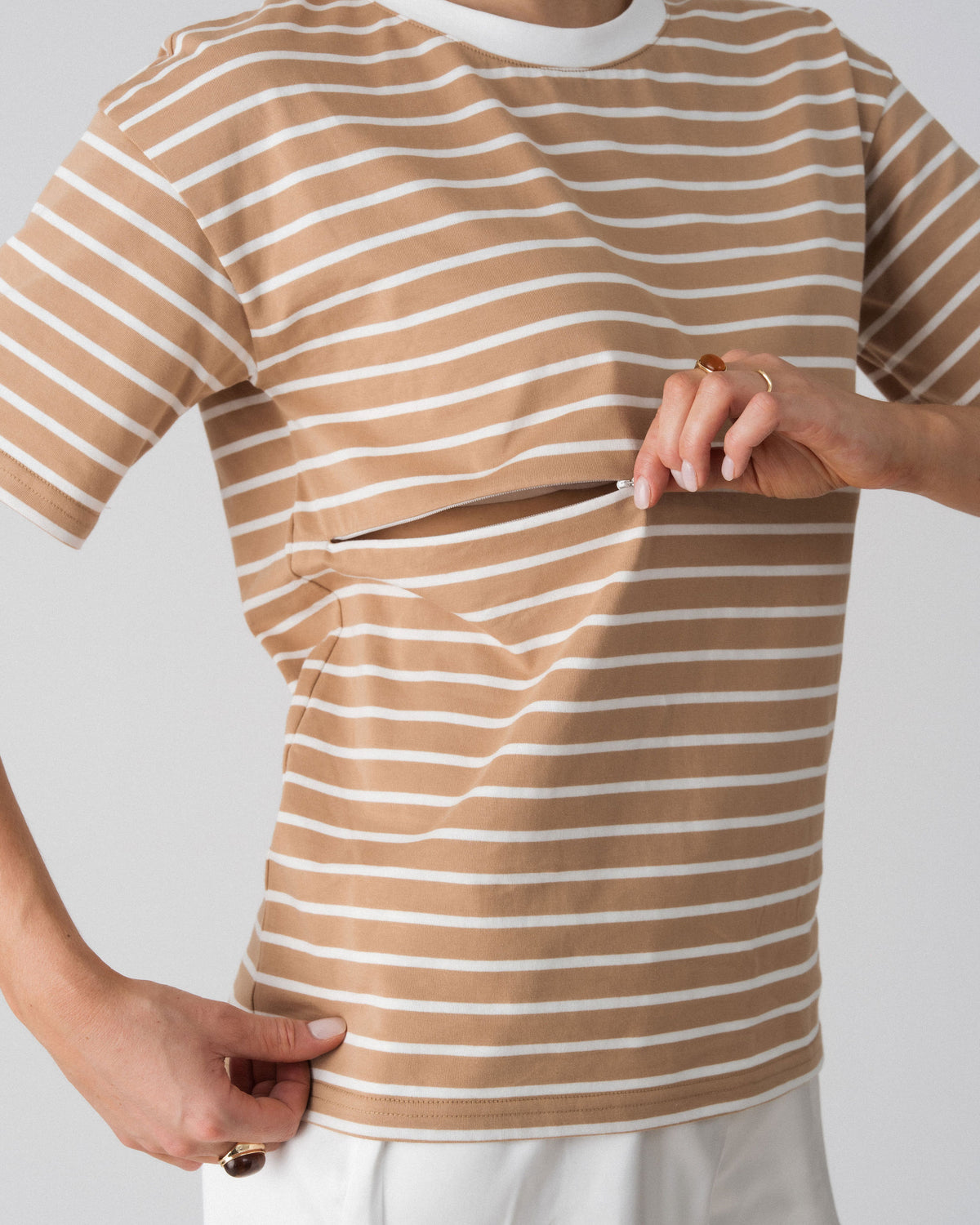
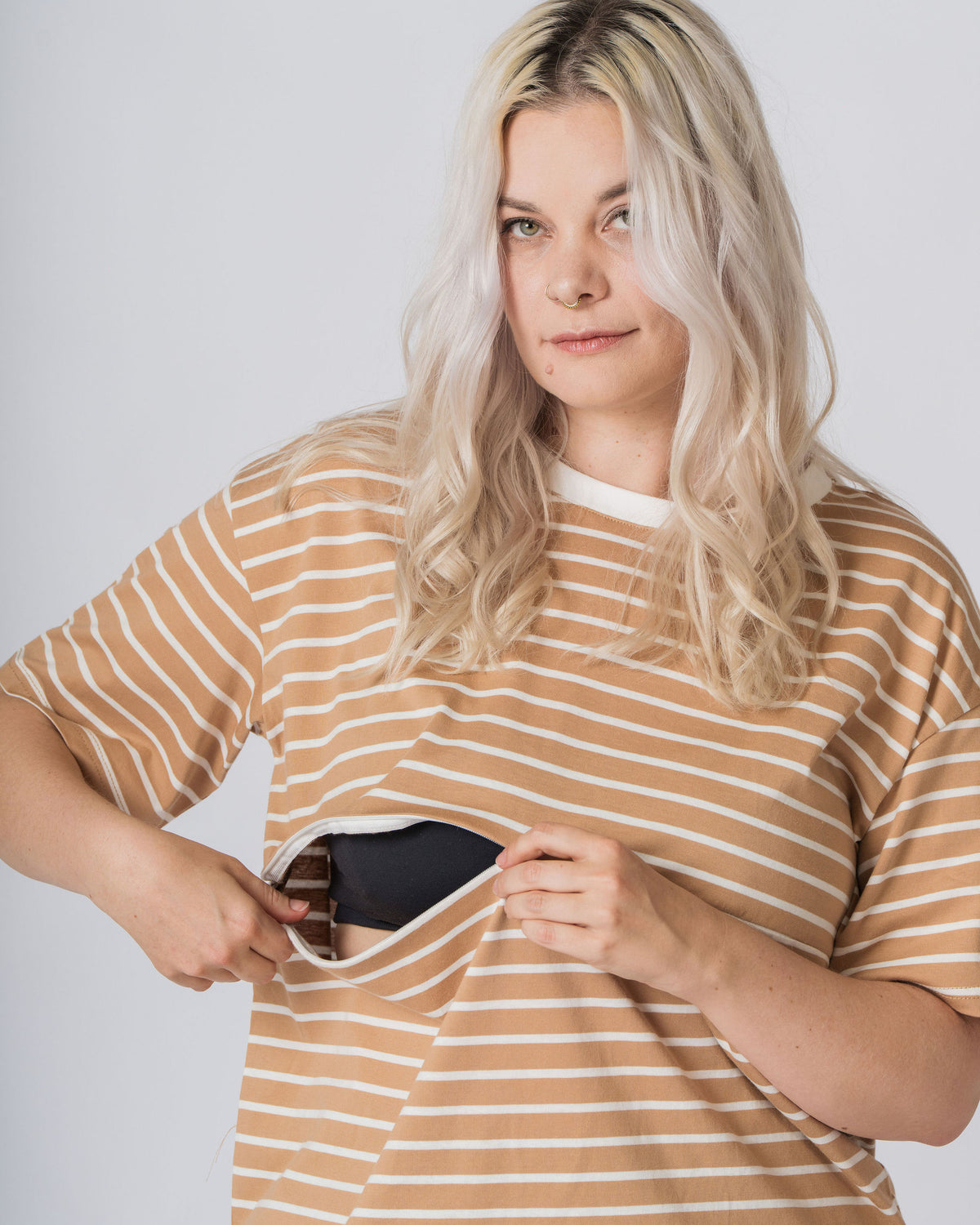
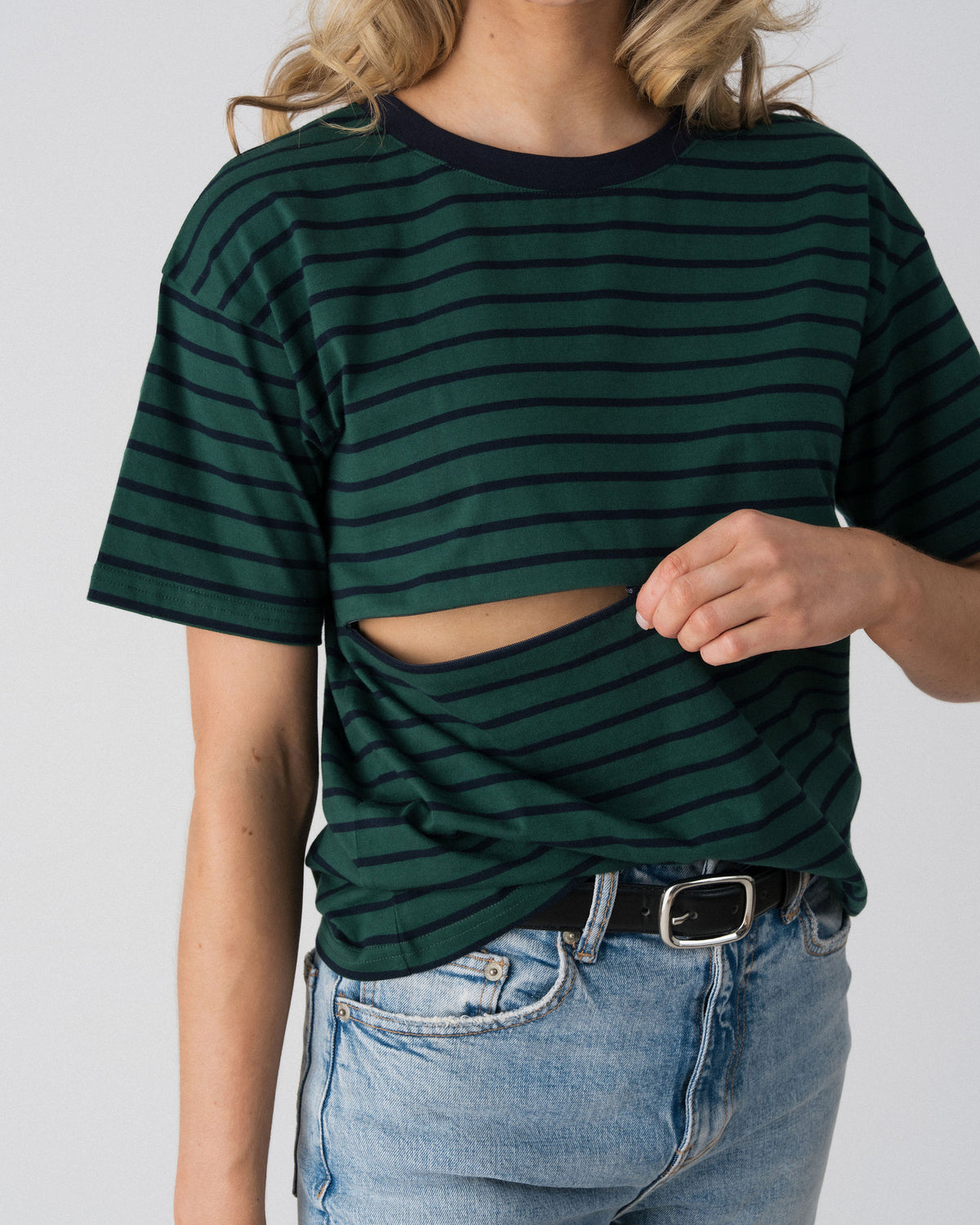
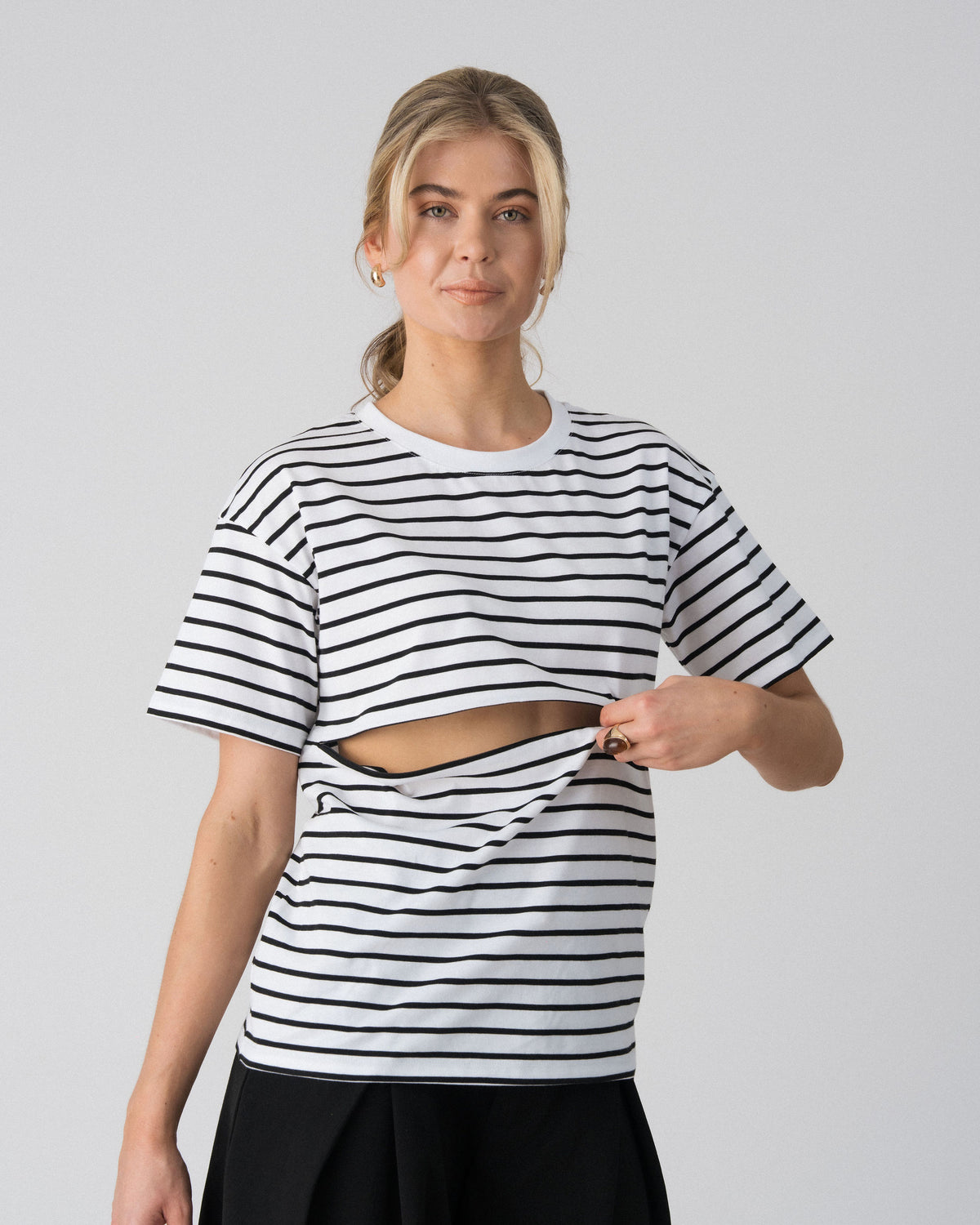
Breastfeeding-friendly tees with discreet access points, such as hidden underbust zips, allow you to feed without removing or lifting the entire garment.
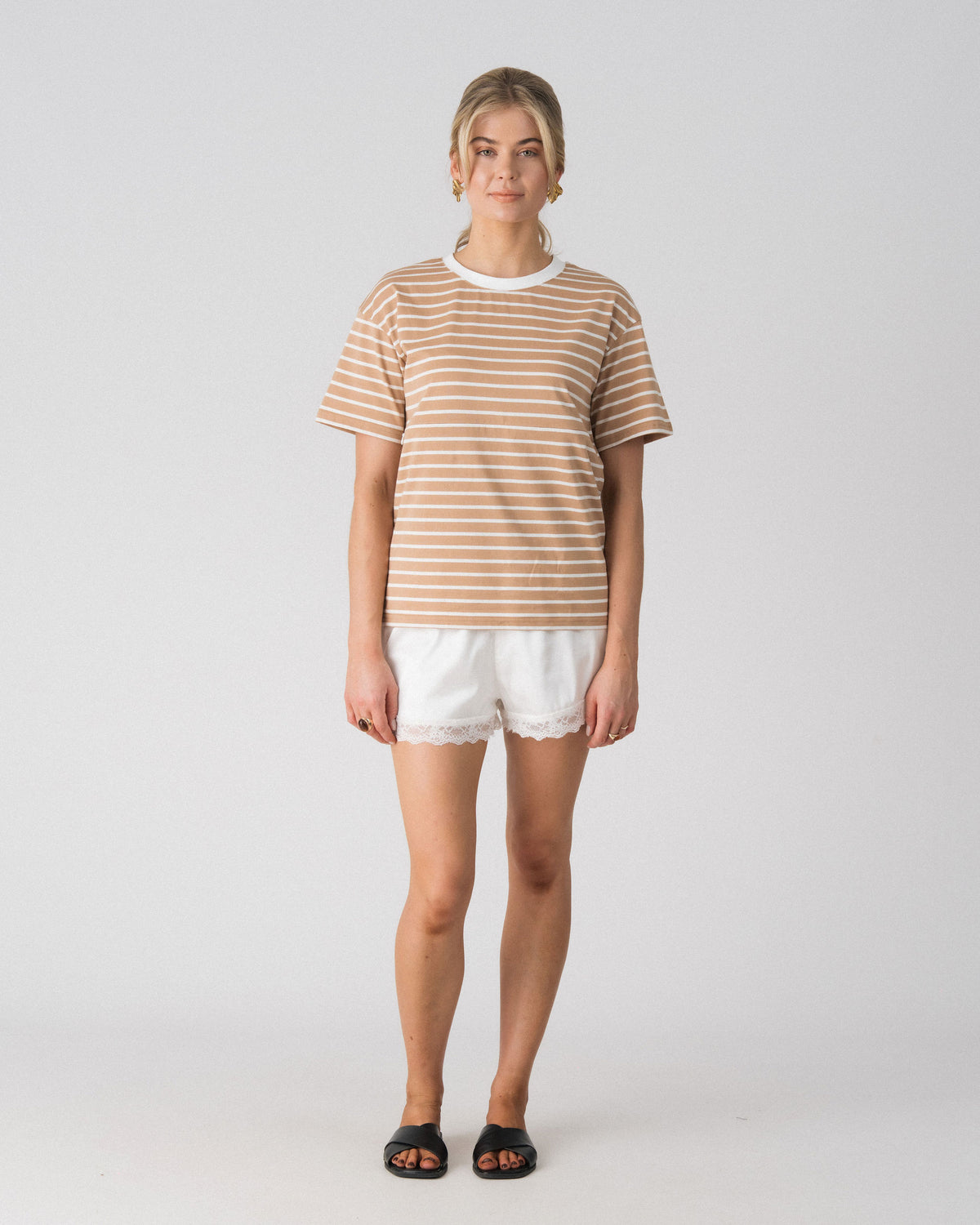
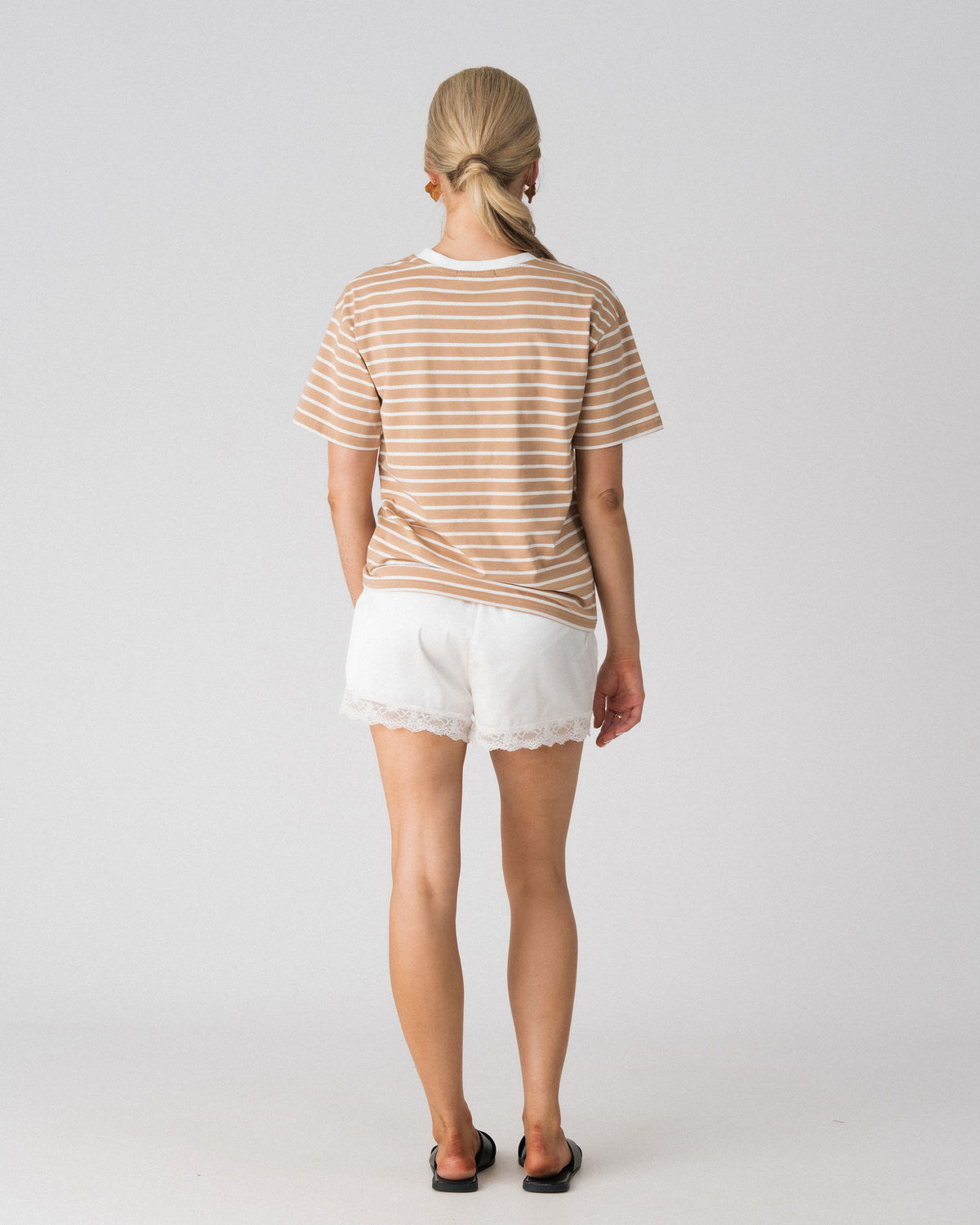
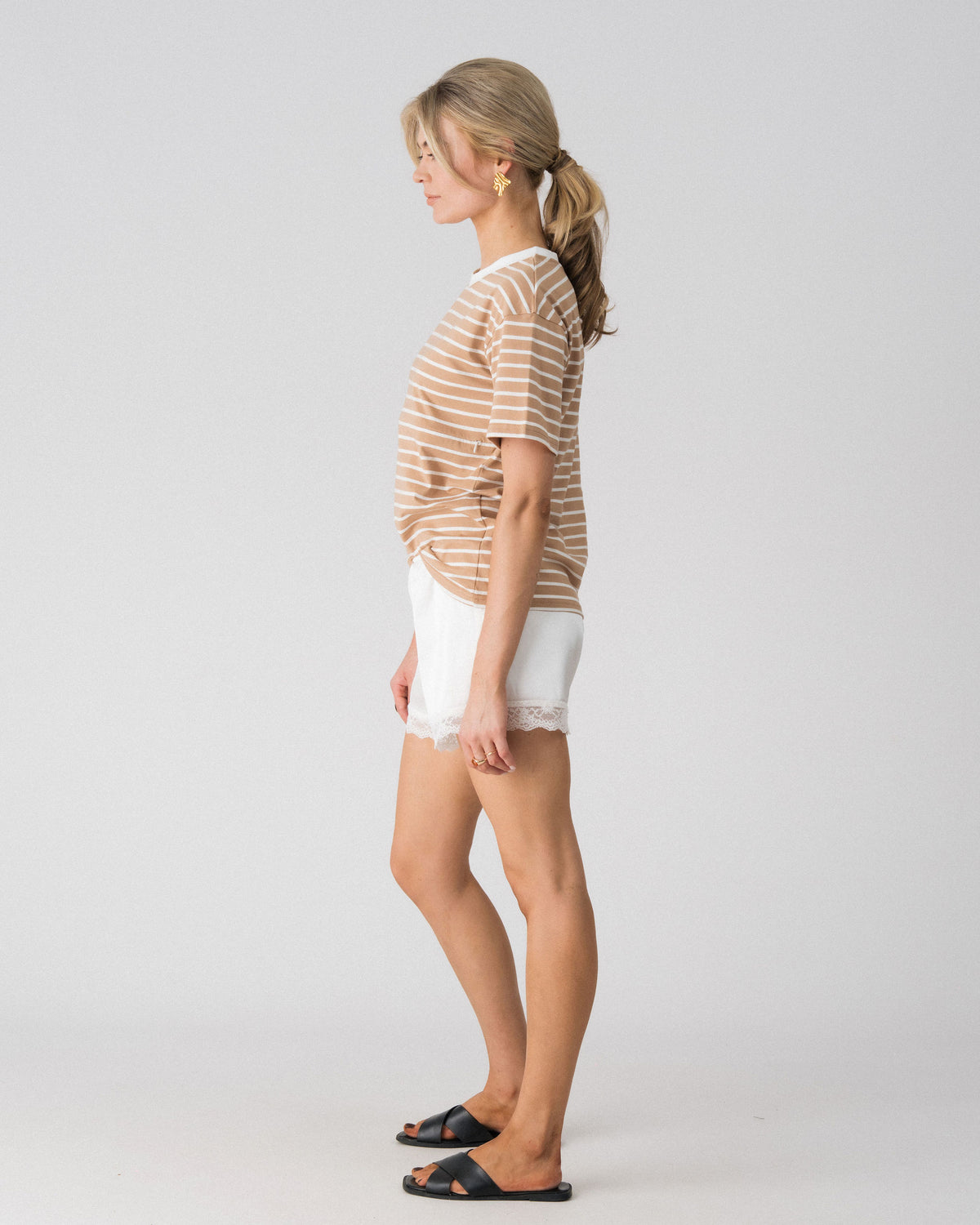
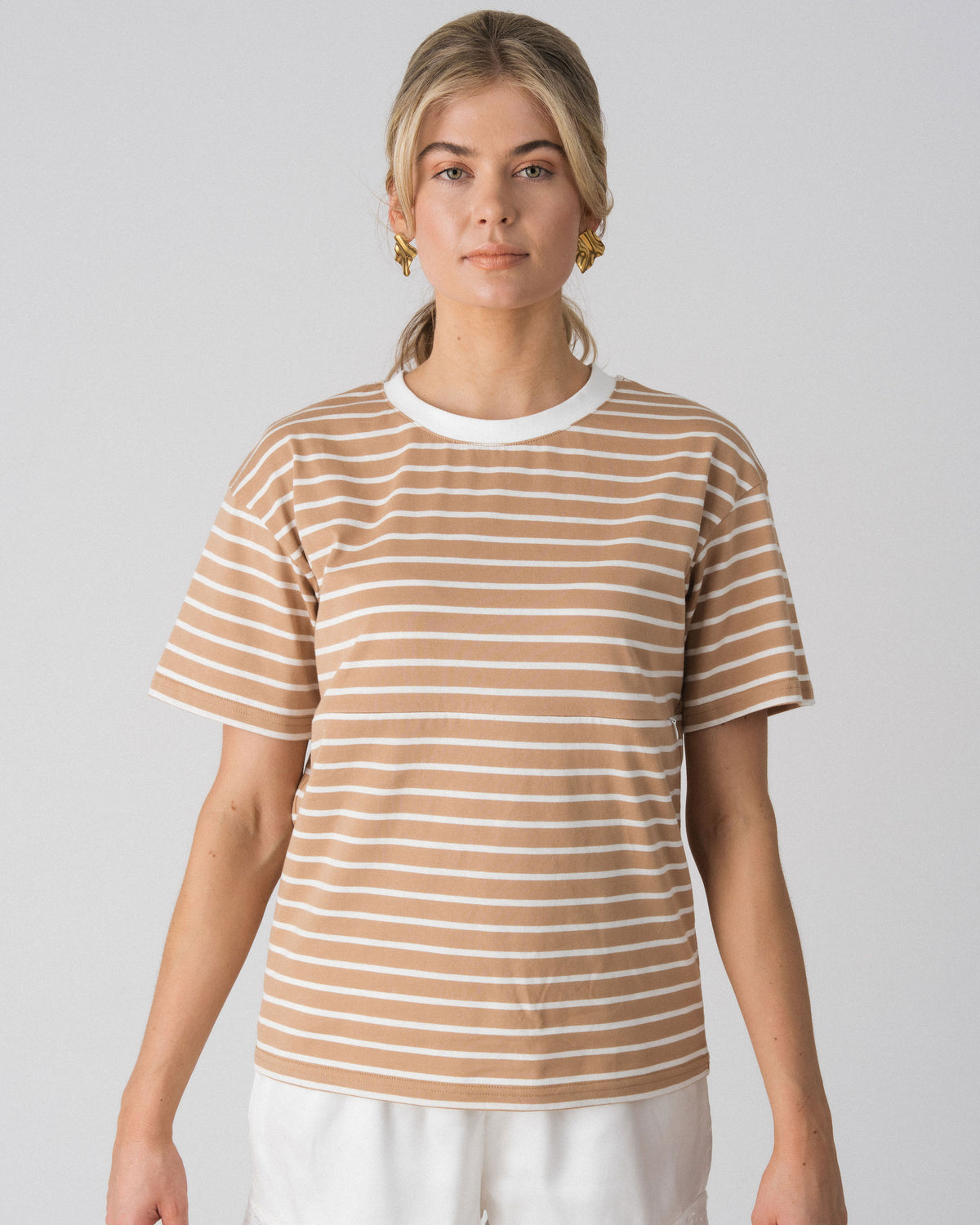
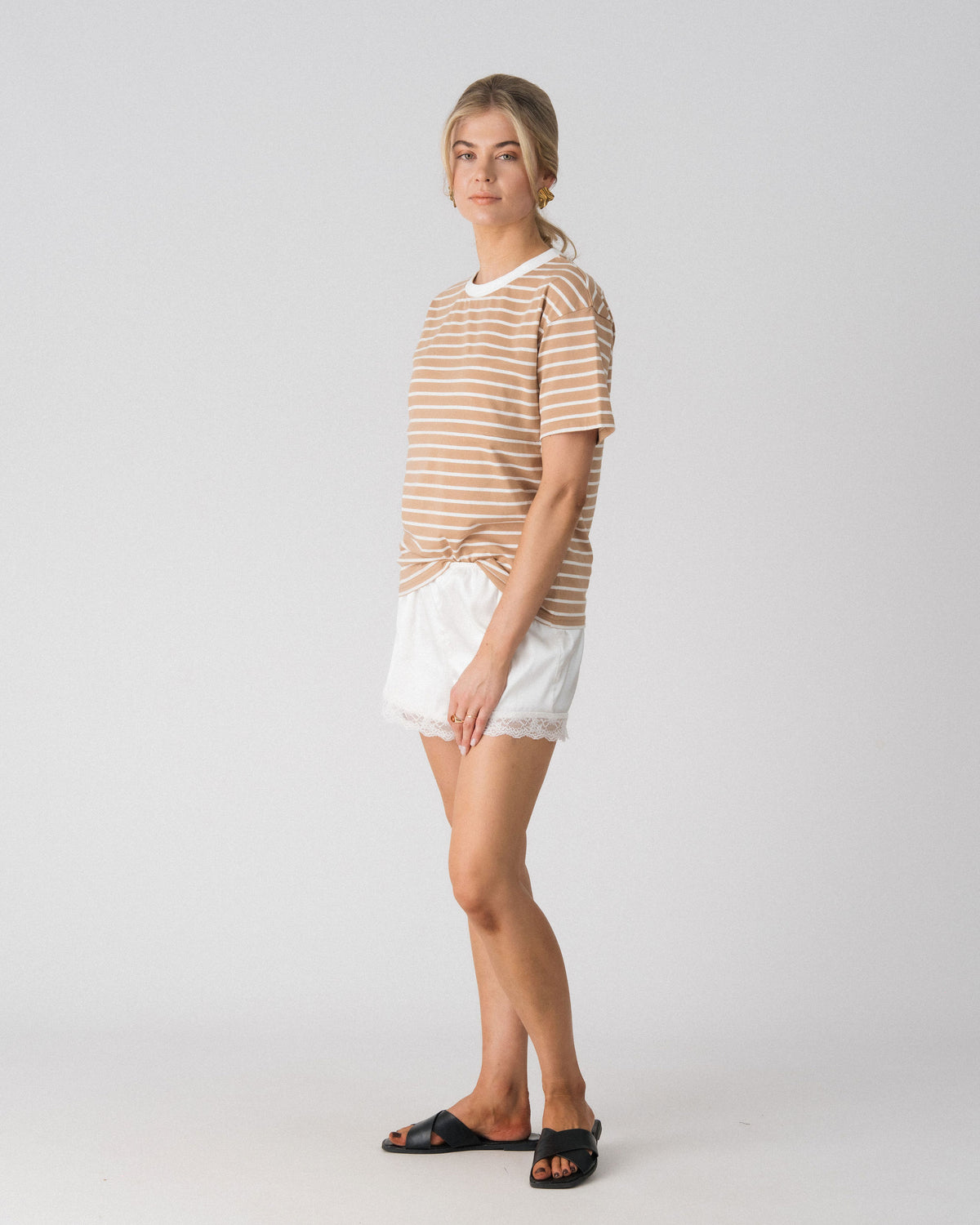
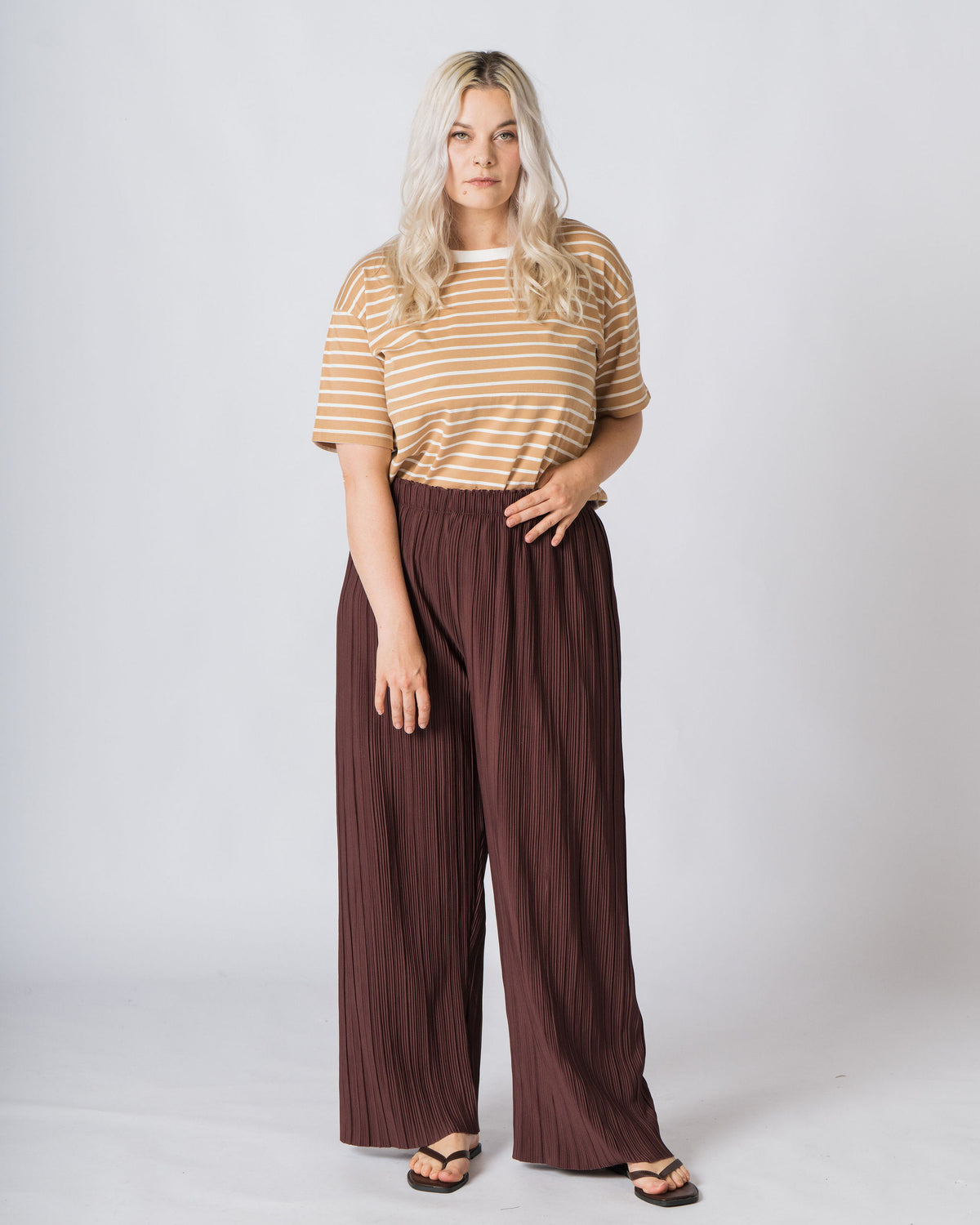
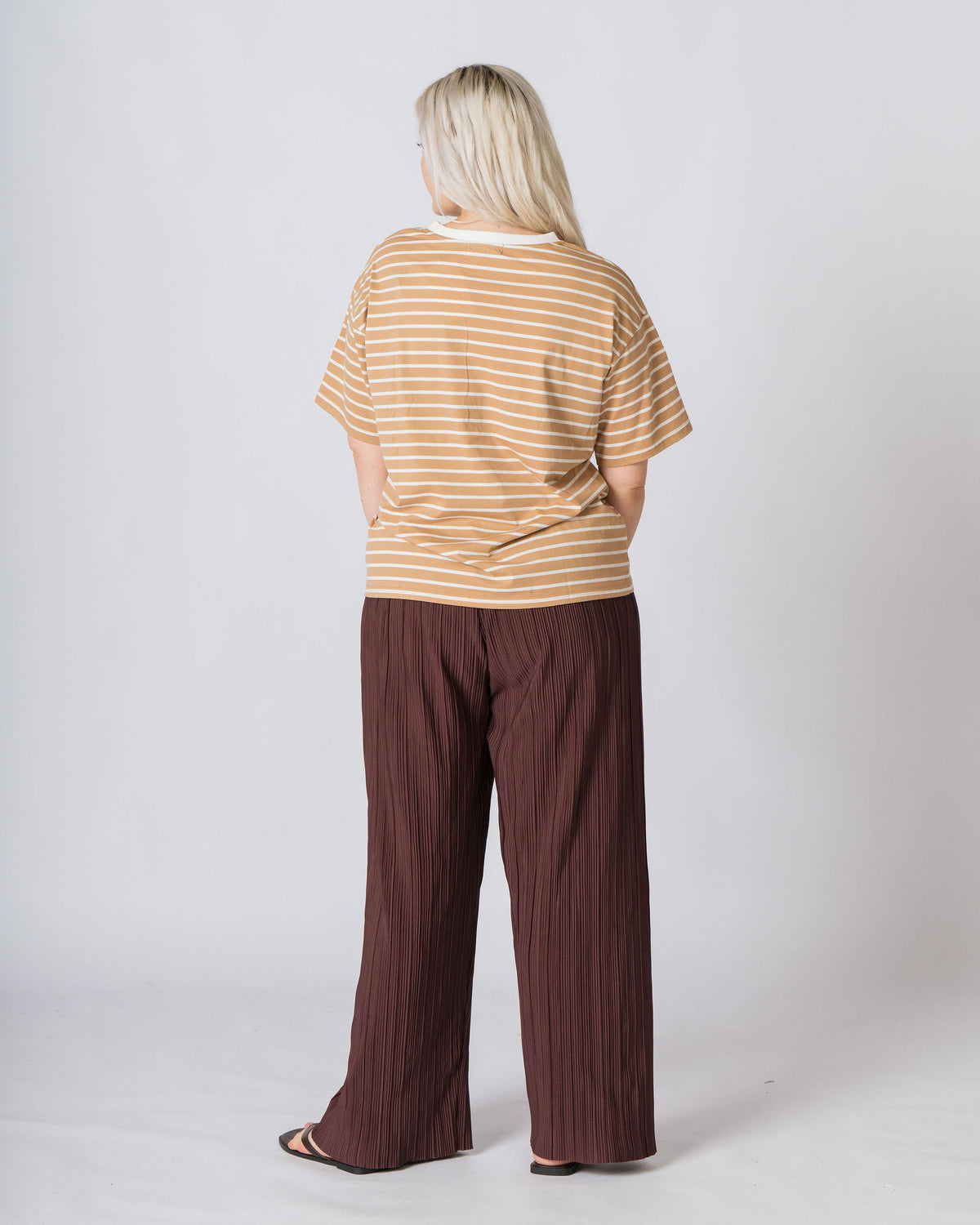
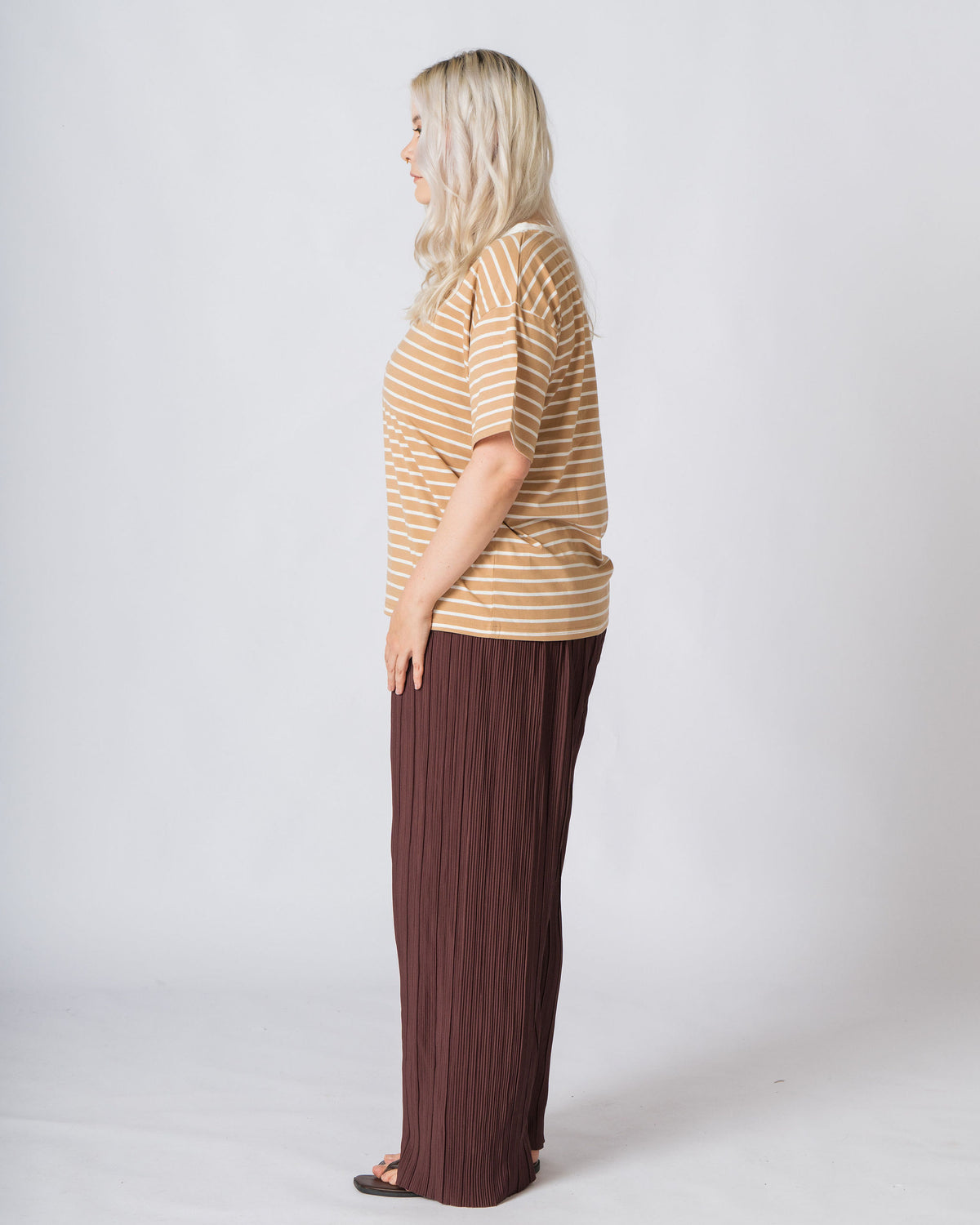
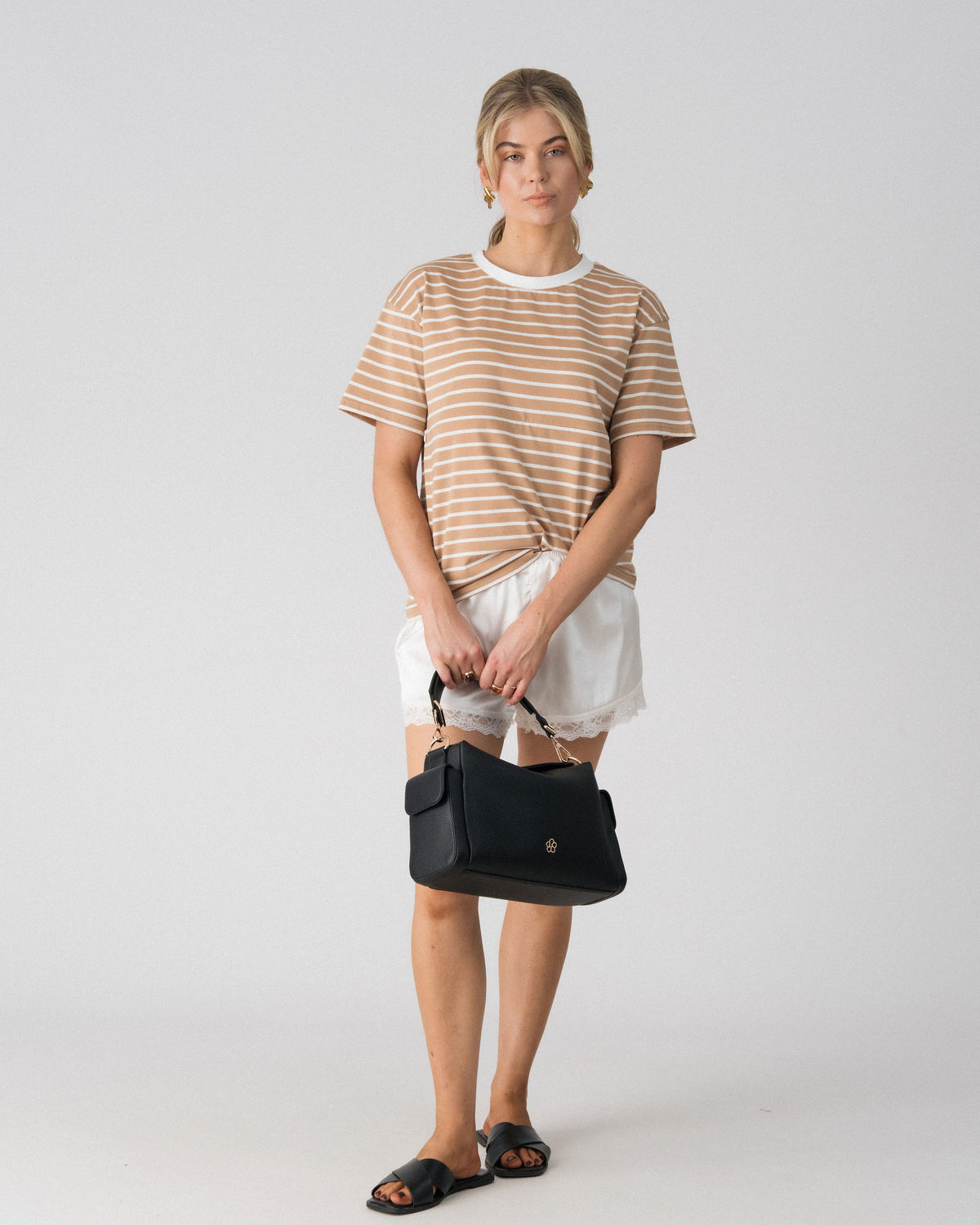
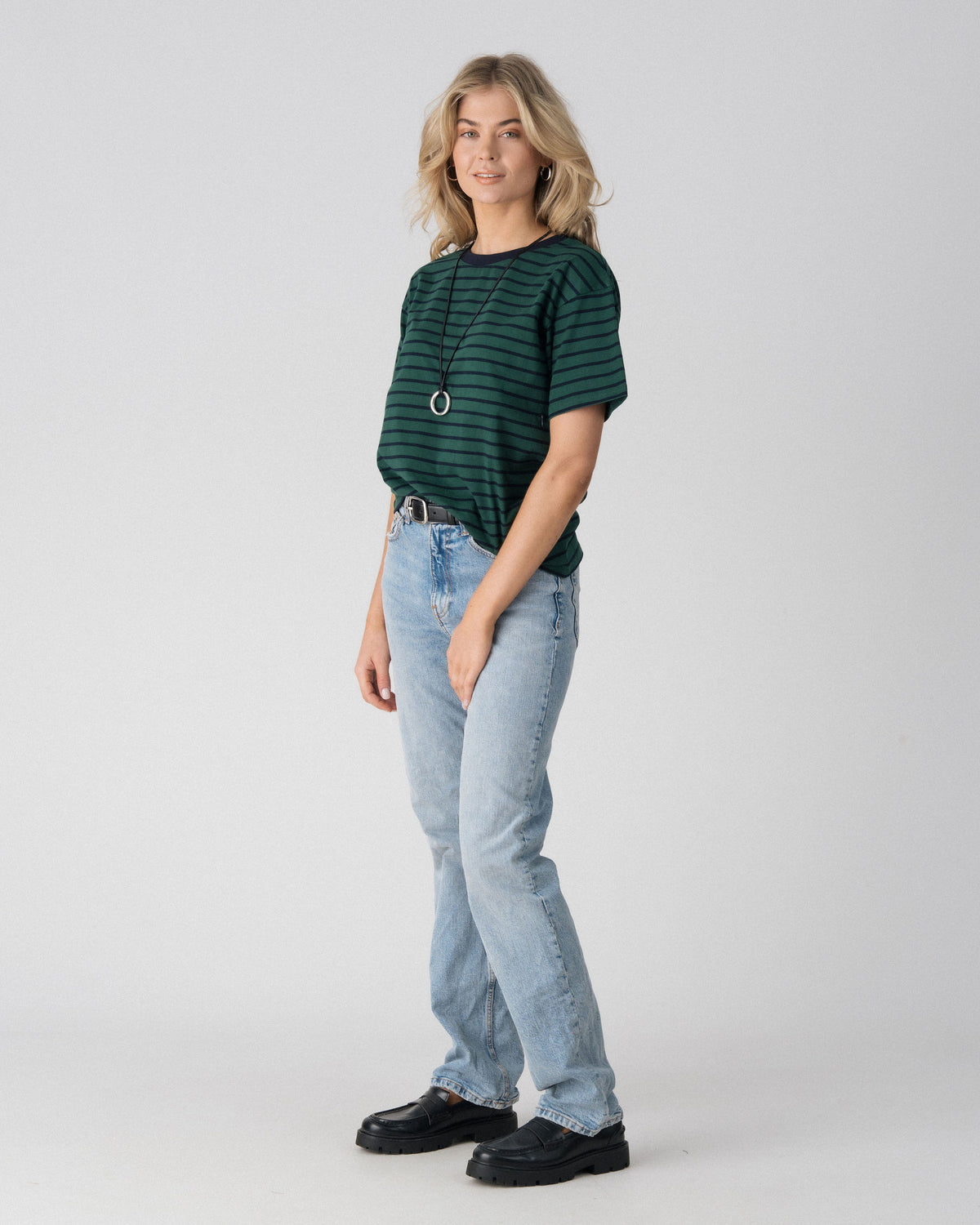
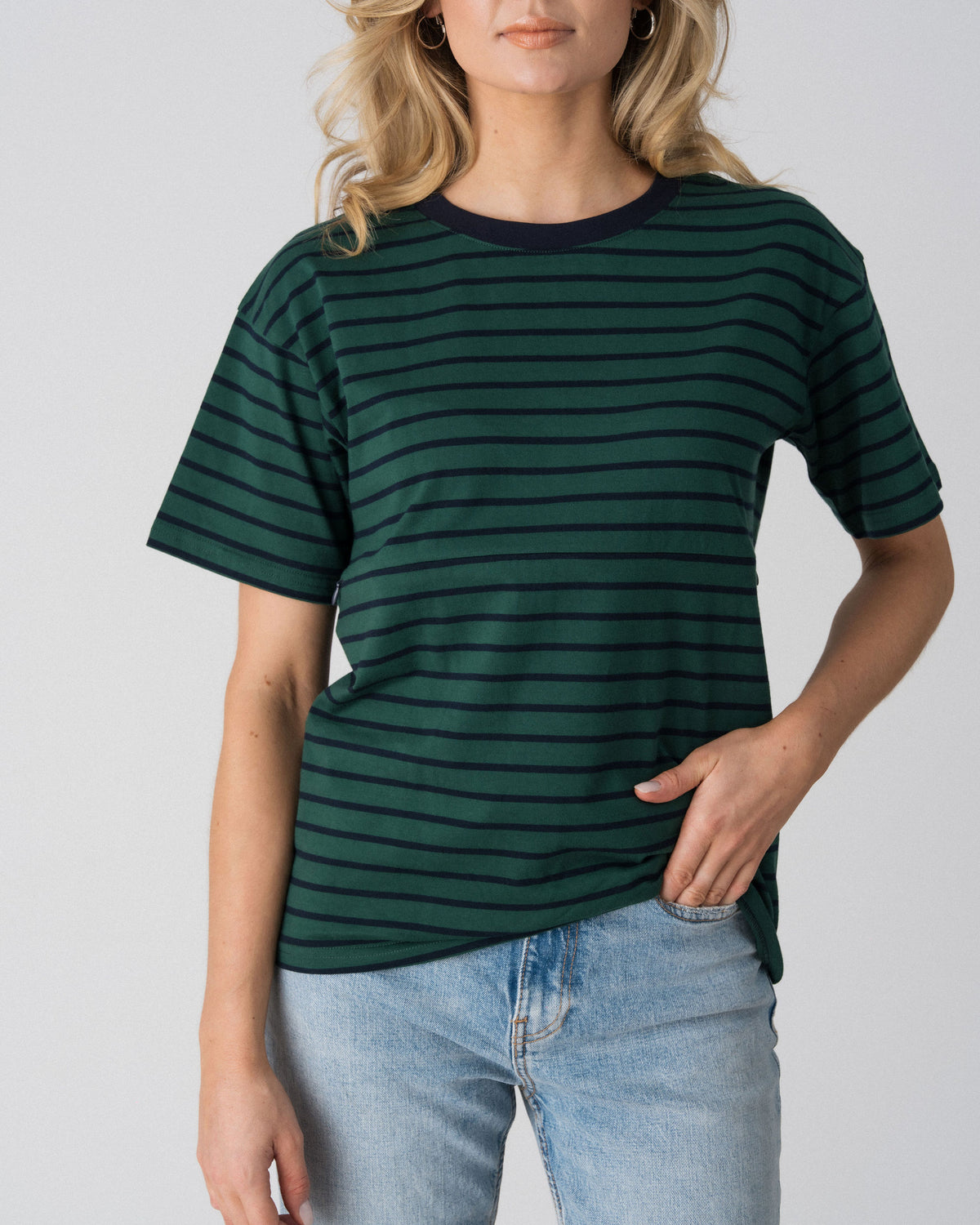
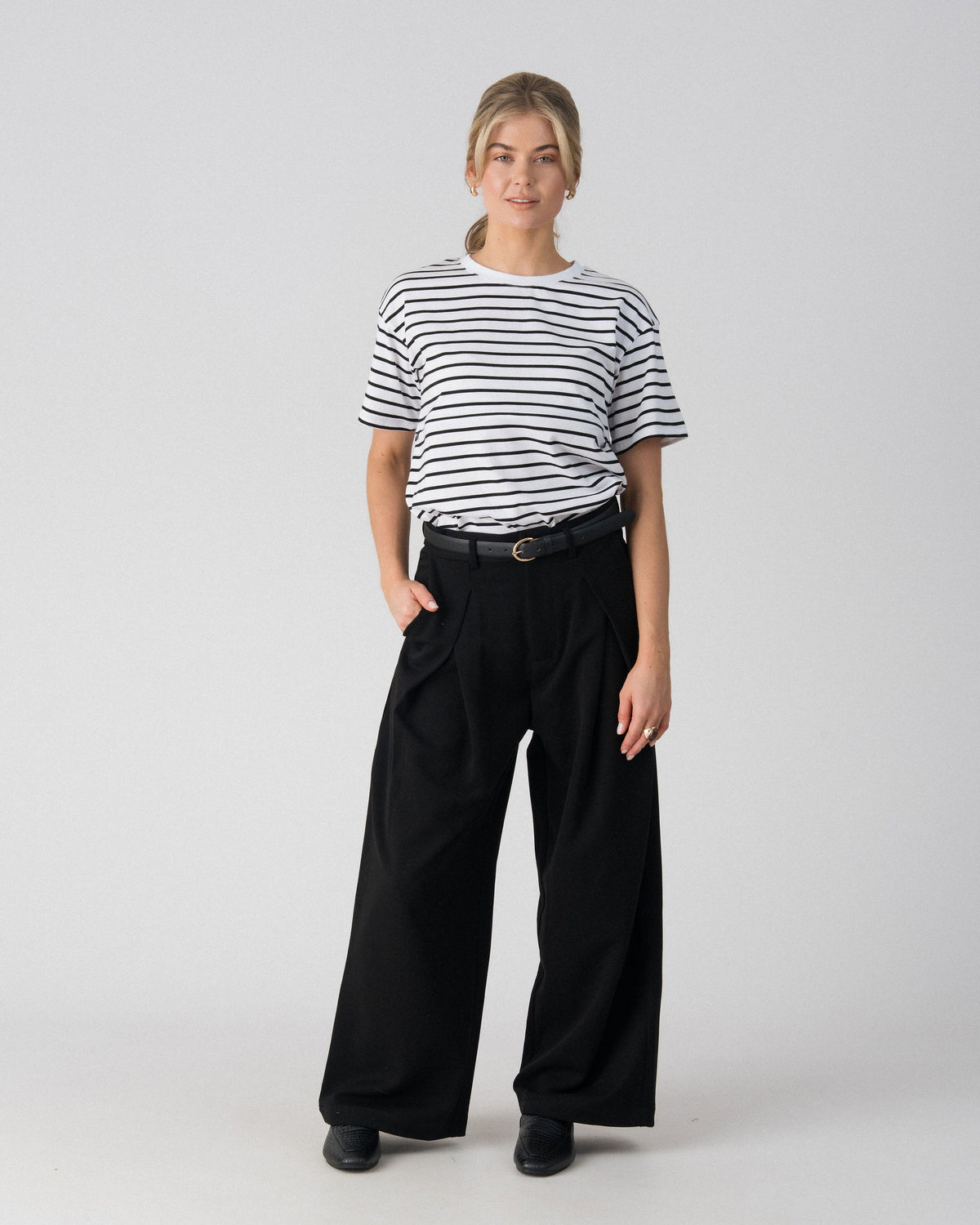
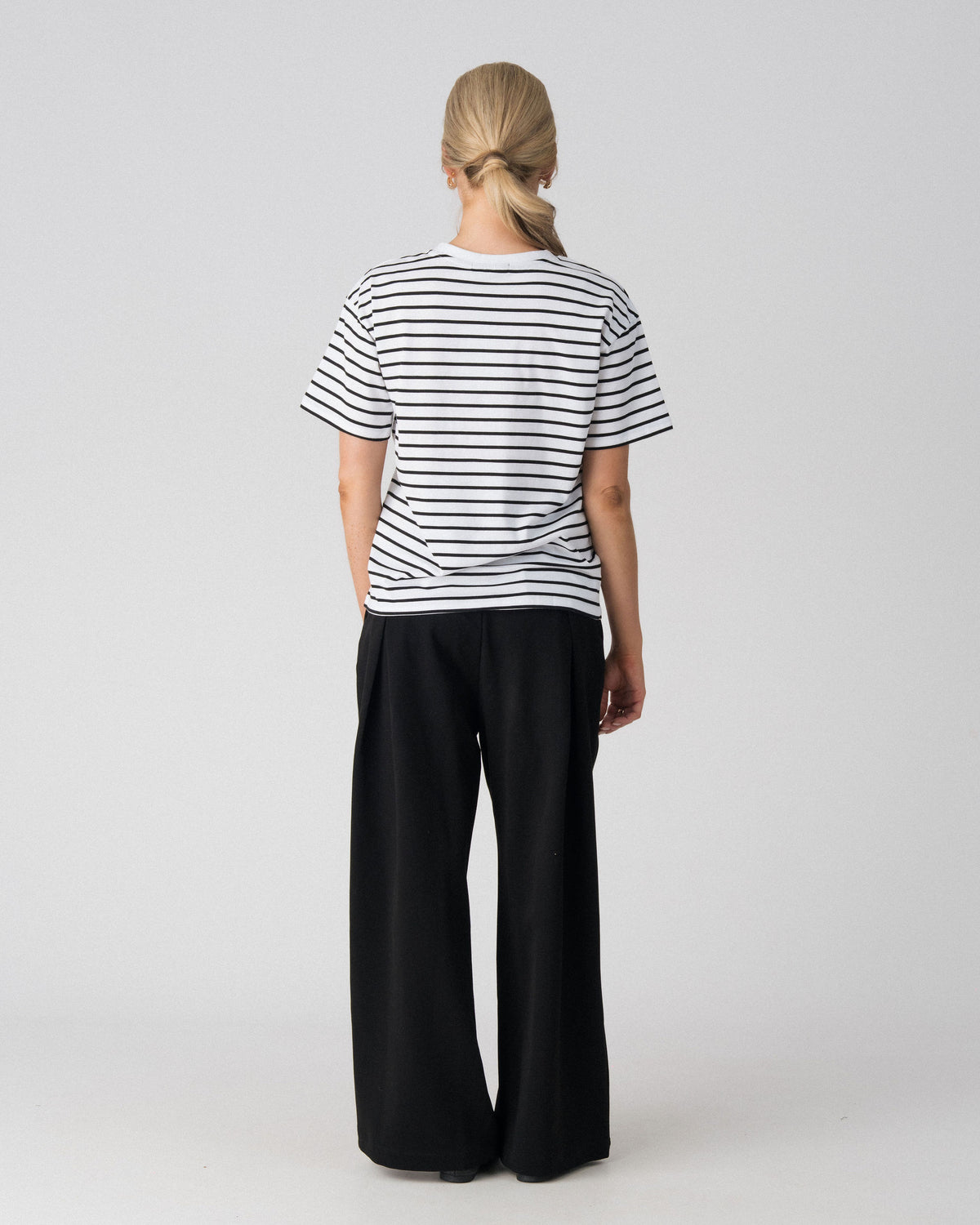
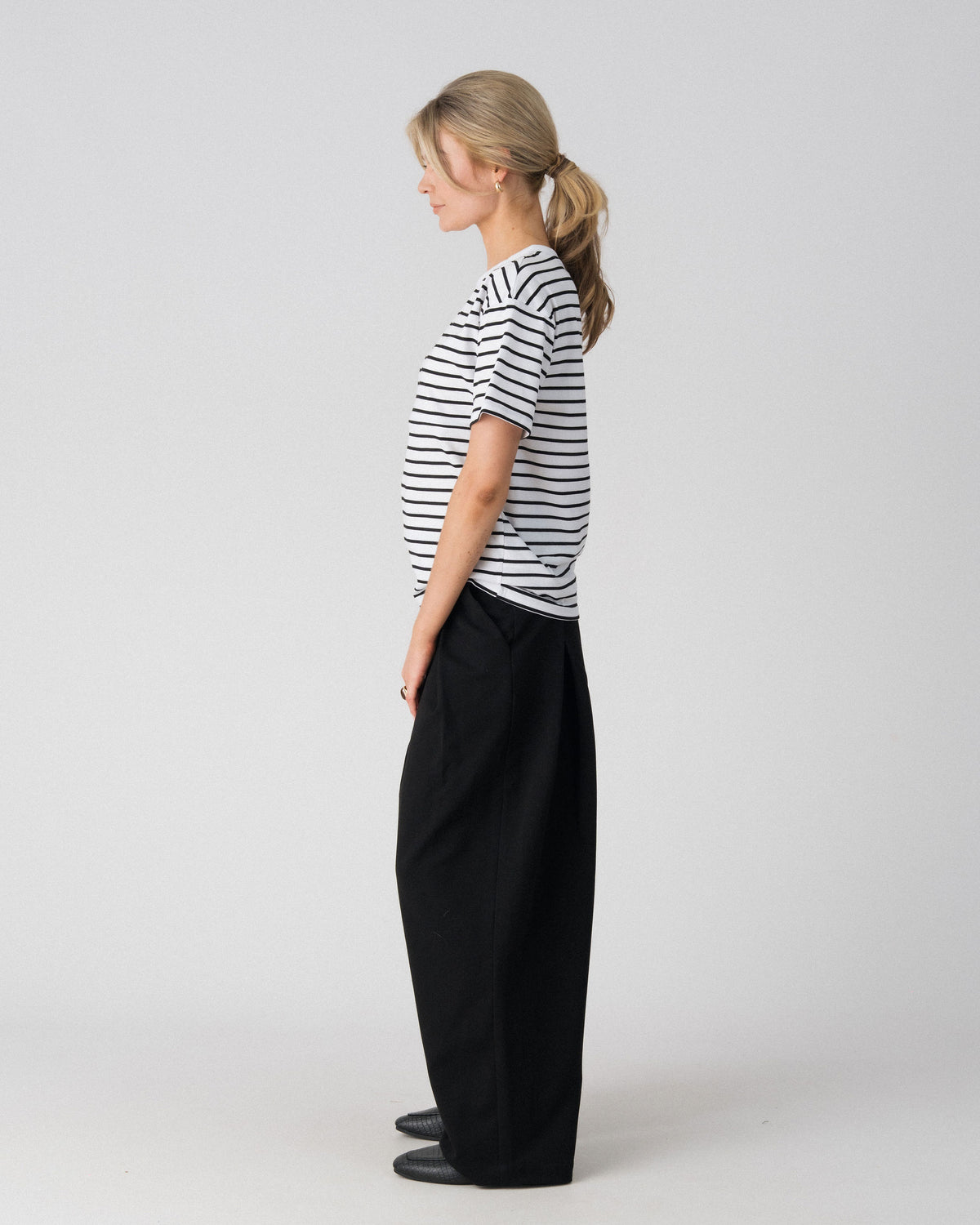
At Lenelly, our Issa Everyday Tee is designed with hidden two-way zips that blend into the stripes, making it an easy everyday base layer that doesn't look like traditional nursing wear.

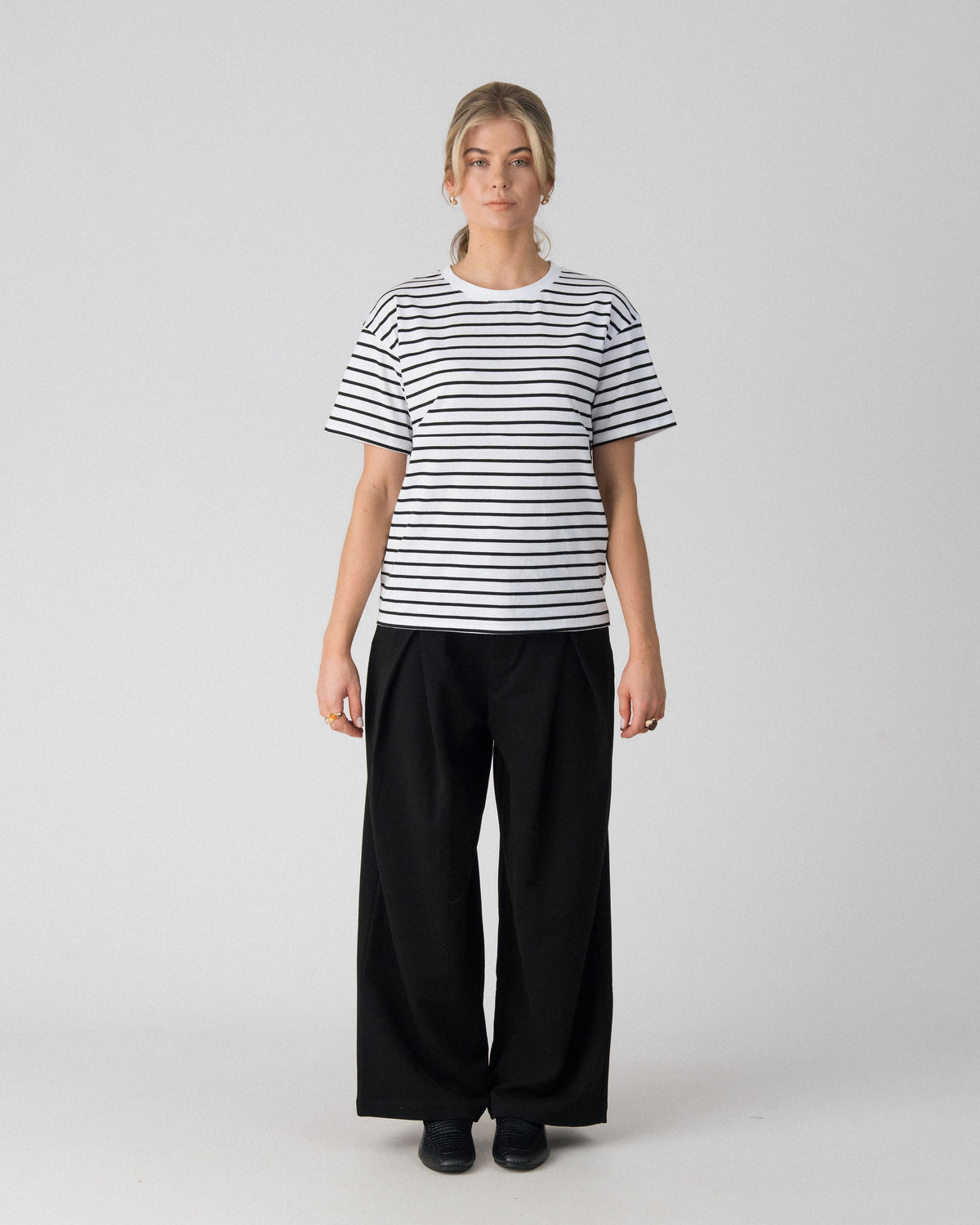
Spring styling idea: Pair a striped breastfeeding tee with relaxed jeans, linen trousers or a midi skirt. Add a lightweight jacket for cooler mornings and remove it when the sun comes out.
2. Layer strategically, not excessively
Spring layering is less about wearing more clothes and more about choosing the right combination.
For breastfeeding mums, every additional layer can potentially become another obstacle when it's time to feed.
Rather than stacking multiple tops, start with a breastfeeding-friendly base and add an outer layer that's easy to open or remove.
Some versatile spring layering options include:
-
An oversized cotton shirt worn open over a tee
-
A lightweight cardigan
-
A relaxed denim jacket
-
A soft, unstructured blazer
-
A breathable long-sleeve top for cooler days
A long-sleeve breastfeeding tee can also be useful during those in-between weeks when it's too warm for a jumper but not quite warm enough for short sleeves.
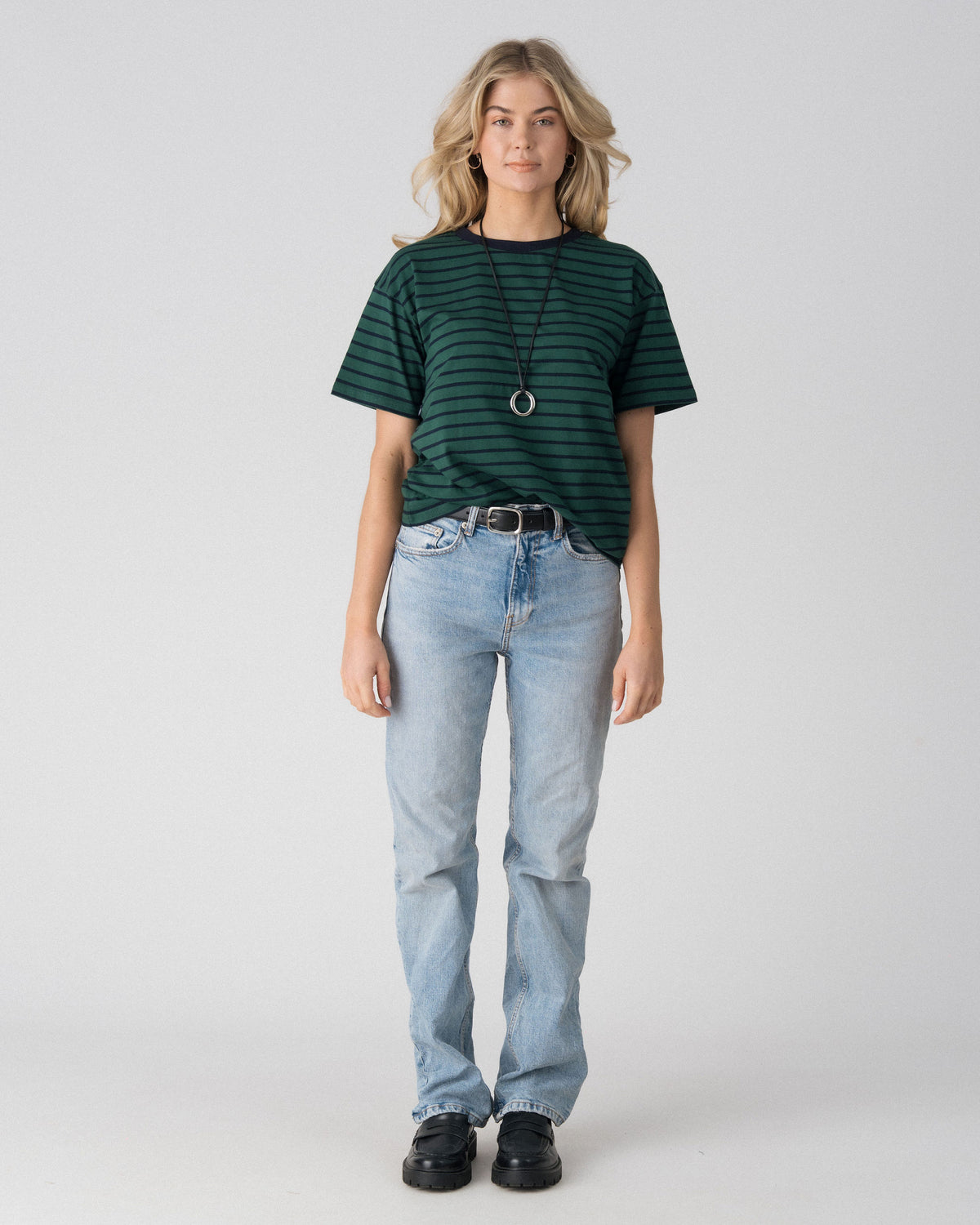
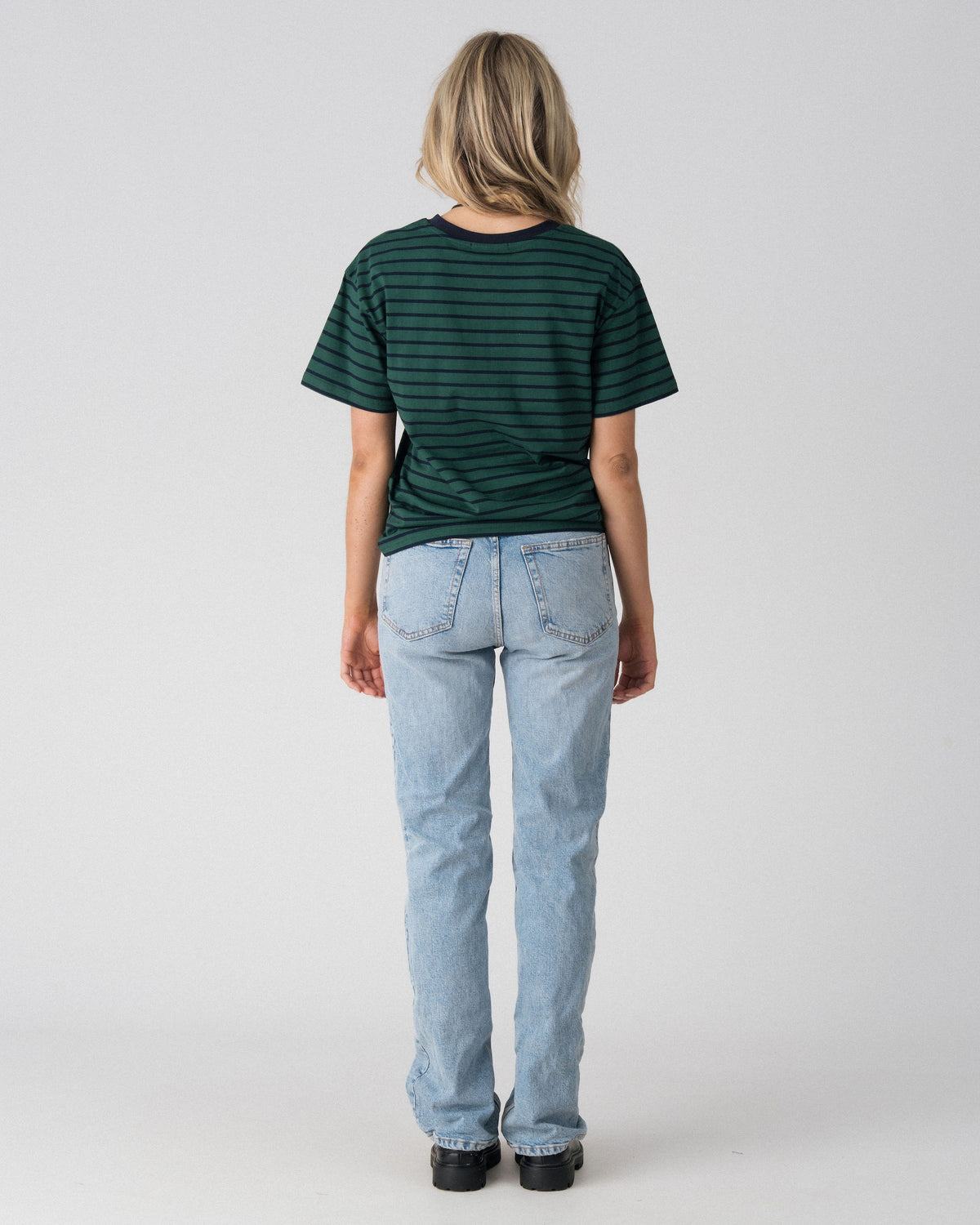
Our Lena Long Sleeve Striped Tee, for example, combines a relaxed oversized silhouette with hidden underbust zips, making it an easy piece for cooler mornings without needing to add too many layers.

The key is choosing layers that work together, rather than having to rethink your entire outfit whenever the temperature changes.
3. Choose fabrics that breathe
When you're moving between cool mornings, warm afternoons and indoor spaces, fabric composition can make a noticeable difference to your comfort.
Cotton and cotton-rich fabrics are particularly useful for spring because they're generally breathable, comfortable against the skin and easy to incorporate into everyday outfits.
A little elastane can also provide stretch, helping a garment move comfortably with your body.
For breastfeeding and postpartum dressing, consider fabrics that are:
-
Breathable: Comfortable as temperatures change throughout the day
-
Soft: Pleasant against sensitive skin
-
Easy to wash: Practical for milk spills, baby dribbles and everyday mess
-
Comfortable to move in: Whether you're carrying a baby, pushing a pram or sitting down to feed
It's worth checking the fabric composition rather than relying on how a garment looks in a photograph.
And remember, there's no single perfect fabric for every mum. A crisp cotton poplin dress, a soft cotton jersey tee and a lightweight double-gauze dress can all serve different purposes in a spring wardrobe.
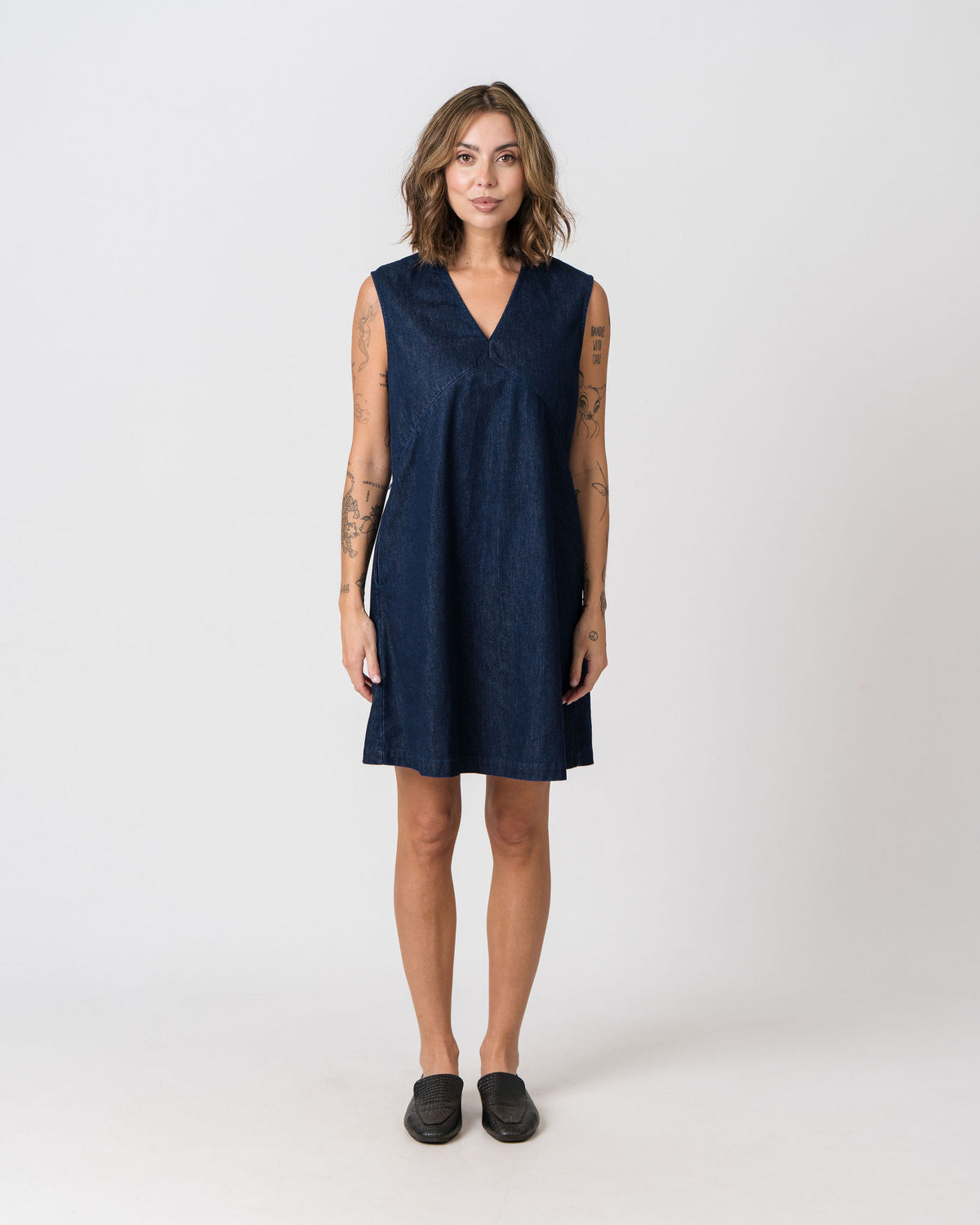
4. Don't overlook the breastfeeding-friendly dress
Spring is when dresses start making their way back into regular rotation.
They're an easy outfit in themselves, particularly on mornings when you don't have much time to think about what to wear.
But not every dress is practical for breastfeeding.
A dress without suitable feeding access may need to be pulled up from the hem or removed from the shoulders, which isn't particularly convenient when you're out with your baby.
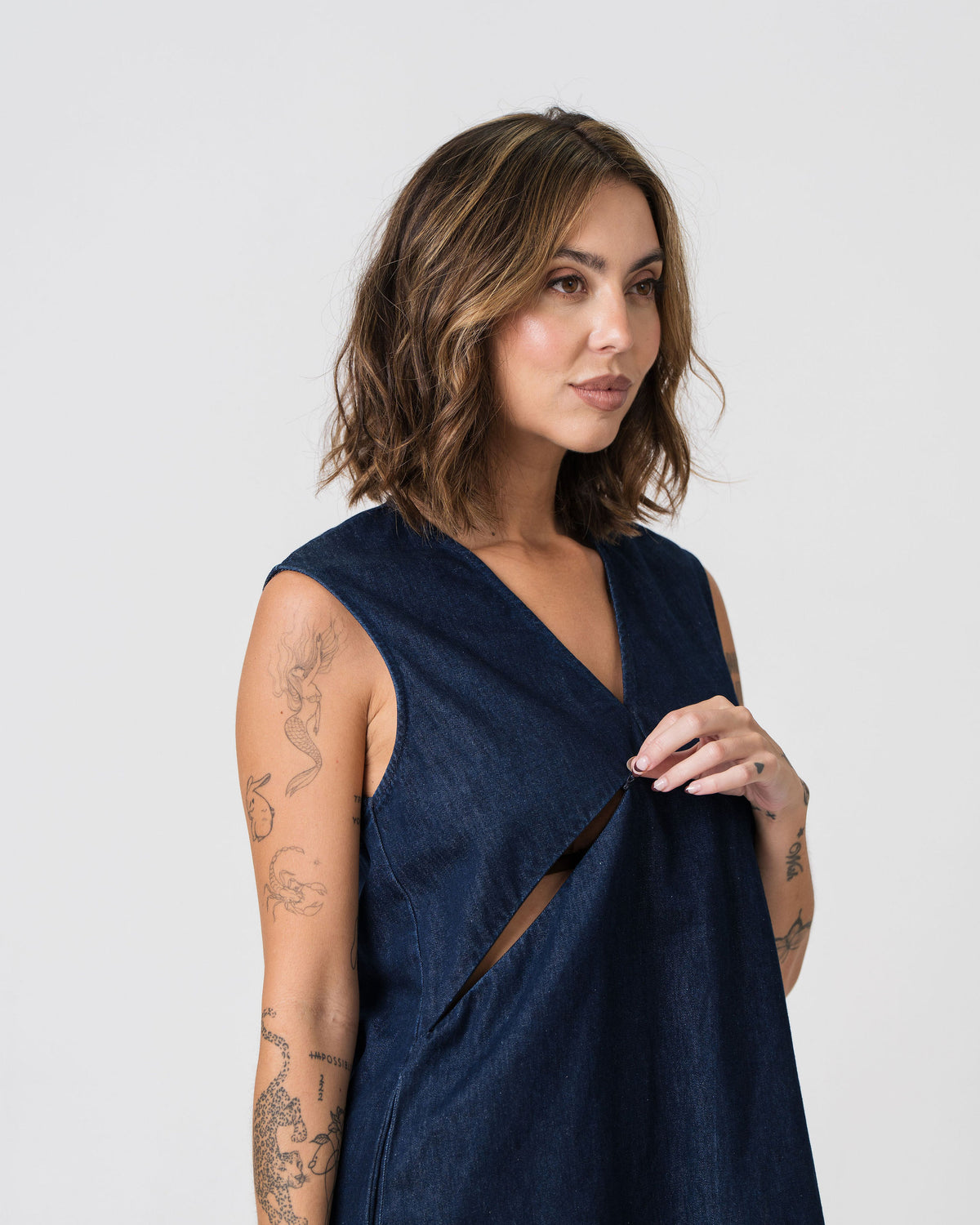
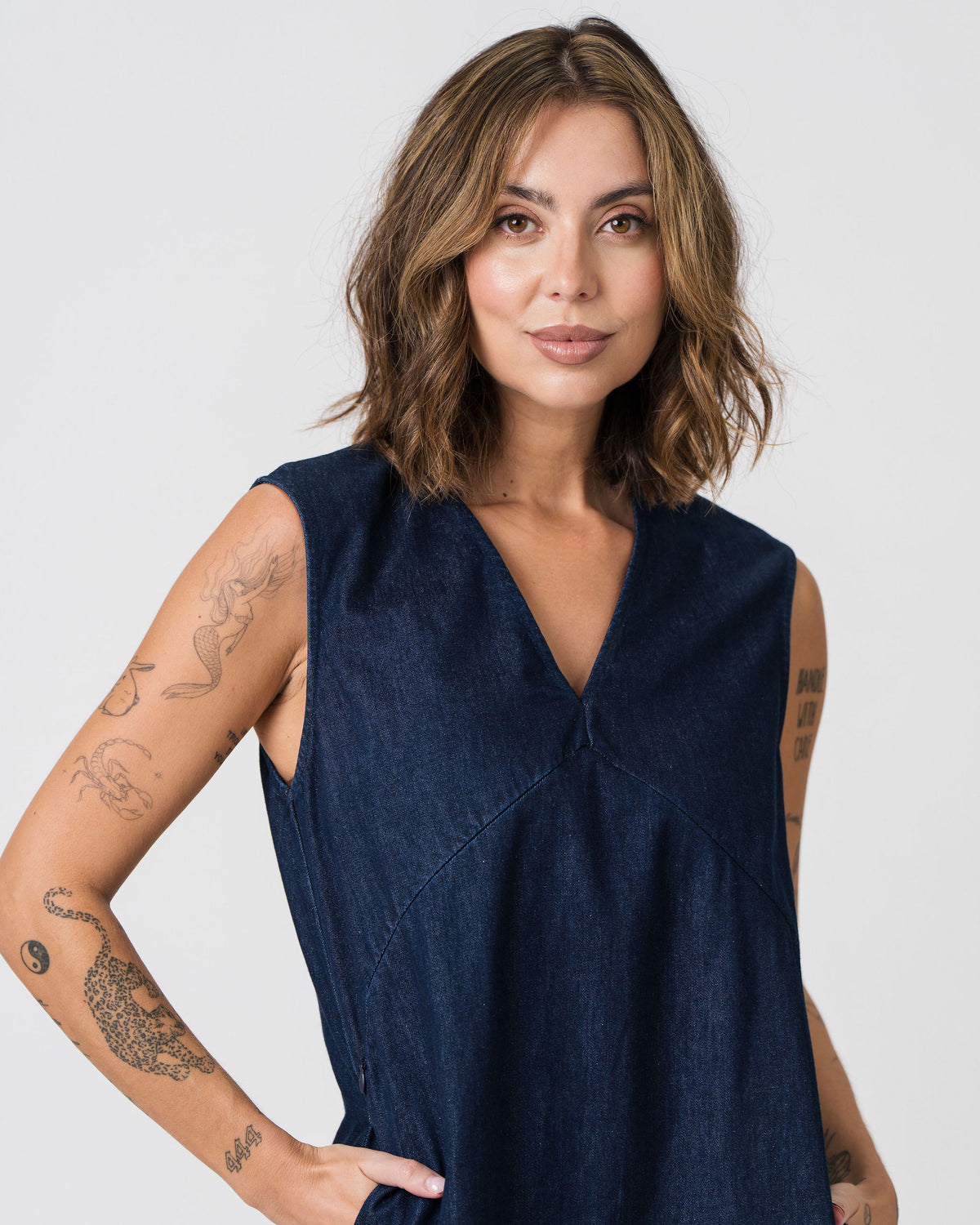
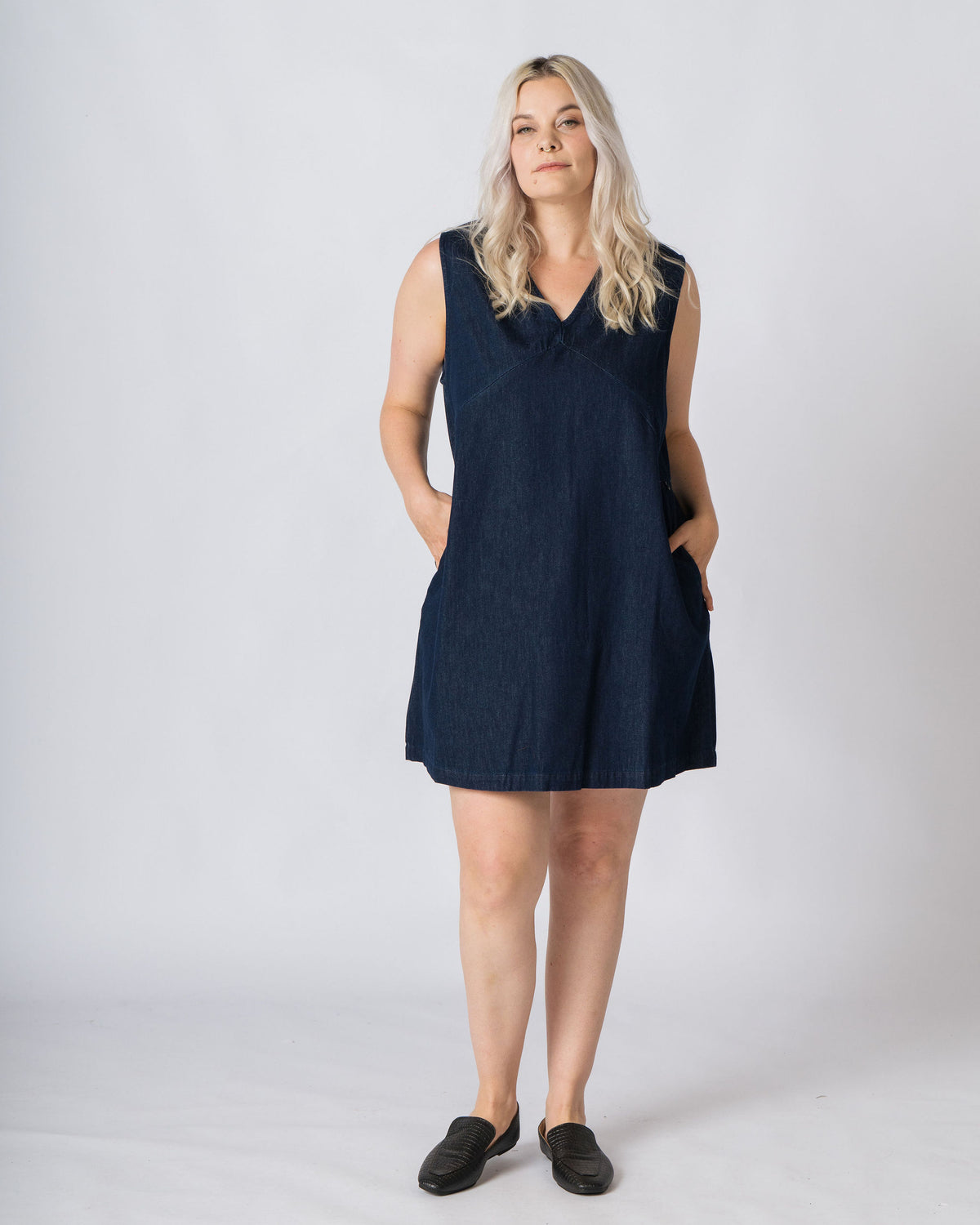
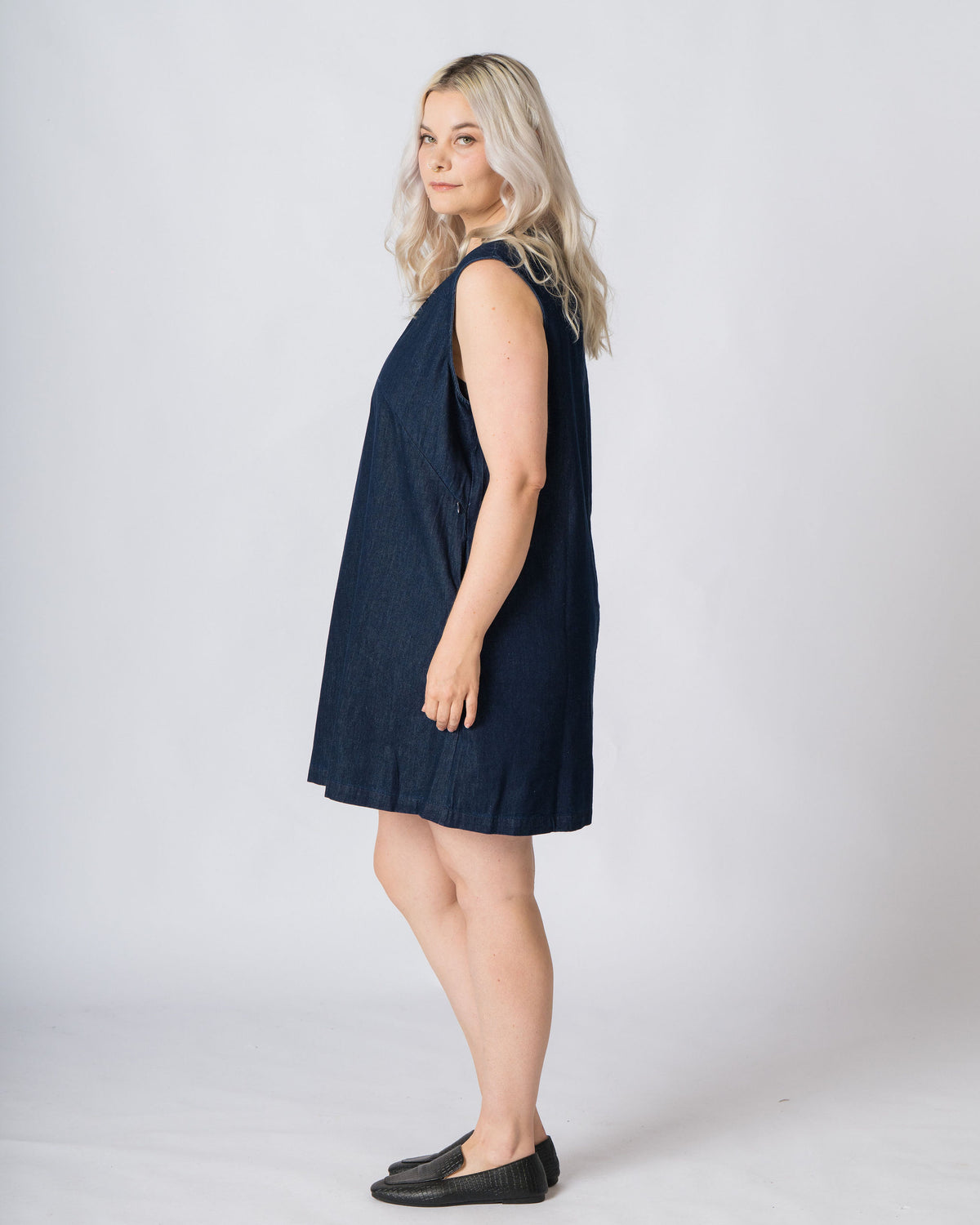
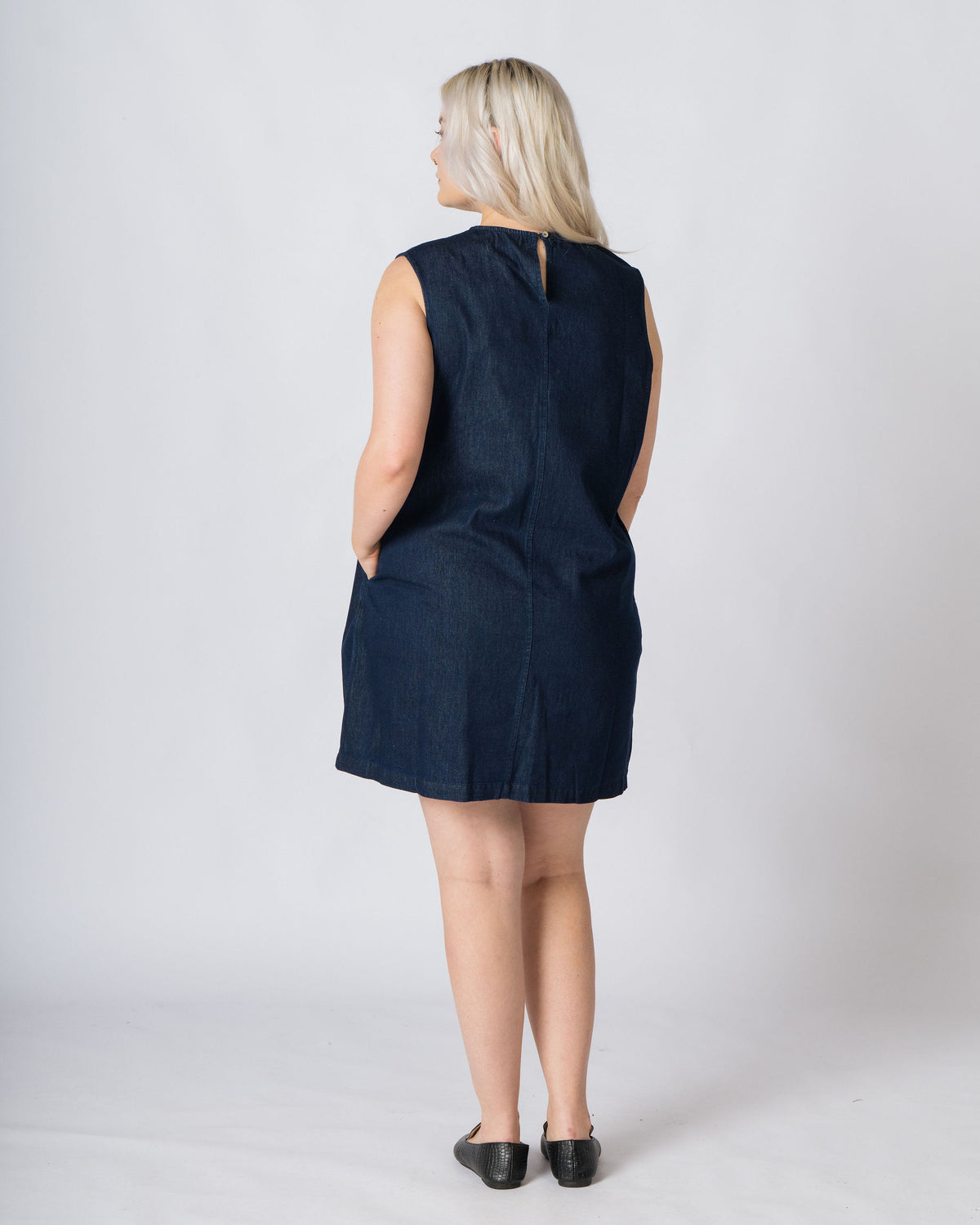
Instead, look for dresses with thoughtful features such as hidden underbust zips, diagonal neckline openings, functional buttons or wrap fronts.
Consider the fit through the bust, how much coverage you prefer while feeding and whether the opening is comfortable to use while holding your baby.
Relaxed A-line, babydoll and smock silhouettes can also offer room to move and adapt with your body through pregnancy and postpartum, without looking overtly maternity.

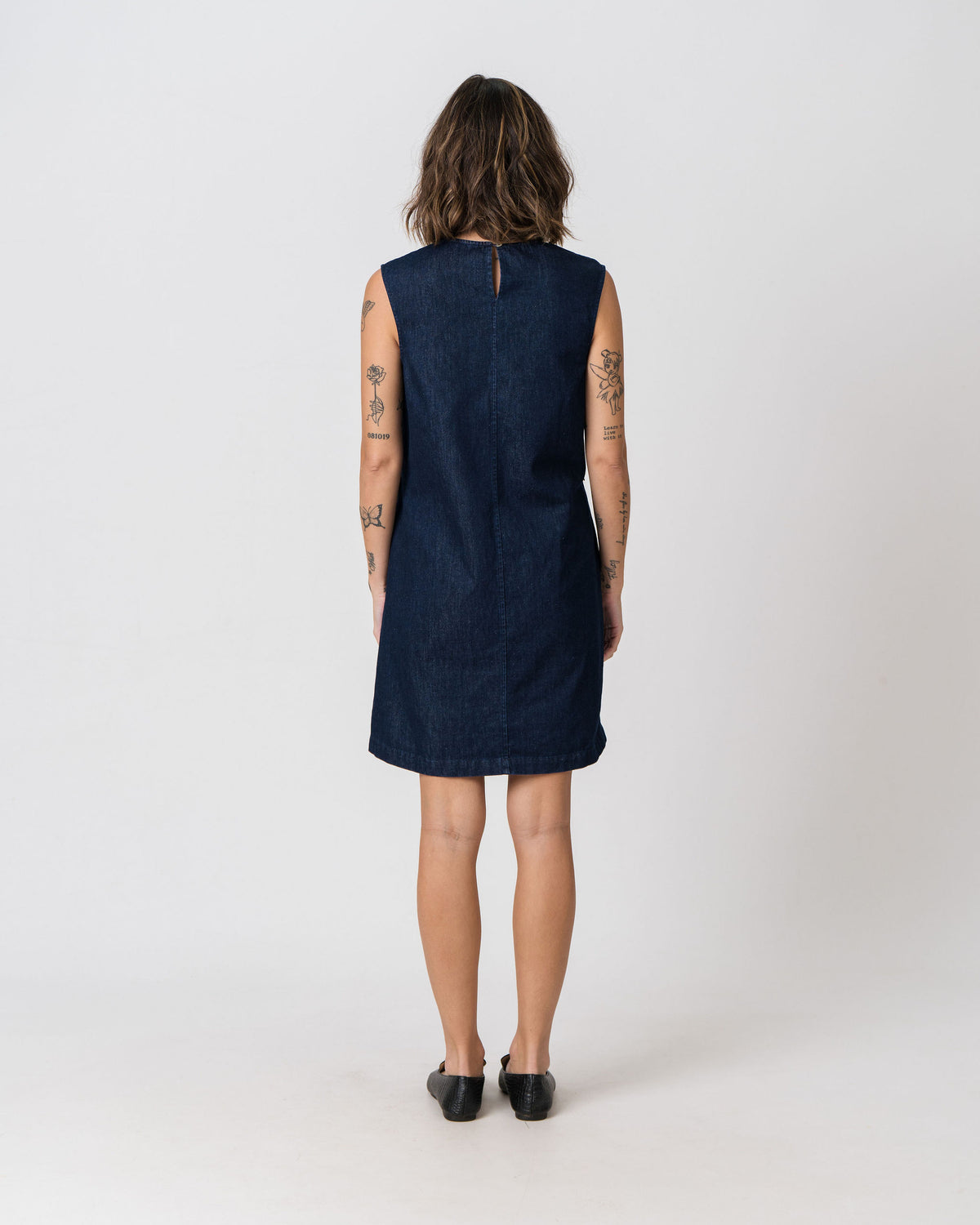
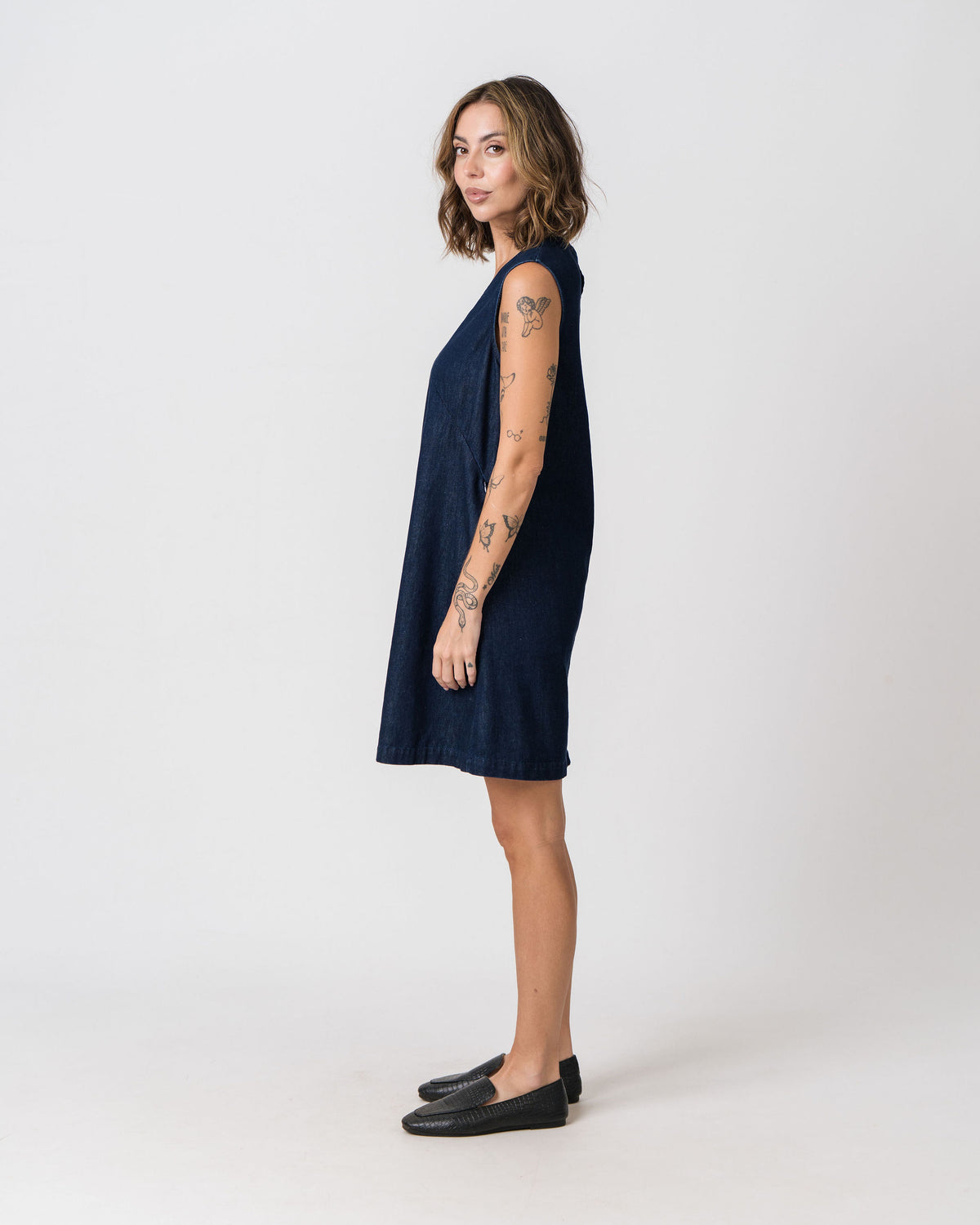
Our Florence Smock Dress, made from cotton double gauze with discreet breastfeeding access, is an example of a style designed with warmer days in mind.
For a deeper look at what matters, read our guide to What Makes a Dress Breastfeeding-Friendly?
Spring styling idea: Wear a cotton dress with sandals or flats on warmer days, then add a denim jacket or lightweight knit when the temperature drops.
5. Think about how you'll actually wear the outfit
An outfit might look great in the mirror, but breastfeeding-friendly dressing is also about what happens once you leave the house.
Perhaps you're heading to a café, walking to the park, attending a baby class or spending the afternoon running errands.
Think about the practical details:
Can you breastfeed comfortably while seated? Some openings are easier to use than others, especially when you're holding a hungry baby.
Do you need to hold fabric out of the way? Certain nursing designs have additional panels or layers that may need adjusting during a feed.
Will you feel comfortable with the amount of skin exposed? Everyone has different preferences when it comes to coverage, and neither more nor less coverage is inherently better.
Is the outfit easy to care for? When you're juggling everything that comes with motherhood, complicated washing instructions might be the last thing you need.
The best breastfeeding-friendly outfit isn't necessarily the one with the most features. It's the one that works comfortably for you.
If you're unsure which opening suits your feeding preferences, we've also put together a guide to the different types of breastfeeding access, from hidden zips and extended button plackets to wrap fronts and stretch necklines.
6. Build around pieces you already own
One of the biggest misconceptions about breastfeeding clothing is that you need an entirely separate wardrobe.
In reality, you probably already own plenty of pieces that can work throughout your breastfeeding journey.
Your favourite jeans, relaxed trousers, skirts, jackets and cardigans don't suddenly become irrelevant because you're feeding a baby.
Often, the missing piece is simply a top or dress that gives you comfortable breastfeeding access.
Try building a small spring rotation around:
-
Two or three comfortable everyday tees, including breastfeeding-friendly options
-
A long-sleeve top for cooler days
-
A lightweight outer layer
-
A versatile dress
-
Your existing favourite bottoms
-
Comfortable shoes that suit your daily routine
You don't need to buy everything on this list. Start with what you already wear regularly, identify what makes feeding difficult and fill those gaps thoughtfully.
A few well-chosen pieces can make your existing wardrobe much more practical.
7. Choose clothes you'll want to keep wearing
Breastfeeding is a chapter of motherhood, but your personal style doesn't need to be limited to that chapter.
When choosing new clothes, ask yourself whether you'd still want to wear the piece if you weren't breastfeeding.
Does it work with your existing wardrobe? Do you like the silhouette, colour and fabric? Does it feel like something you'd naturally reach for?
Discreet breastfeeding access can be particularly useful here. When zips are hidden within seams or stripes, the garment doesn't need to look or feel different once you no longer need the feeding function.
That's something we think about constantly at Lenelly: creating clothing that serves a practical purpose without letting that purpose define the way it looks.
Because while your wardrobe may need to work a little harder during motherhood, it should still reflect who you are.

A spring wardrobe that works with you
Building a breastfeeding-friendly spring wardrobe isn't about buying more clothes or following a completely new set of fashion rules.
It's about choosing breathable fabrics, versatile layers and thoughtful feeding access that make everyday dressing a little easier.
Start with the pieces you love, make room for the functionality you need and don't feel pressured to sacrifice your personal style.
After all, the best wardrobe is one that works for the life you're living right now — and still feels like yours.
Explore Lenelly's breastfeeding-friendly clothing, thoughtfully designed with discreet nursing access, comfortable fabrics and everyday silhouettes you'll want to wear long after your last feed.