If you’re shopping for breastfeeding-friendly clothing for the first time, you’ll quickly realise that nursing access can vary significantly between garments.
Some styles unzip, some button down, some wrap and others simply stretch. While each is designed to make feeding easier, the experience can be very different.
The best type of breastfeeding access depends on what makes you feel comfortable, including how much skin you want exposed, whether you prefer one-handed access, how discreet you want the garment to look and whether you’ll wear it after breastfeeding.
Here are the most common types of breastfeeding access and their pros and cons.
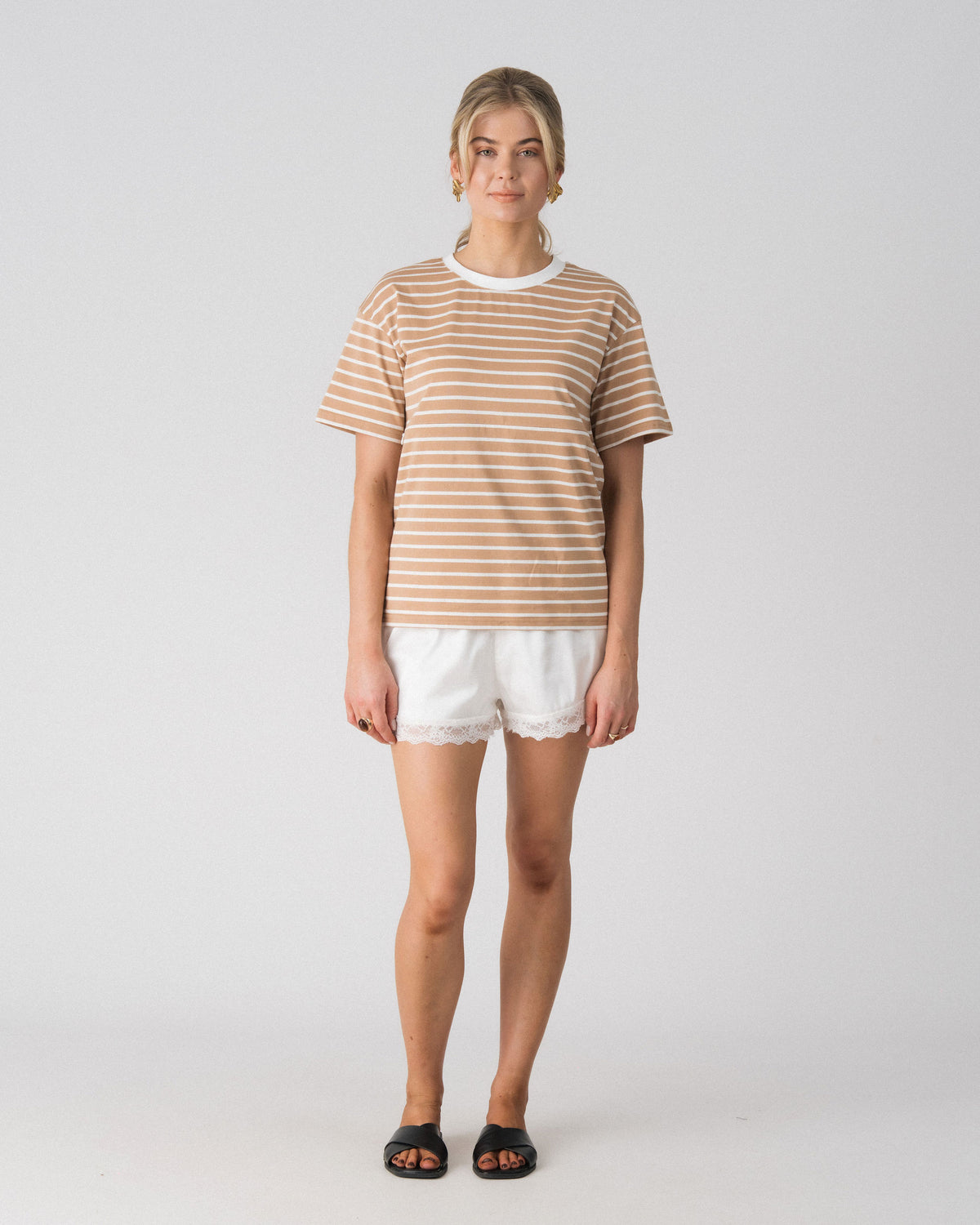
1. Horizontal Underbust Zips
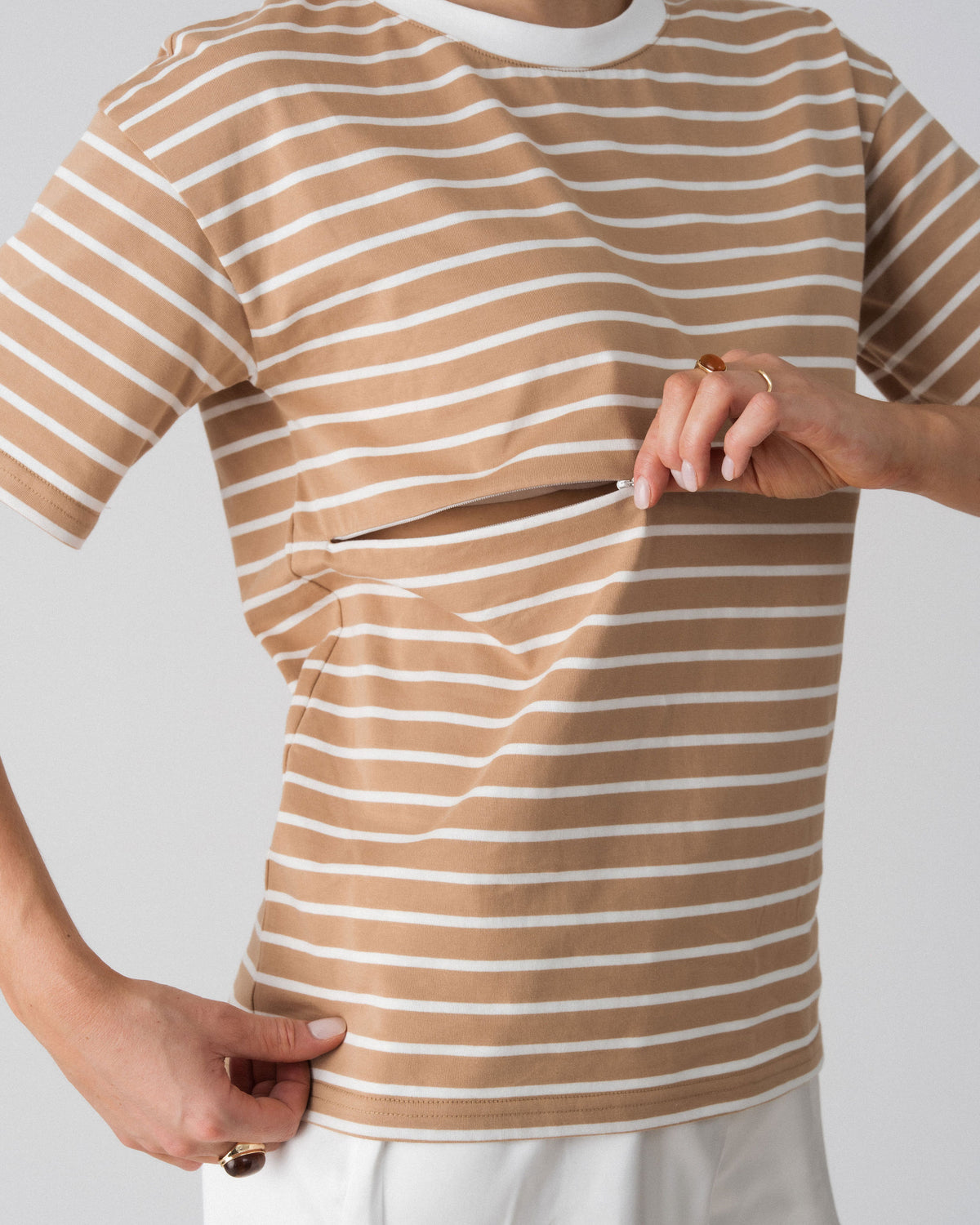
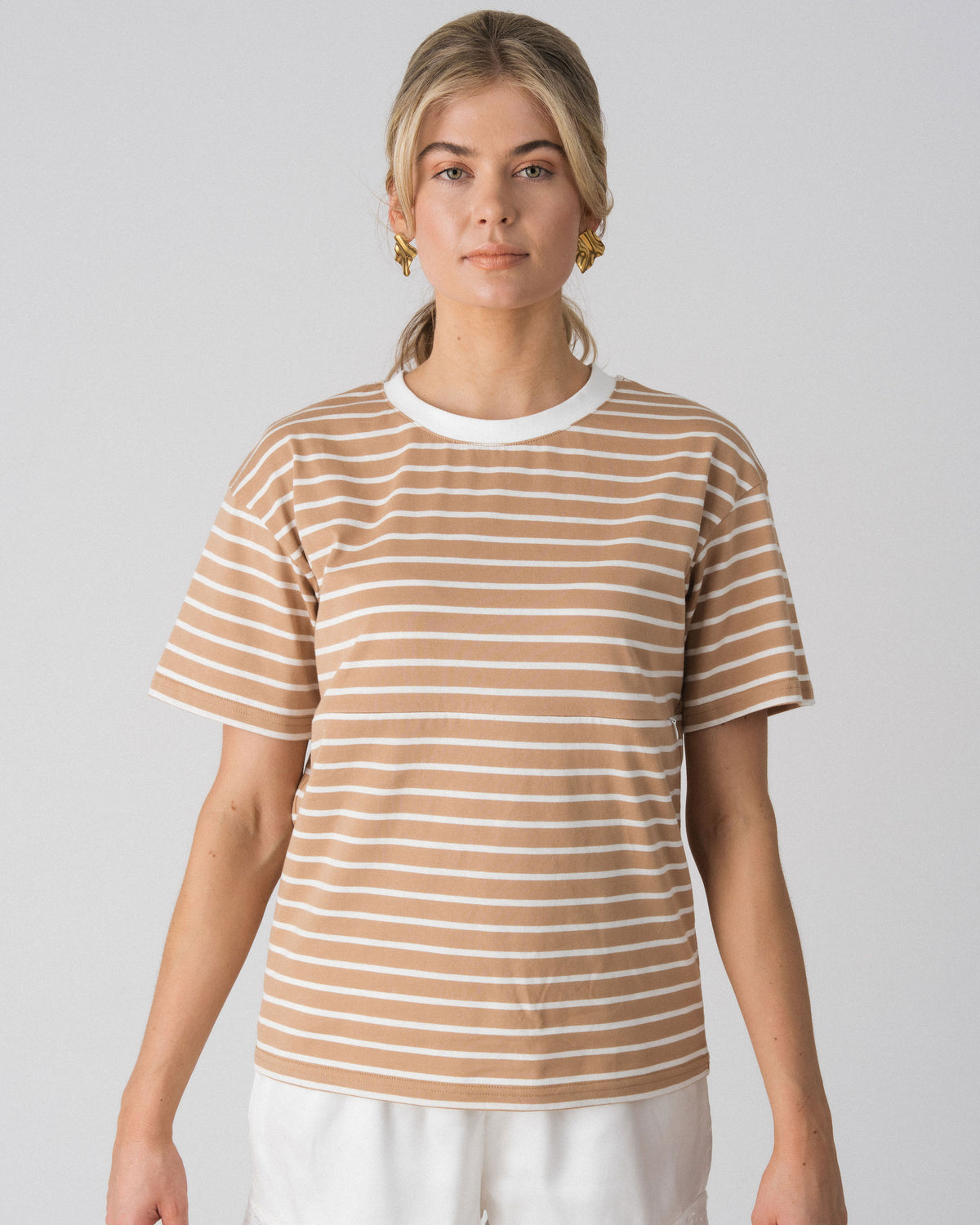
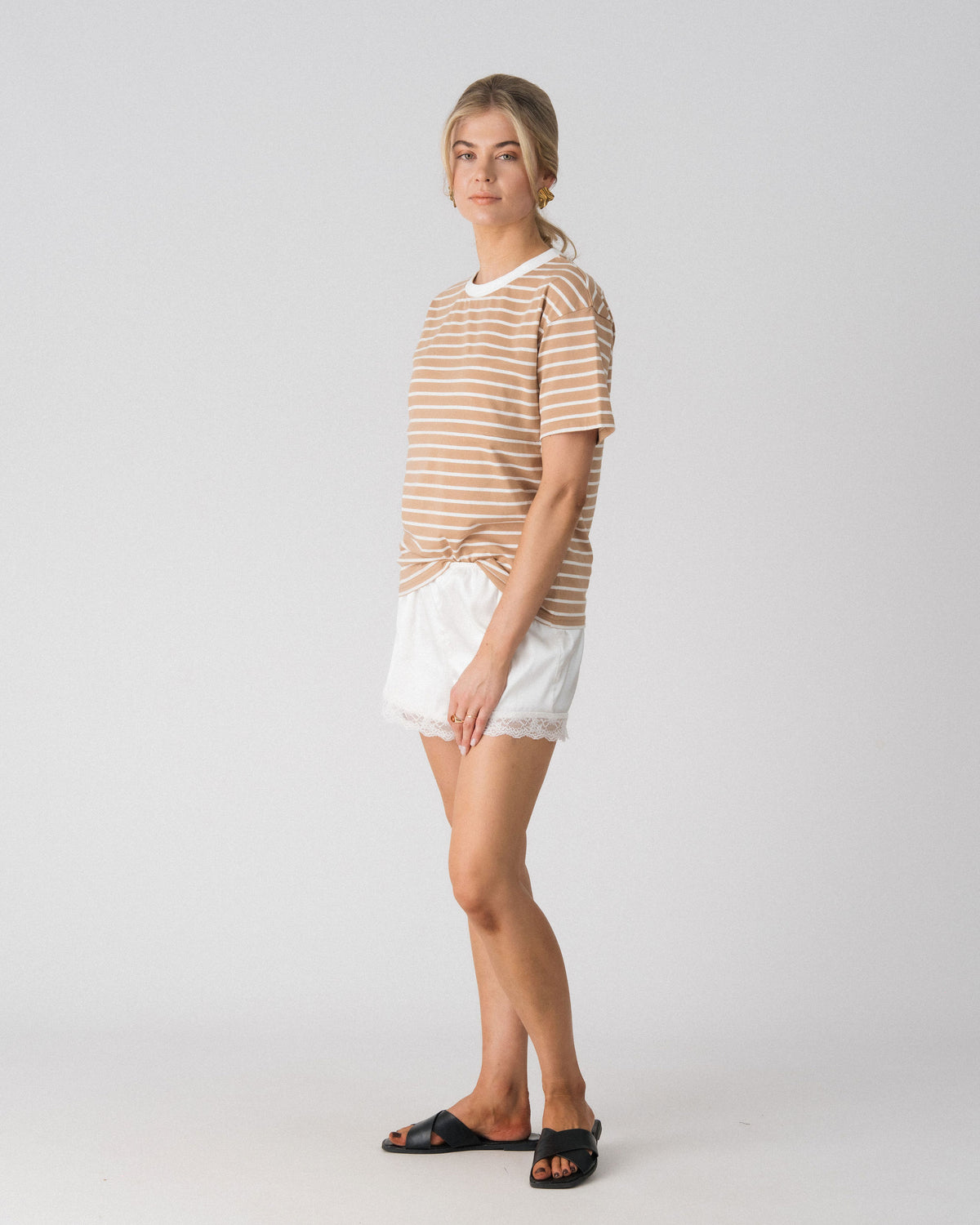
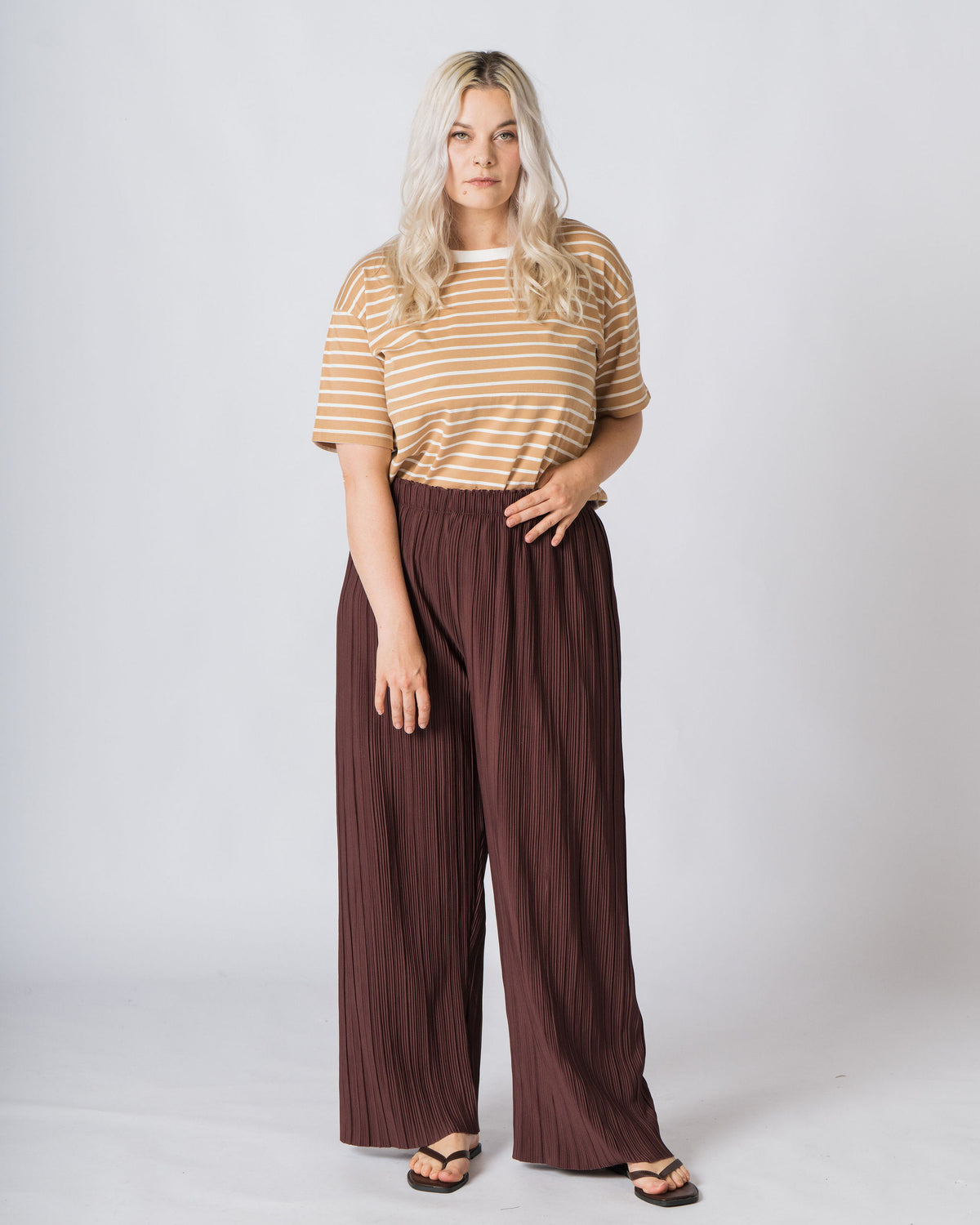
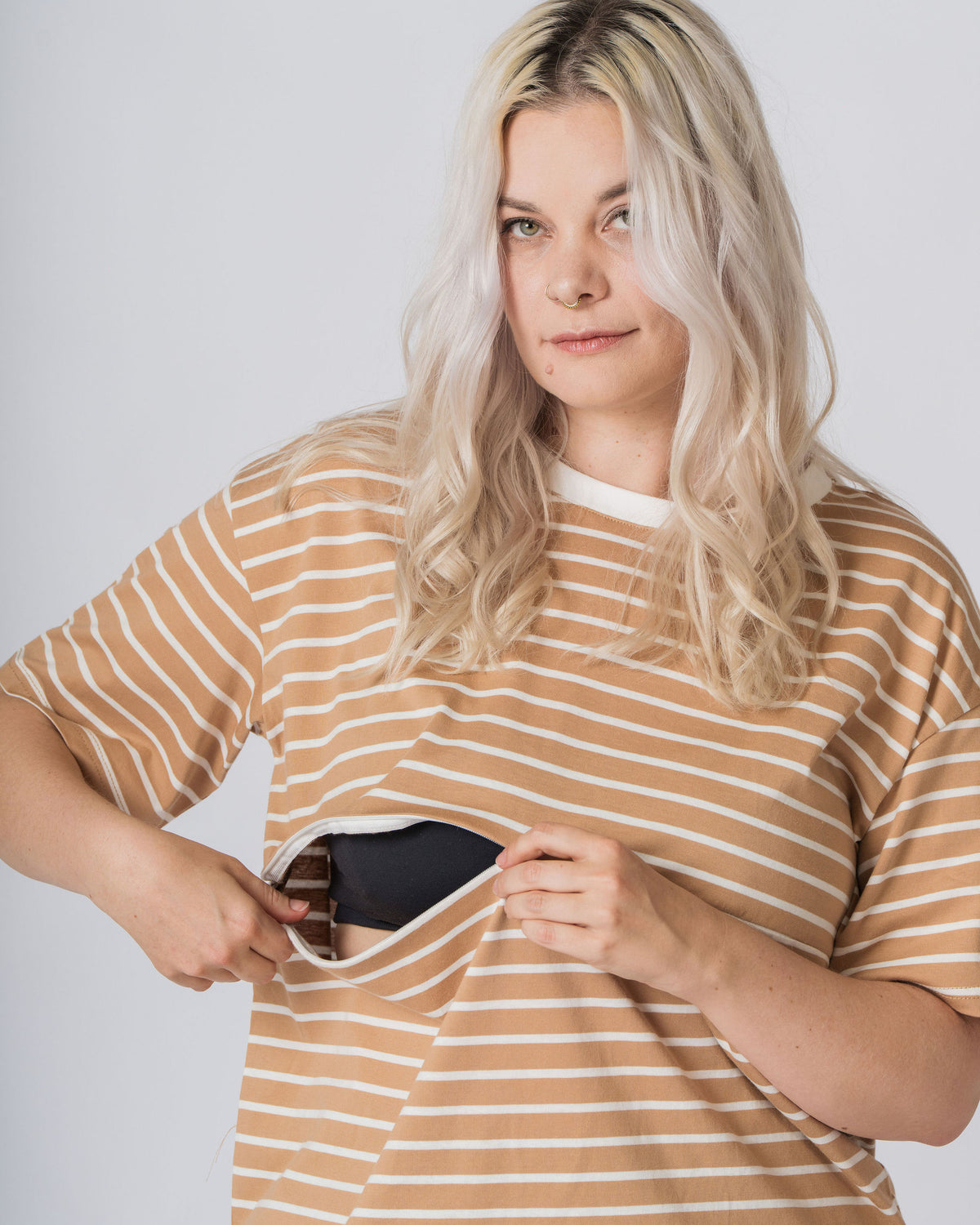
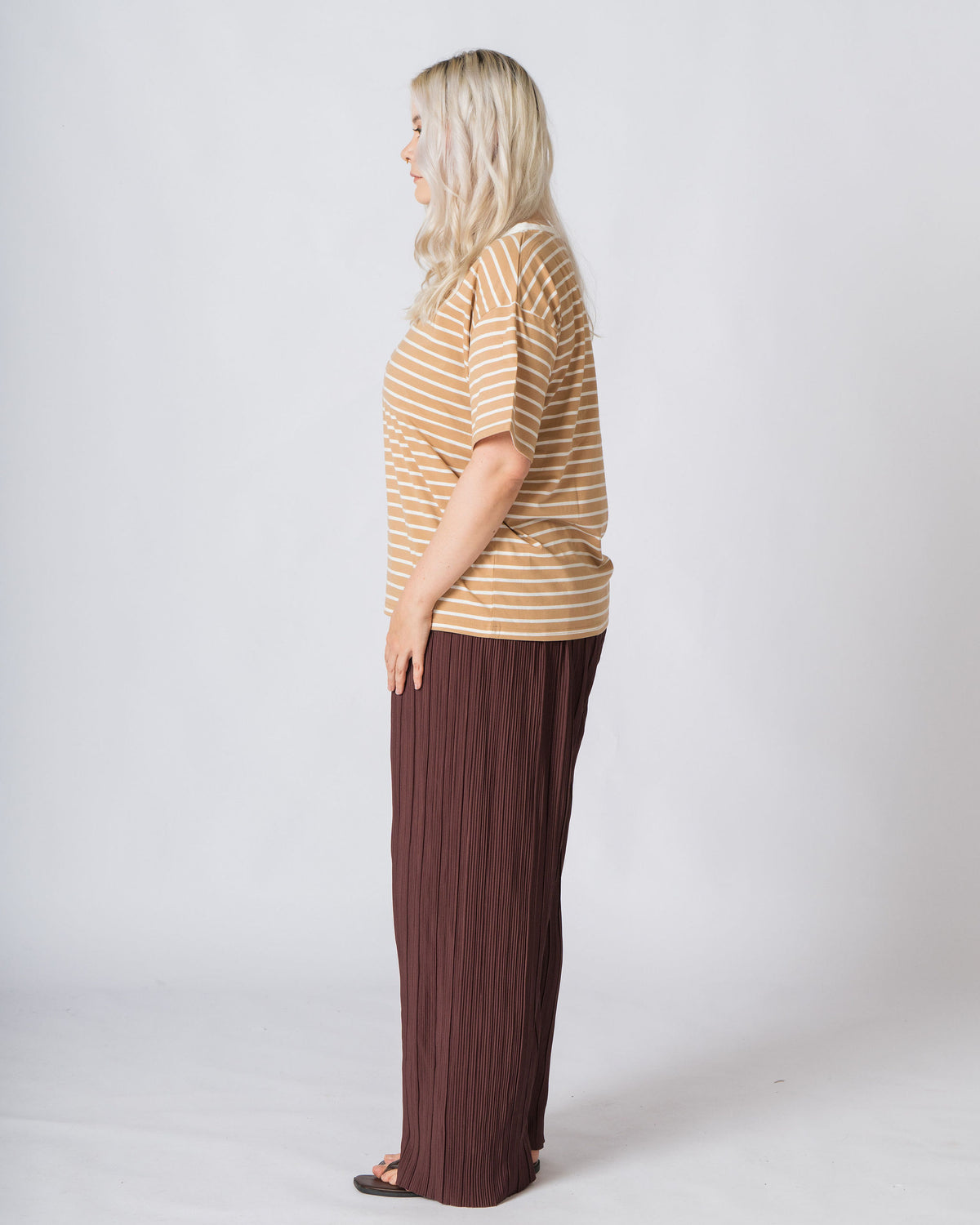
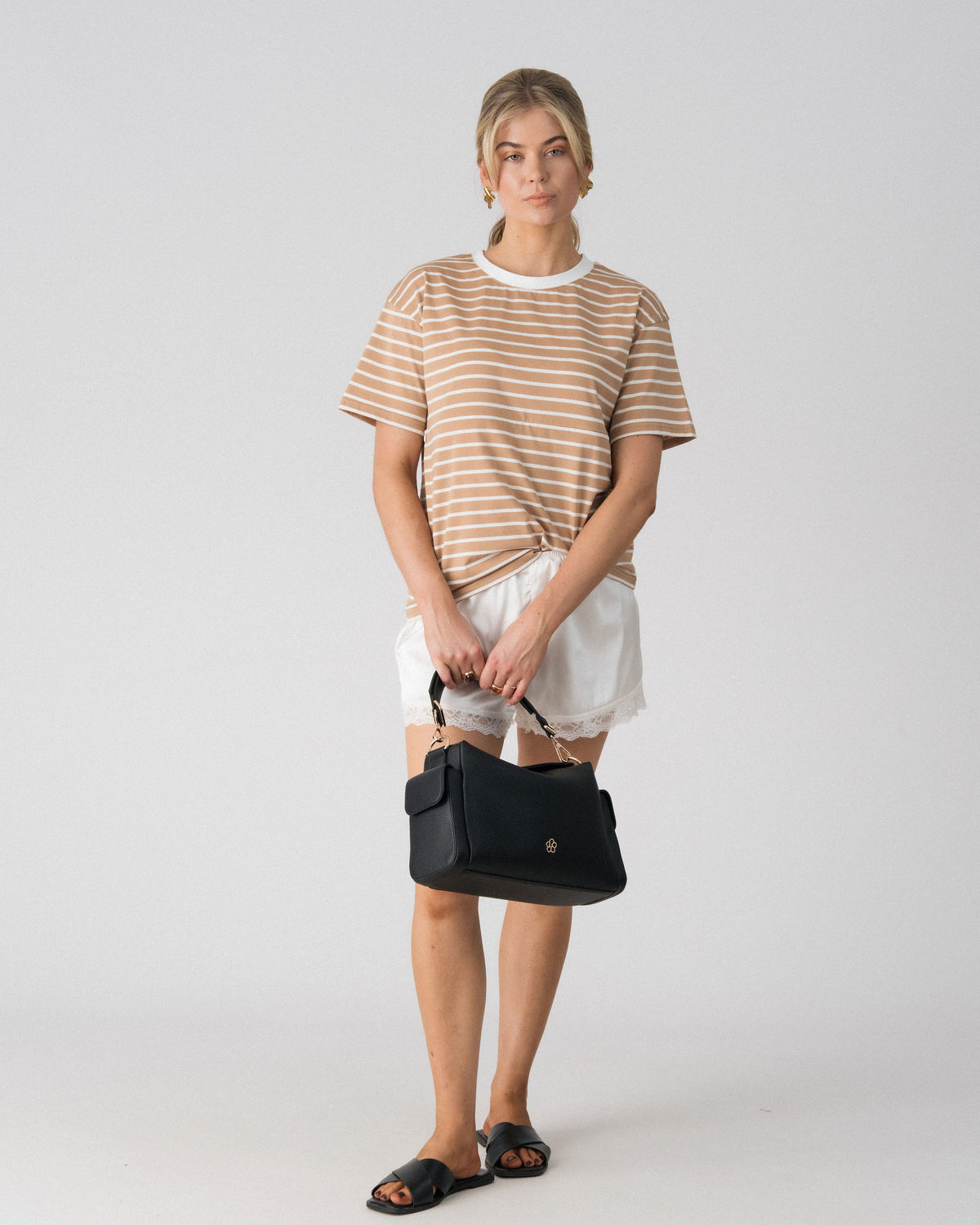
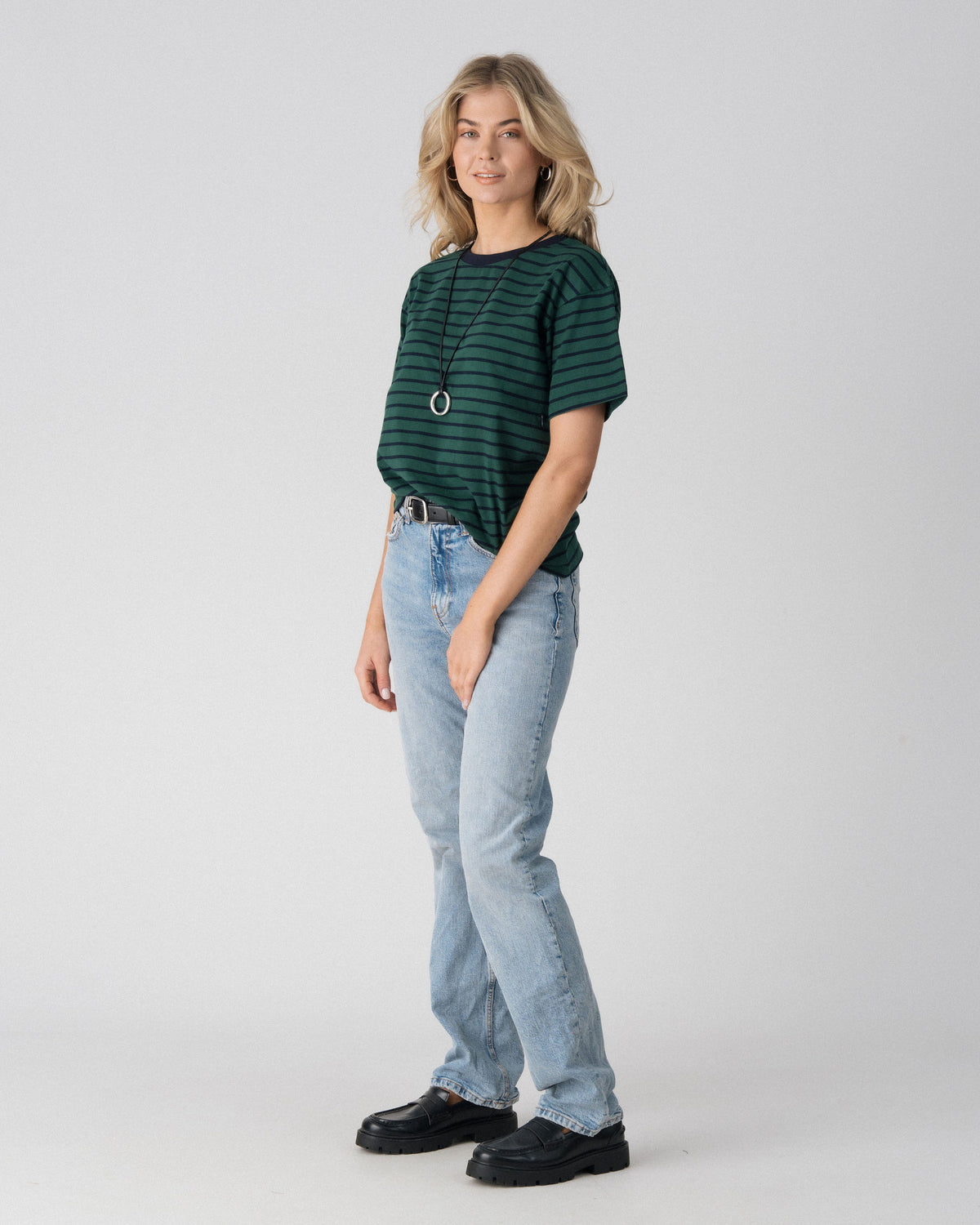
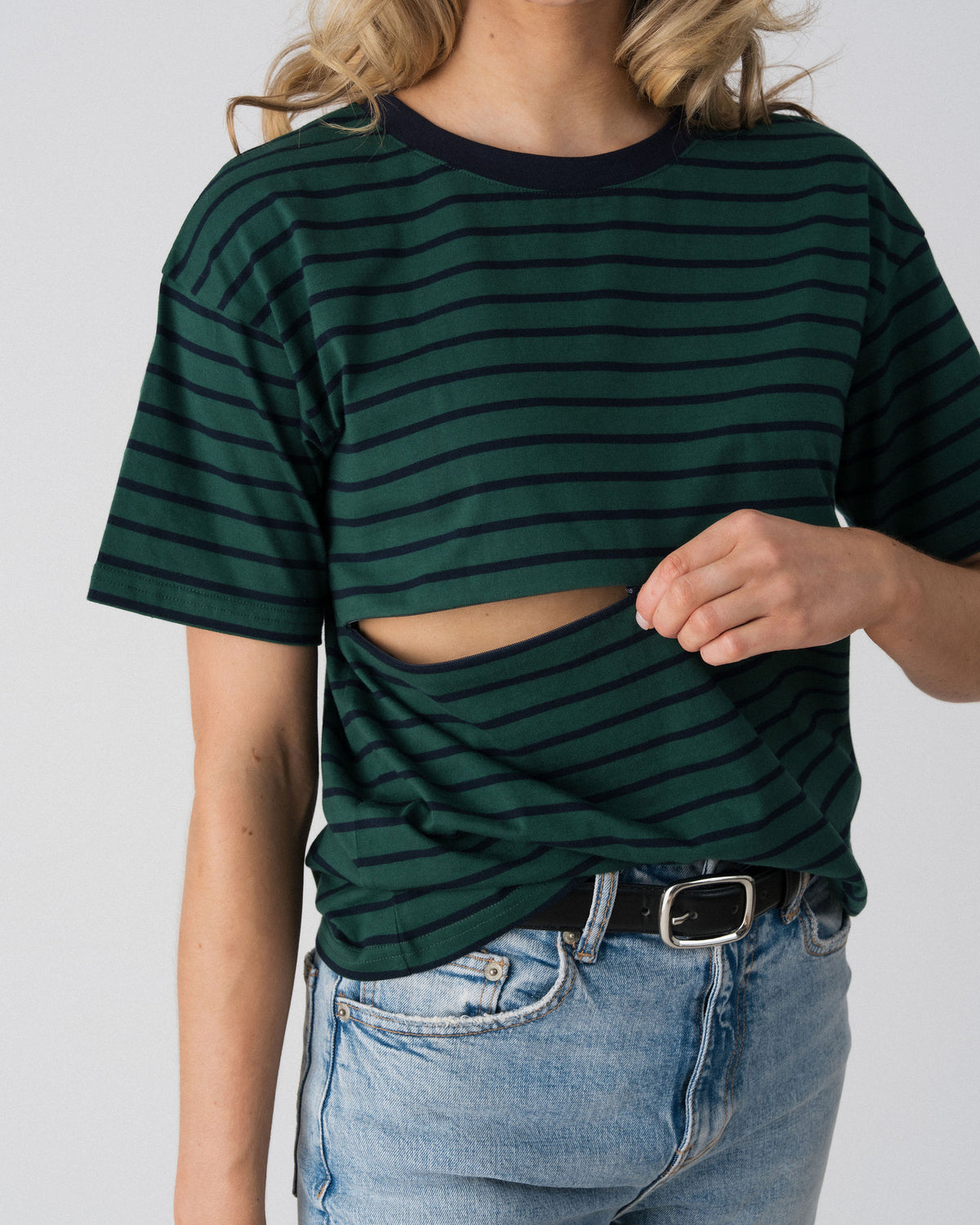
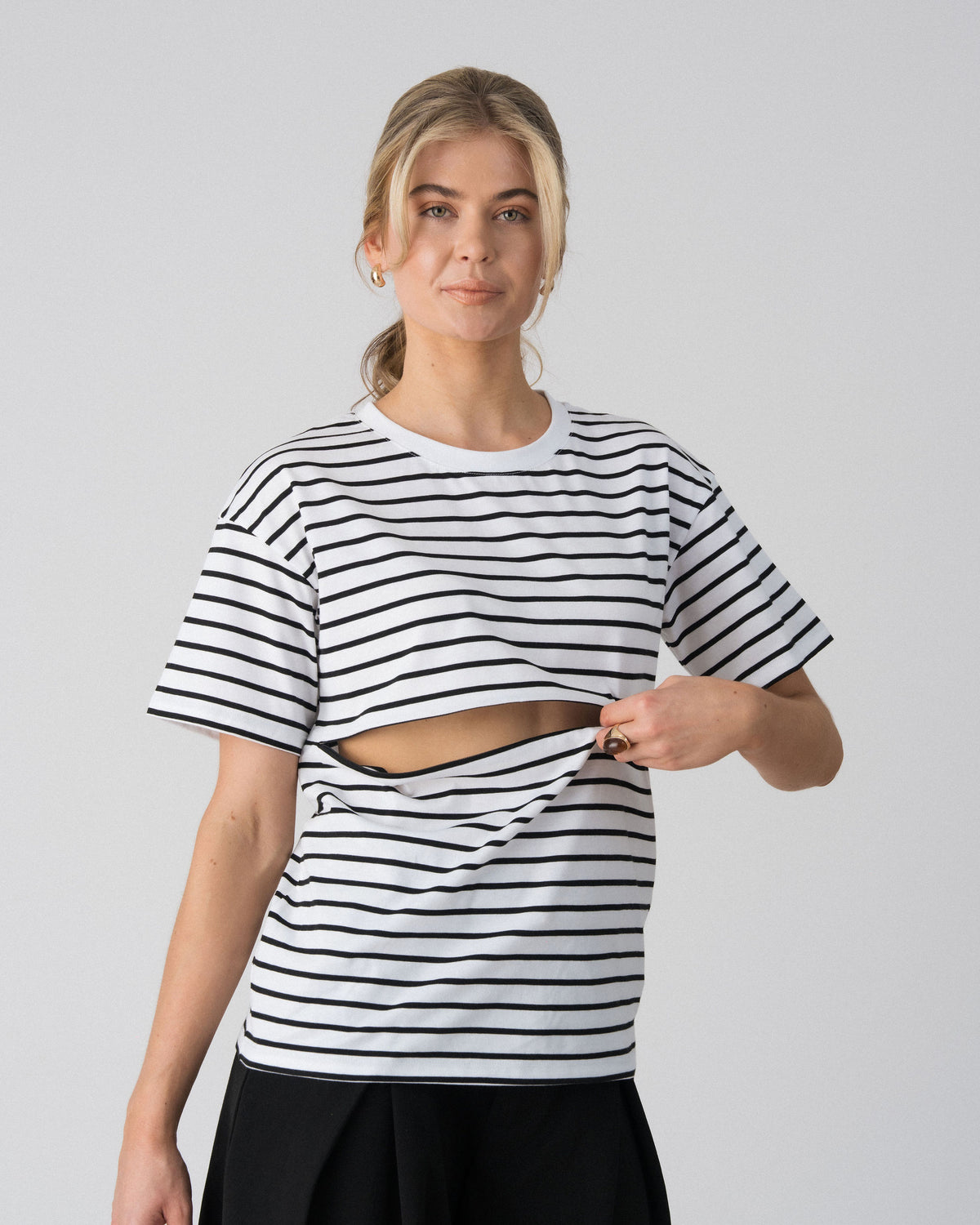
Horizontal zips sit beneath the bust and can be hidden within a seam, stripe or design line.
This style offers excellent discretion. The fabric above the zip stays in place while you feed, acting almost like a built-in breastfeeding cover. You can unzip only as much as needed rather than exposing your entire chest.

With a two-way zip, you can access either breast from the same opening, making this practical for feeding on the go.
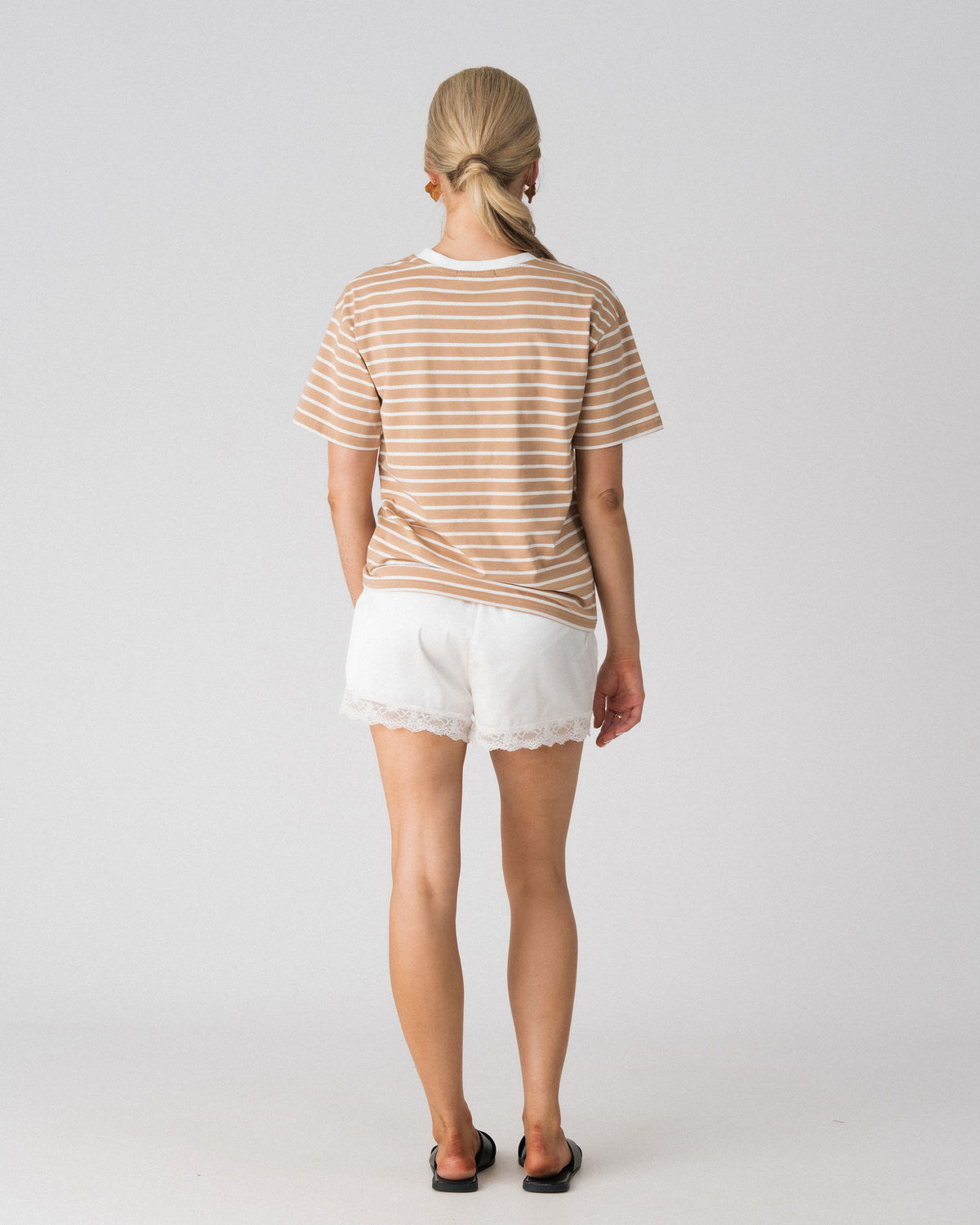
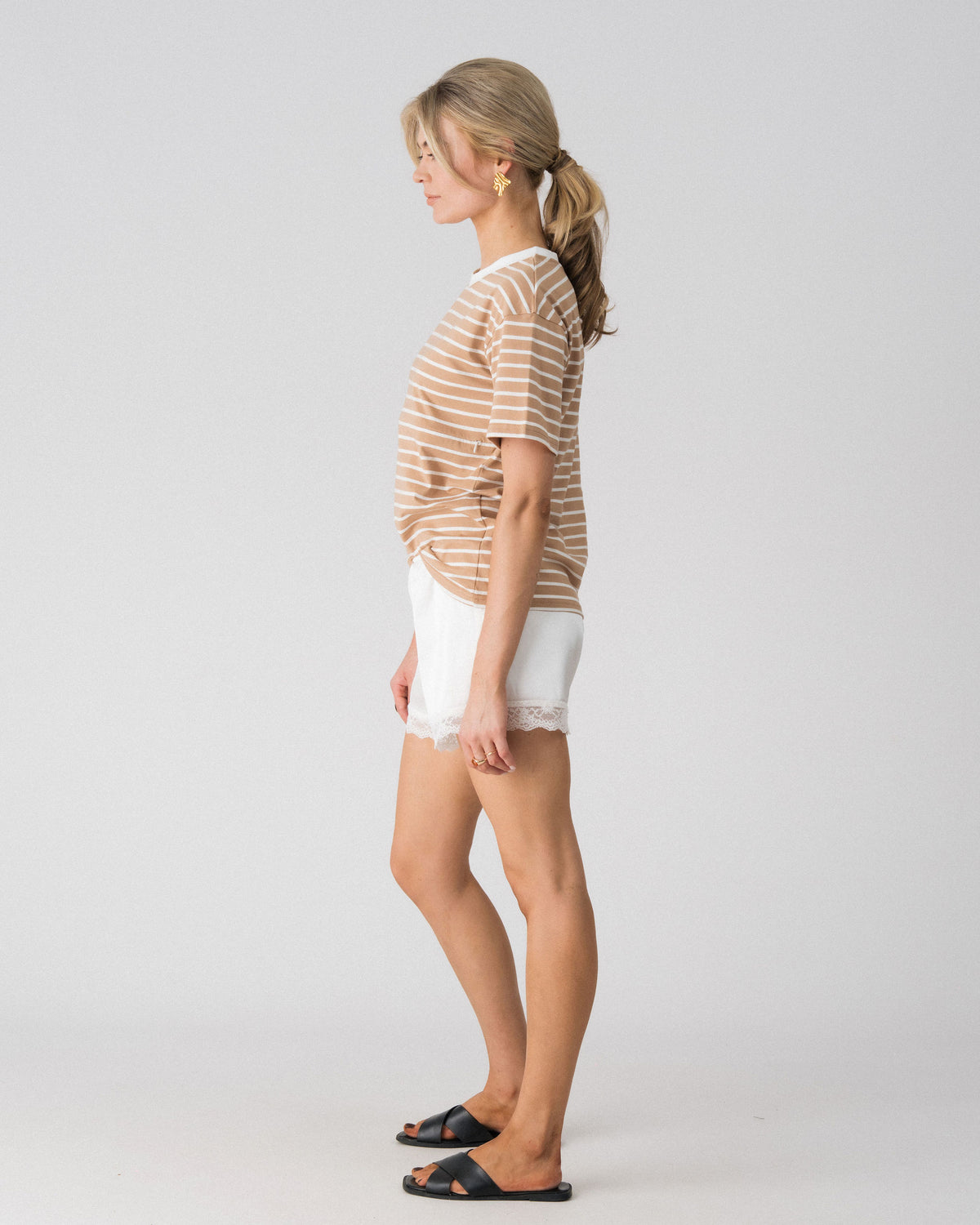
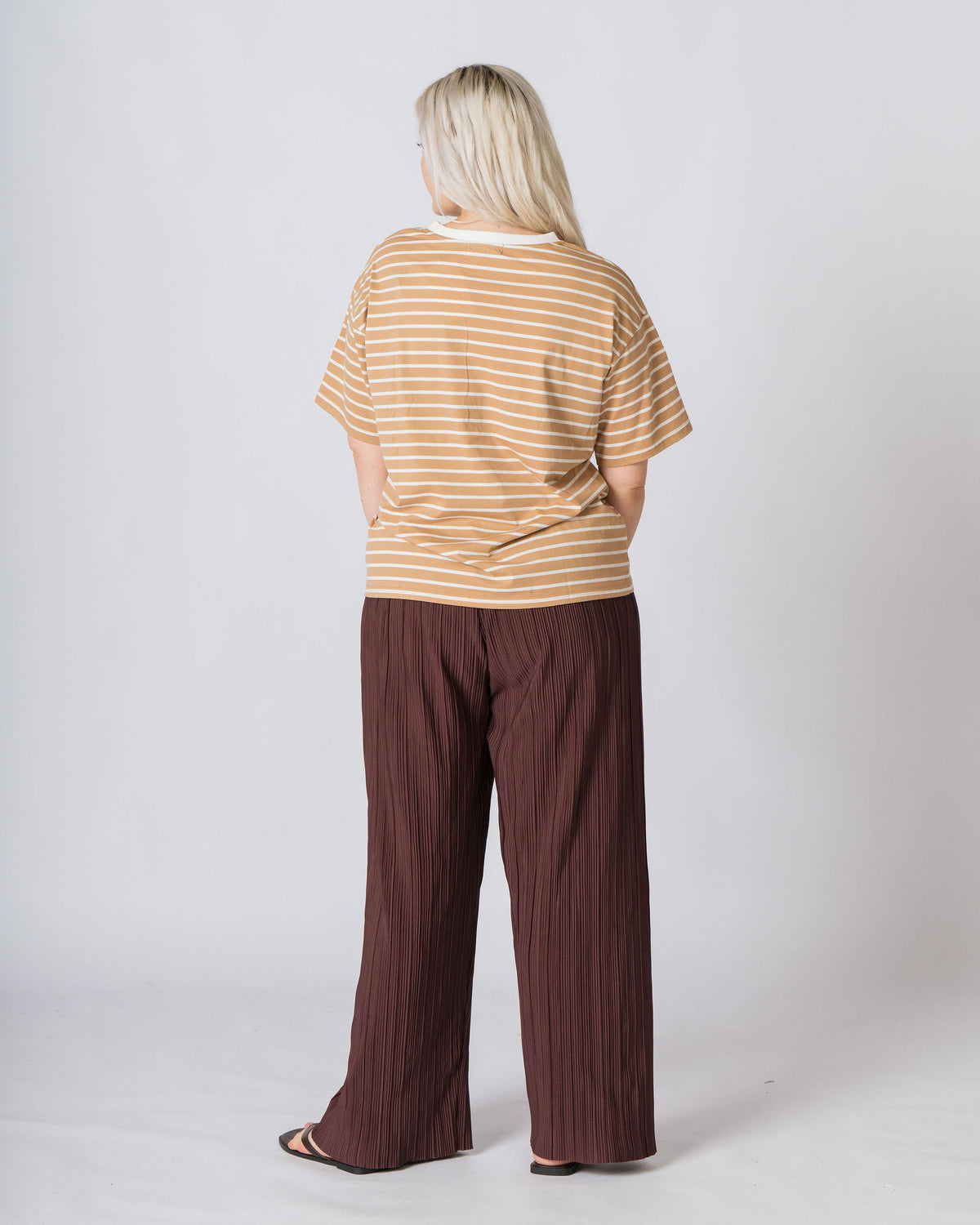
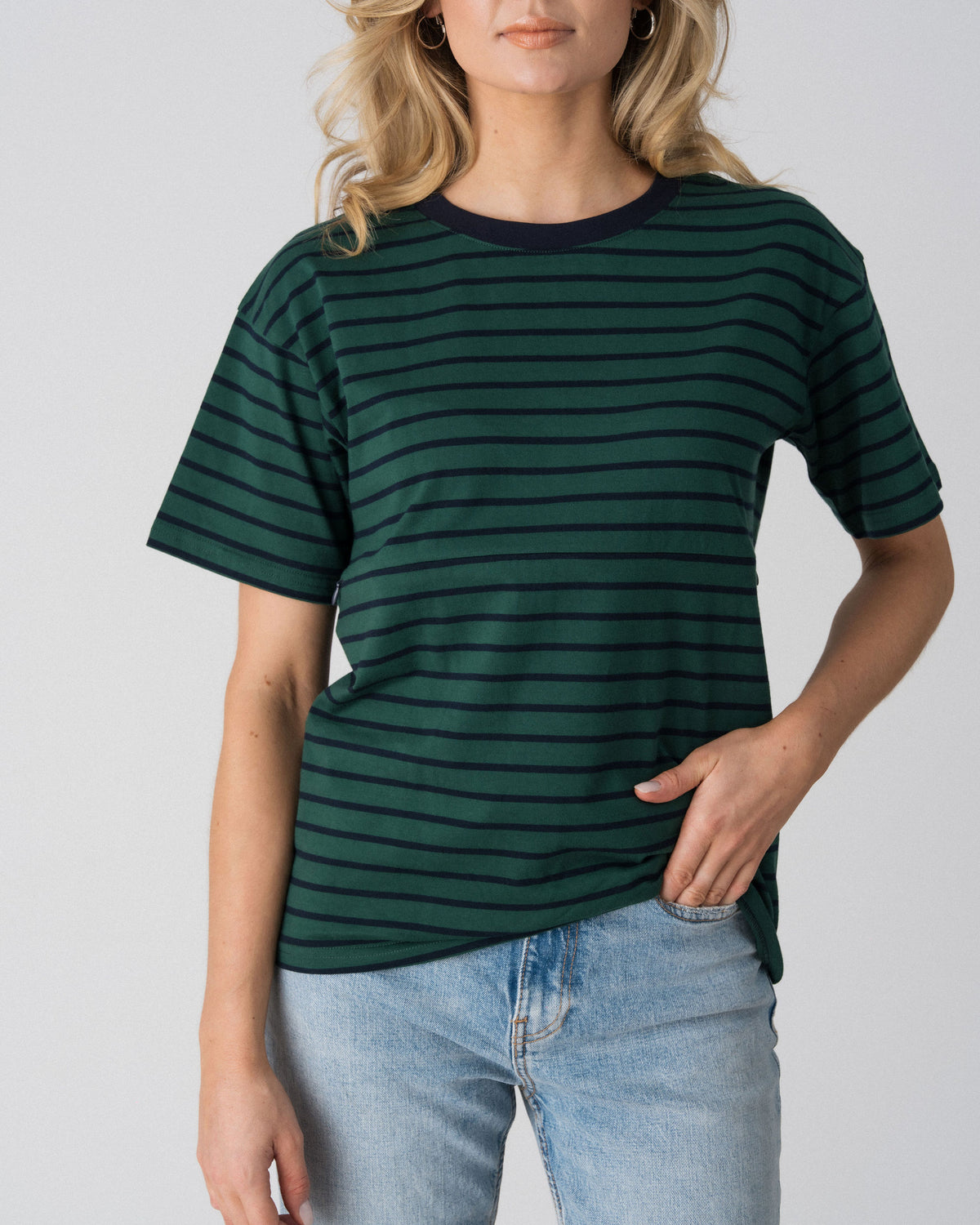
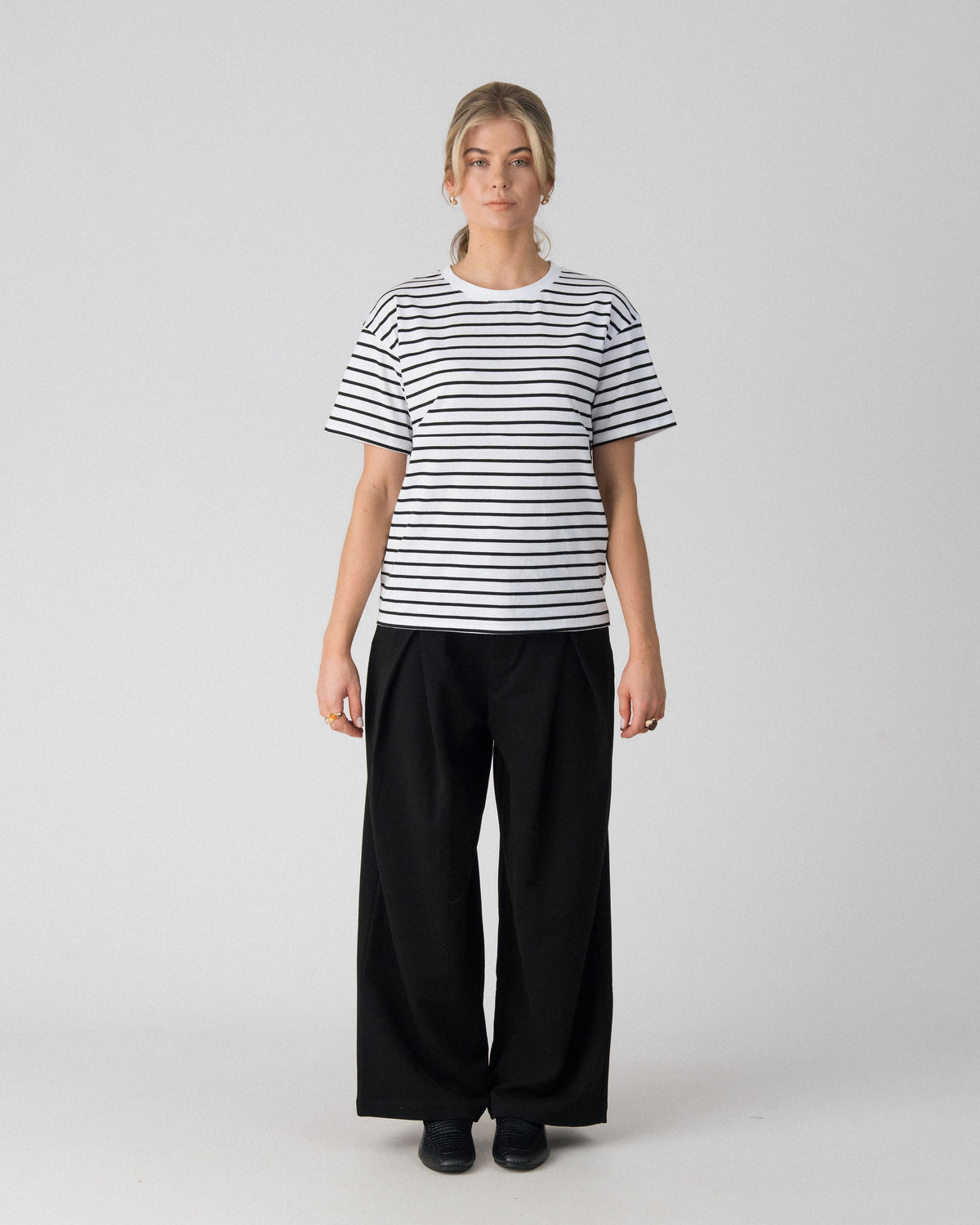
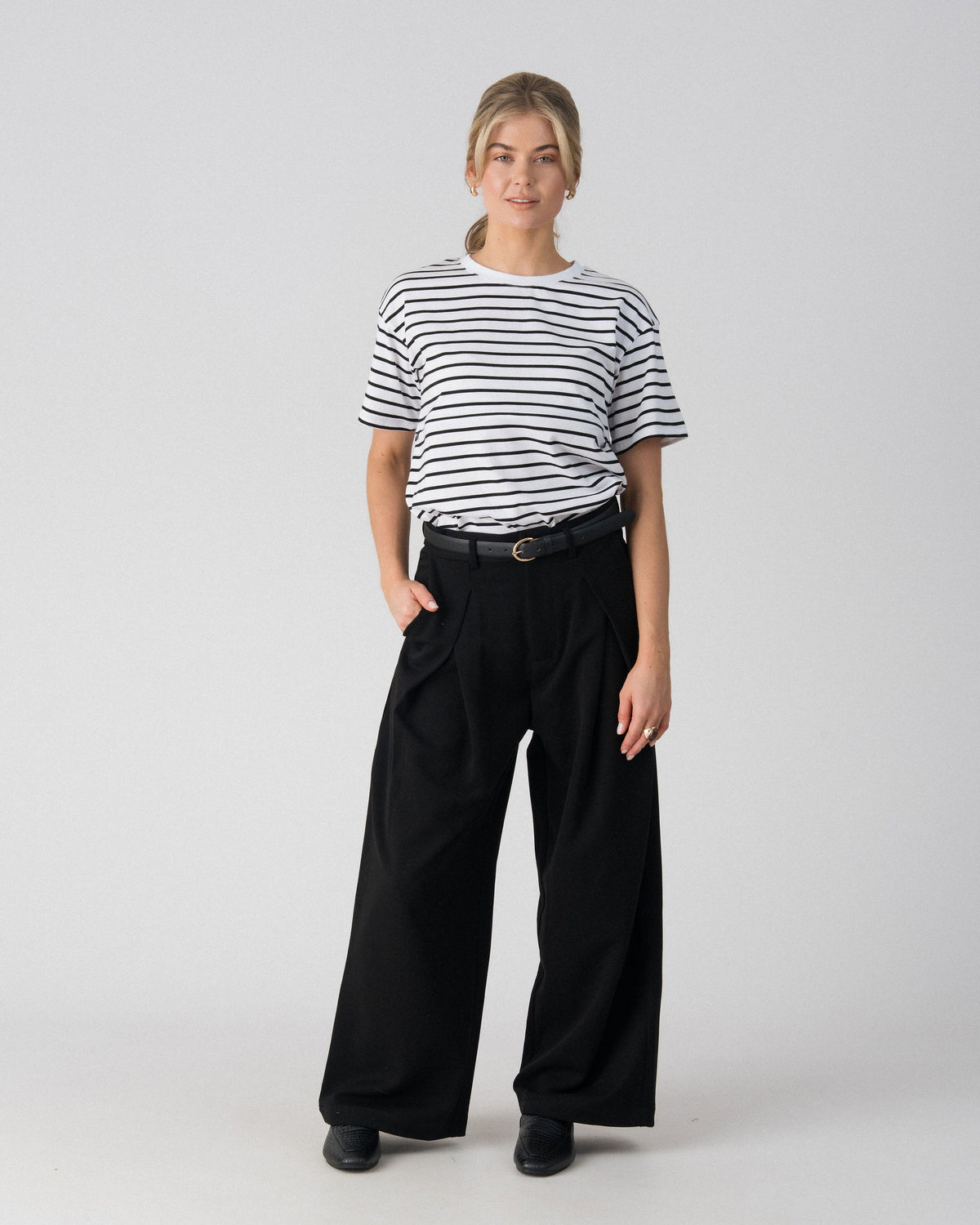
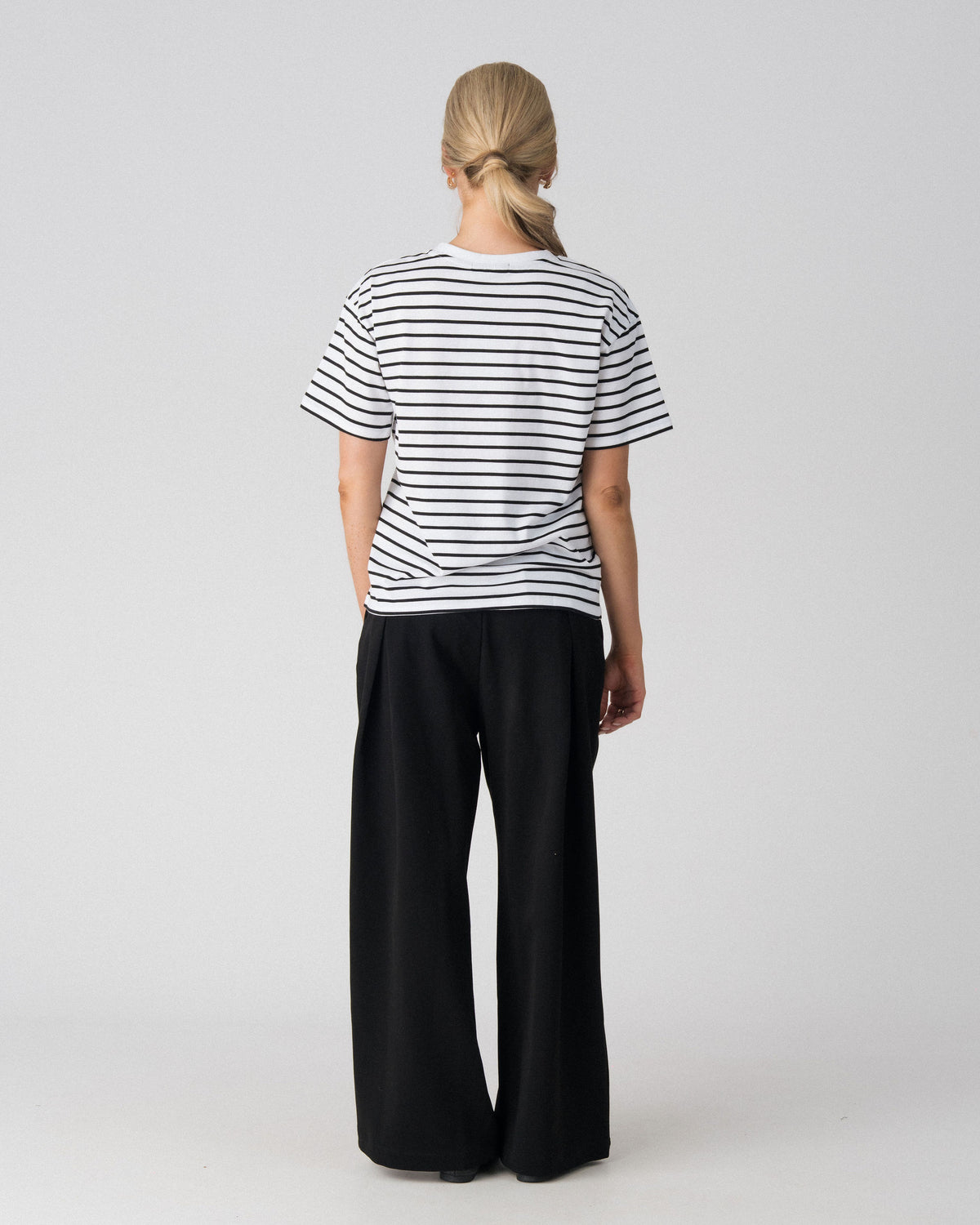
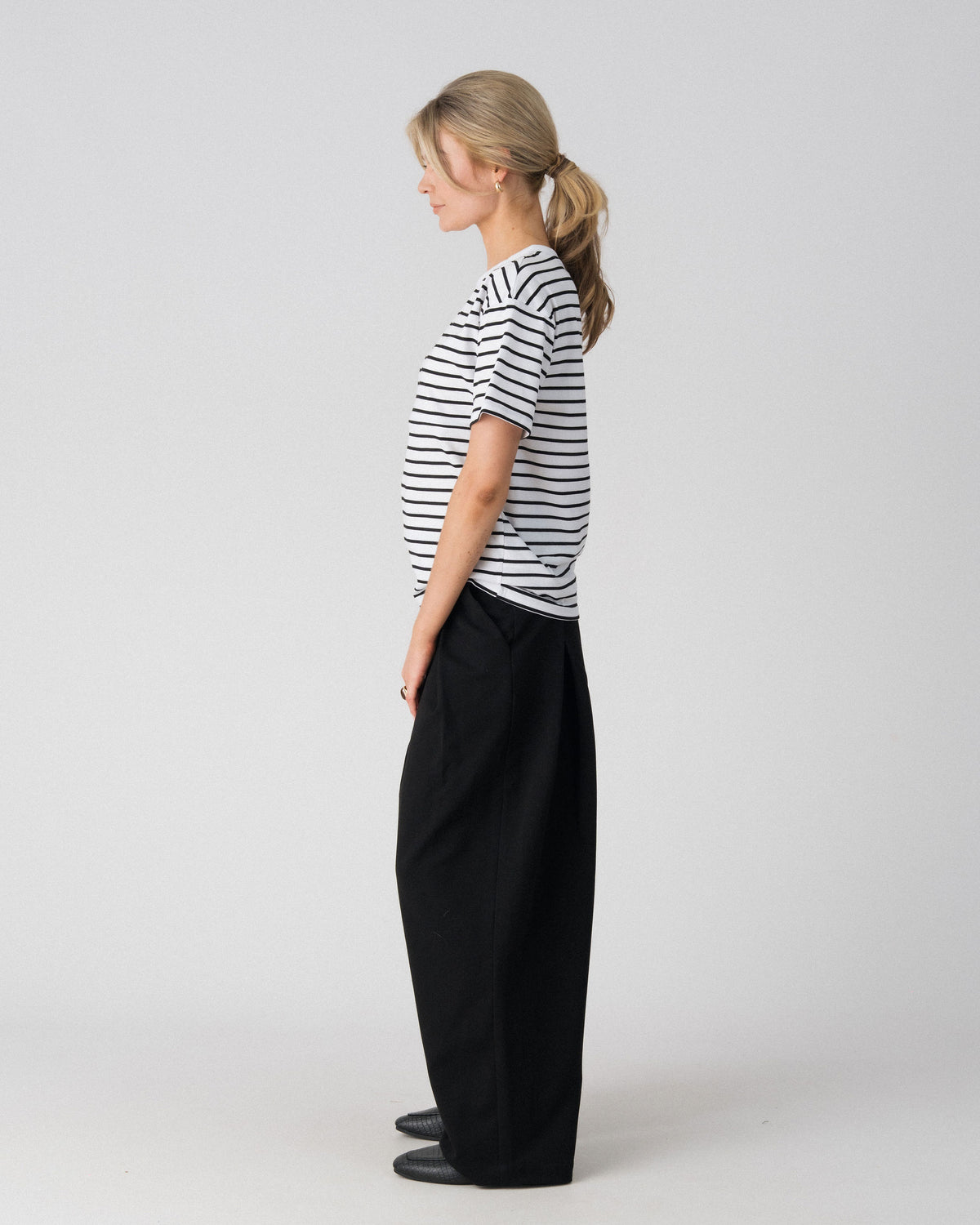
It is a good choice if you prefer not to lift your whole top or expose your stomach, side or back. When thoughtfully designed, the zip can be almost invisible, particularly when concealed within an underbust seam or aligned between stripes.
Best for: mums who want discreet breastfeeding access with minimal exposure.
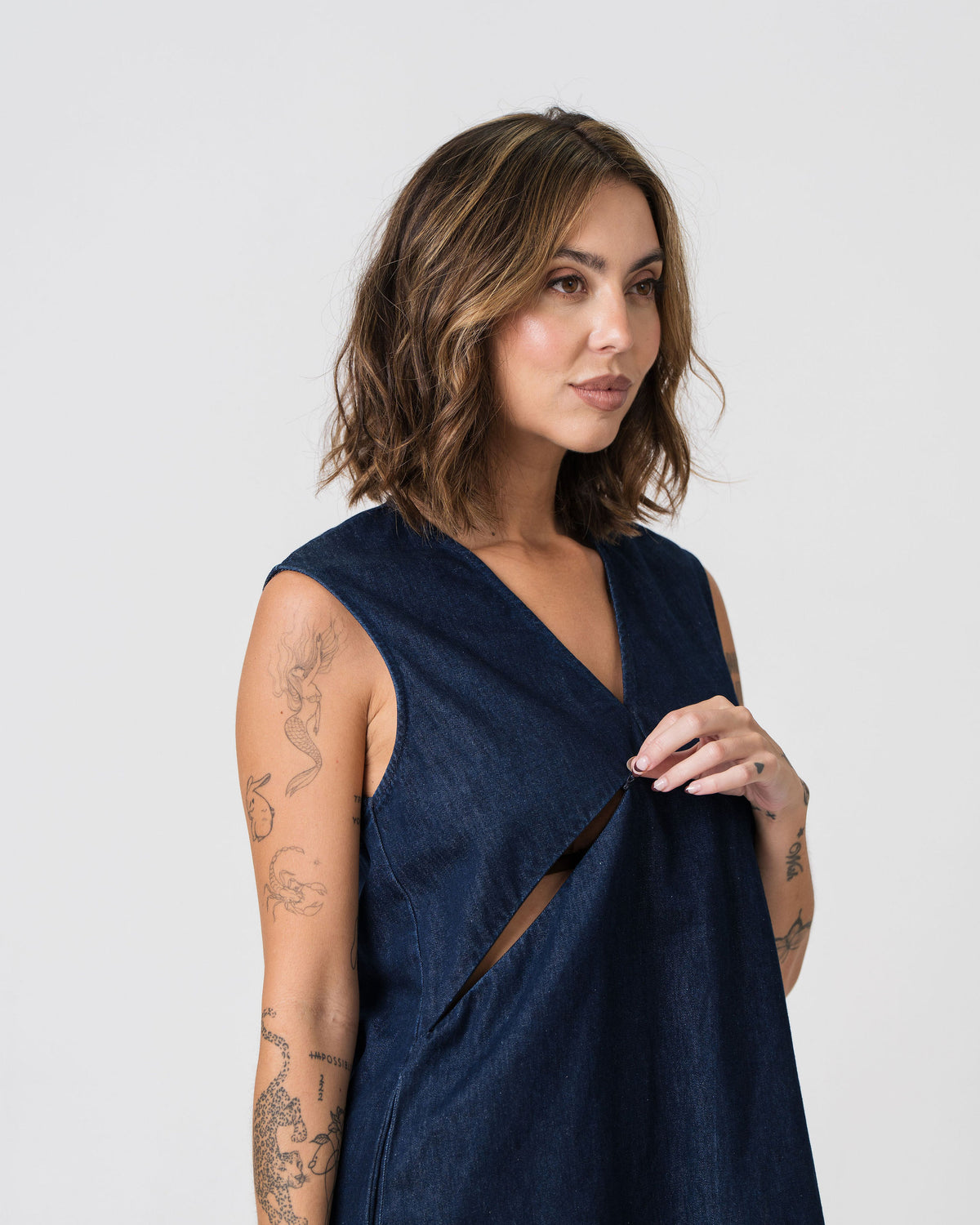
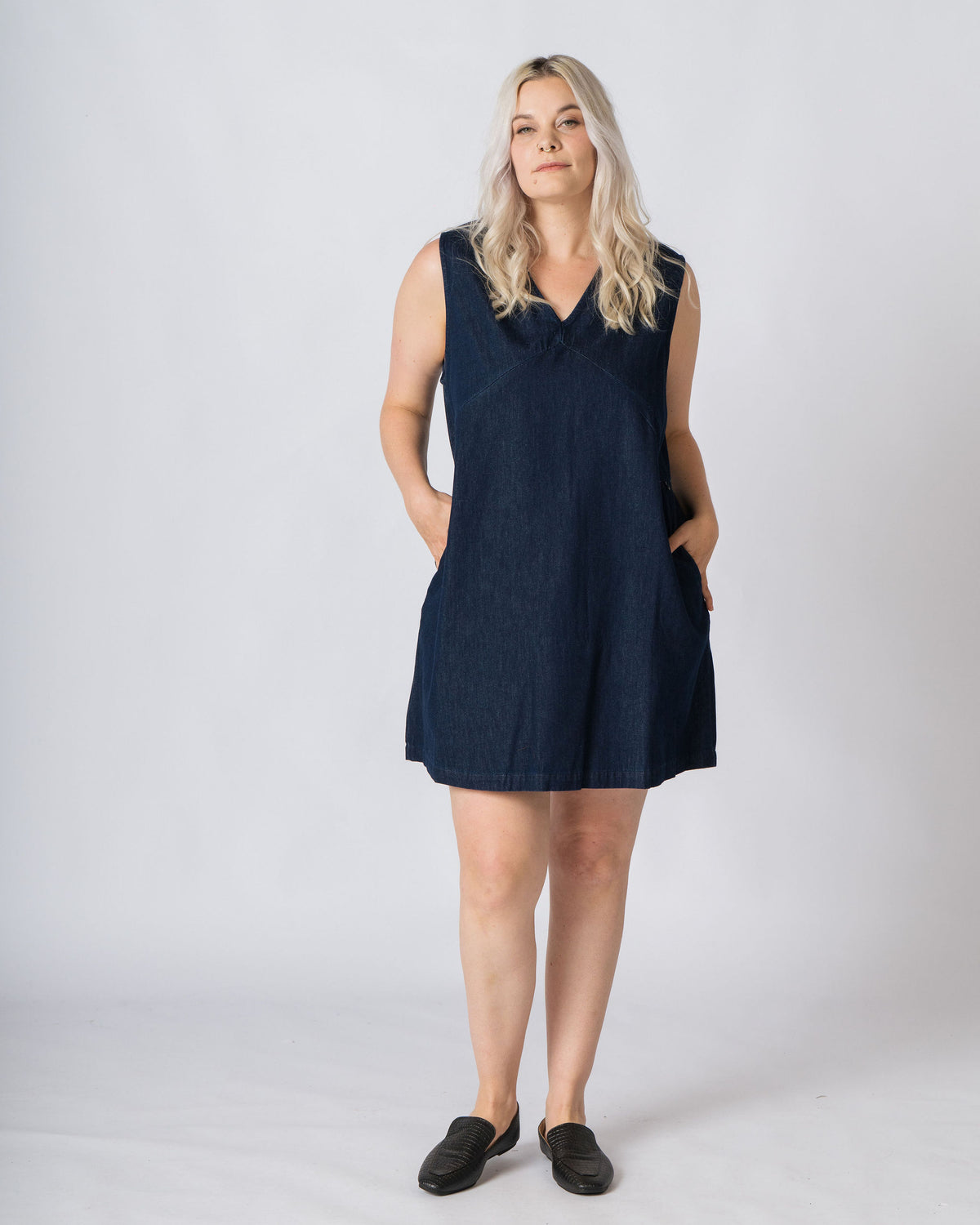
2. Diagonal Neckline Zips
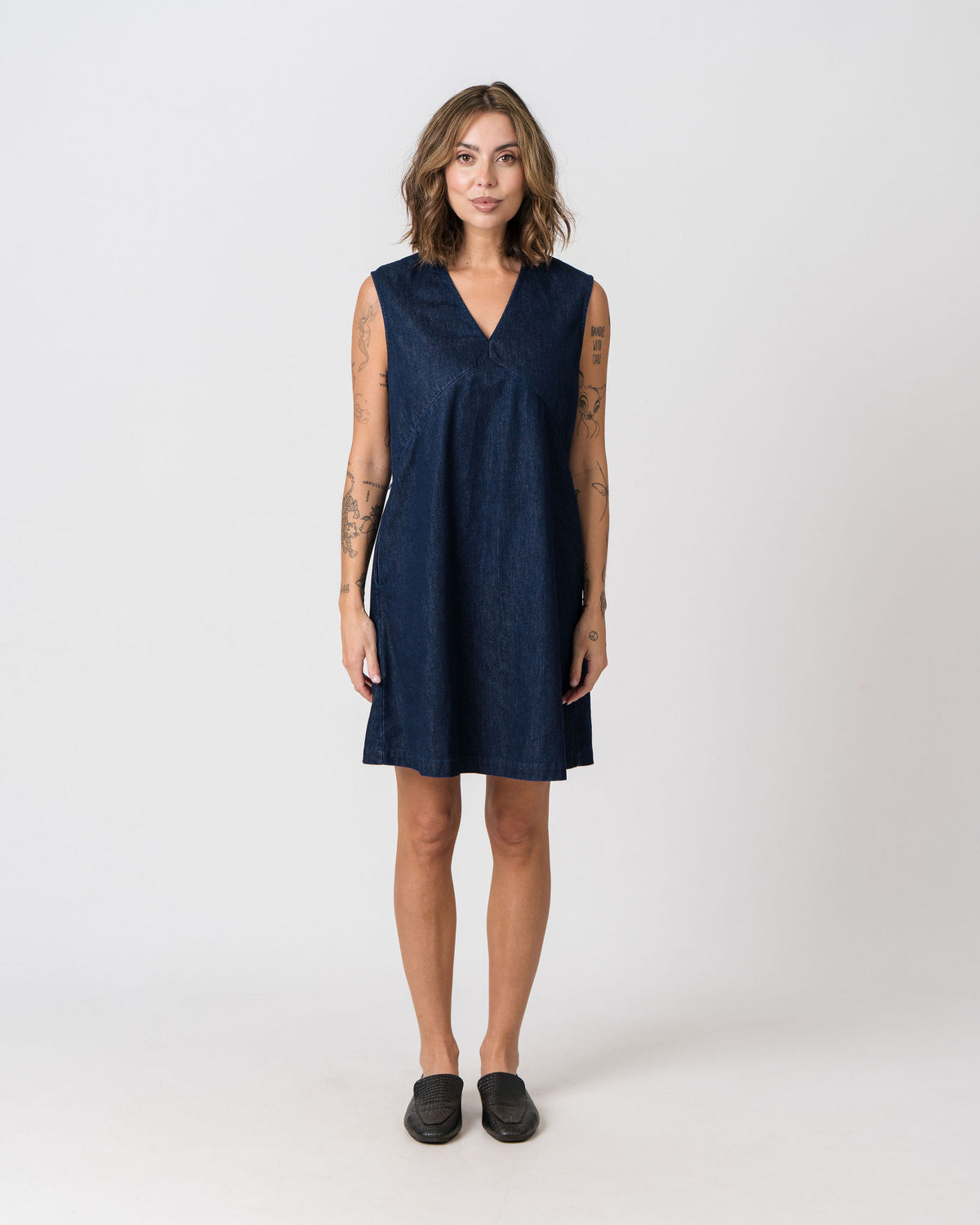
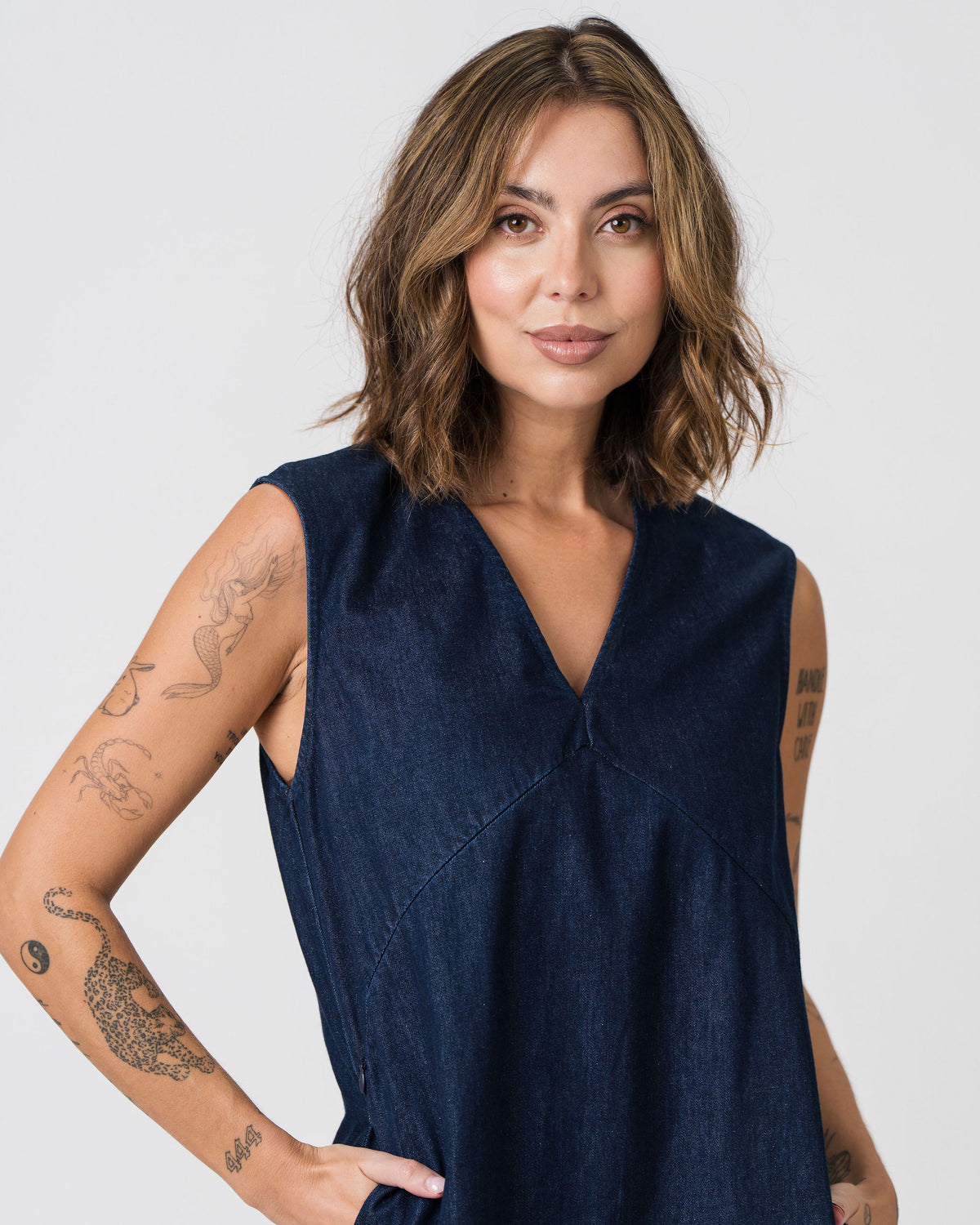
Diagonal zips work particularly well with V-neck tops and dresses because they follow the natural line of the neckline.
Usually, there are two separate zips, one on each side, allowing access to either breast without lifting the garment.
This lets you expose only what you need while feeding. When integrated into an existing neckline or seam, diagonal zips can also look like an intentional design detail rather than a nursing feature.
Best for: V-neck tops and dresses with subtle, easy breastfeeding access.

3. Extended Button Plackets or Half Zips
A button placket or half zip can extend lower than it would on a regular polo, shirt or sweatshirt.
The garment still looks conventional, but the longer opening provides enough access for breastfeeding. This is a good option if you prefer clothing without hidden zips.
Because access comes from the neckline, more of the breast may be exposed compared with an underbust or diagonal zip.
Best for: mums who prefer a classic polo, shirt or sweatshirt and are comfortable feeding from the neckline.

4. Wrap Fronts
Wrap tops and dresses are simple breastfeeding-friendly designs. You move the crossover fabric aside to create access, with no zips, buttons or additional closures to manage.
However, the extra fabric may fall across your baby’s face or nose, so you may need one hand to hold it away. Wrap styles can also shift while you move, causing gaping or exposing more than intended.
Best for: easy, hardware-free access if you’re comfortable managing extra fabric.
5. Lift-Up Panels
Lift-up panels are common in traditional nursing wear. A layer of fabric sits over another opening, allowing you to lift the top panel and access the breast underneath.
They are practical and easy to use, but the layered construction can make the nursing function more obvious. For mums who want breastfeeding clothes that look like their regular wardrobe, this style can feel more recognisably maternity or nursing-specific.
Best for: straightforward access where discreet garment design is not the main priority.
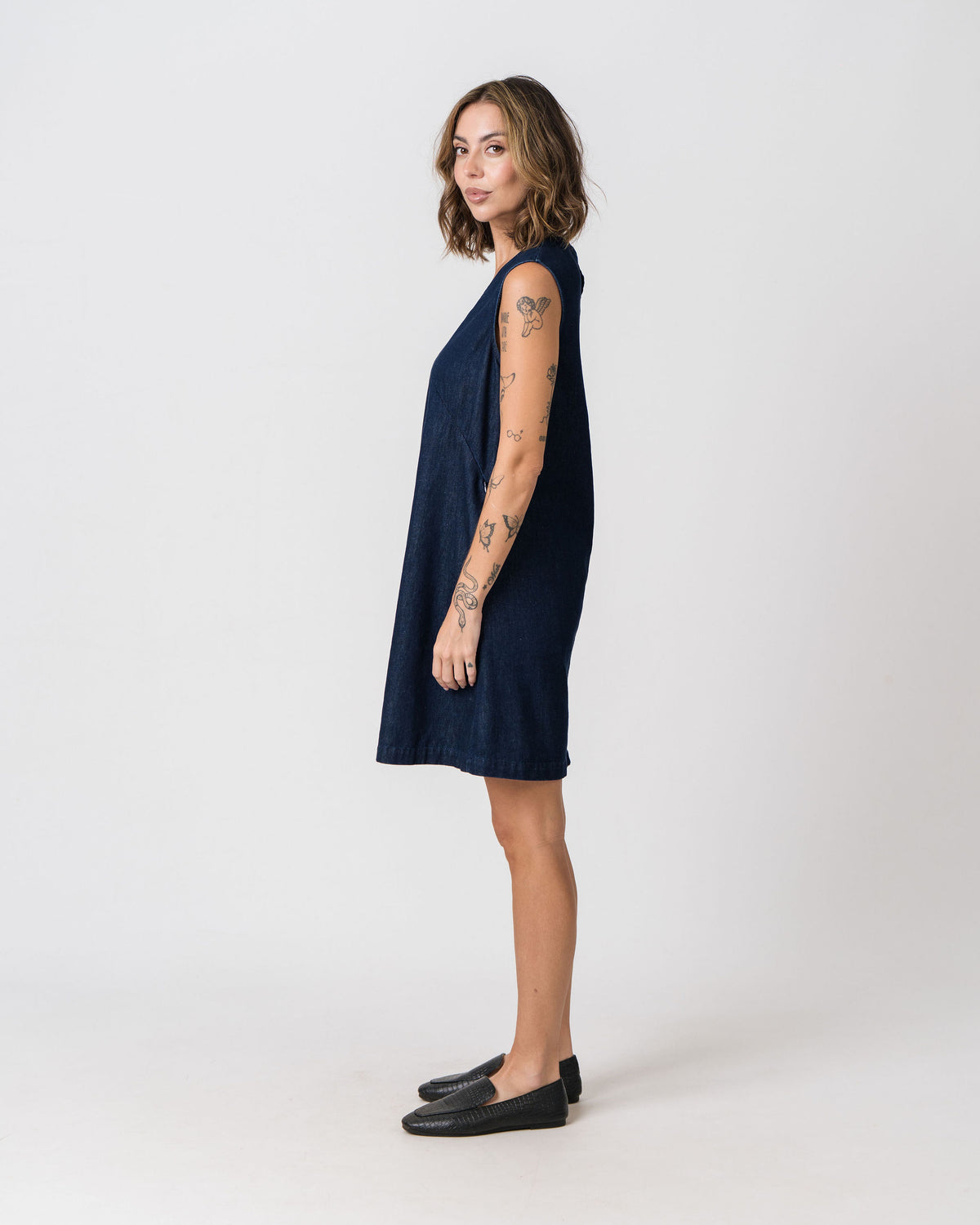
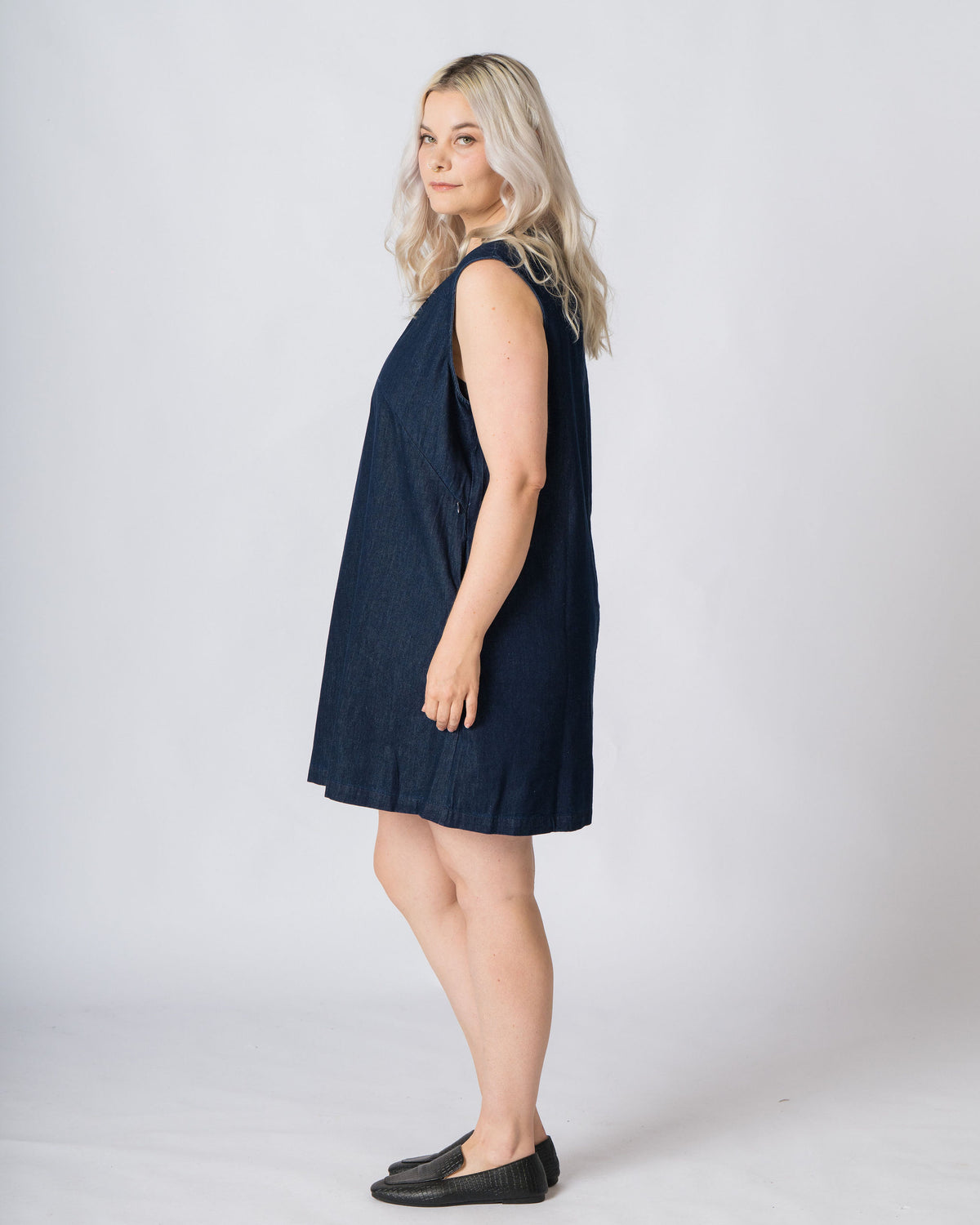
6. Side Zips
Side zips can be concealed within a seam, helping maintain a clean design while providing breastfeeding access.
The main drawback is the direction of access. Opening from the side may expose more of your torso, and you may need to hold the fabric away from your baby’s face while nursing.
Best for: clean, minimal designs with a concealed zip.
7. Stretch Necklines
Sometimes the simplest breastfeeding access requires no added opening. A stretchy neckline can be pulled down to allow feeding.
This is quick and easy, but repeated stretching may affect the garment’s shape over time, especially if the fabric has limited recovery. It can also expose more of the chest.
Best for: simple, stretchy basics where neckline longevity is not a major concern.
So, Which Type of Breastfeeding Access Is Best?
There is no single best option. The right breastfeeding-friendly clothing is the style that suits how you want to feed and dress.
Before buying, consider:
-
How much skin do I want exposed while feeding?
-
Can I access one breast at a time?
-
Can I operate the opening easily with one hand?
-
Will I need to hold excess fabric away from my baby?
-
Does the access sit comfortably against my body?
-
Will I wear this garment after breastfeeding?
-
Does it look like something I would normally choose?
At Lenelly, we consider these questions when designing every breastfeeding-friendly piece.
Our focus is on balancing style and function. We favour hidden or thoughtfully integrated zips and extended openings that make feeding easier without making garments look obviously maternity or nursing-specific.

Breastfeeding-friendly clothing should make life easier now while still feeling like something you would choose to wear later.
Most importantly, it should feel comfortable for mum.
Motherhood changes enough. Your personal style does not have to.