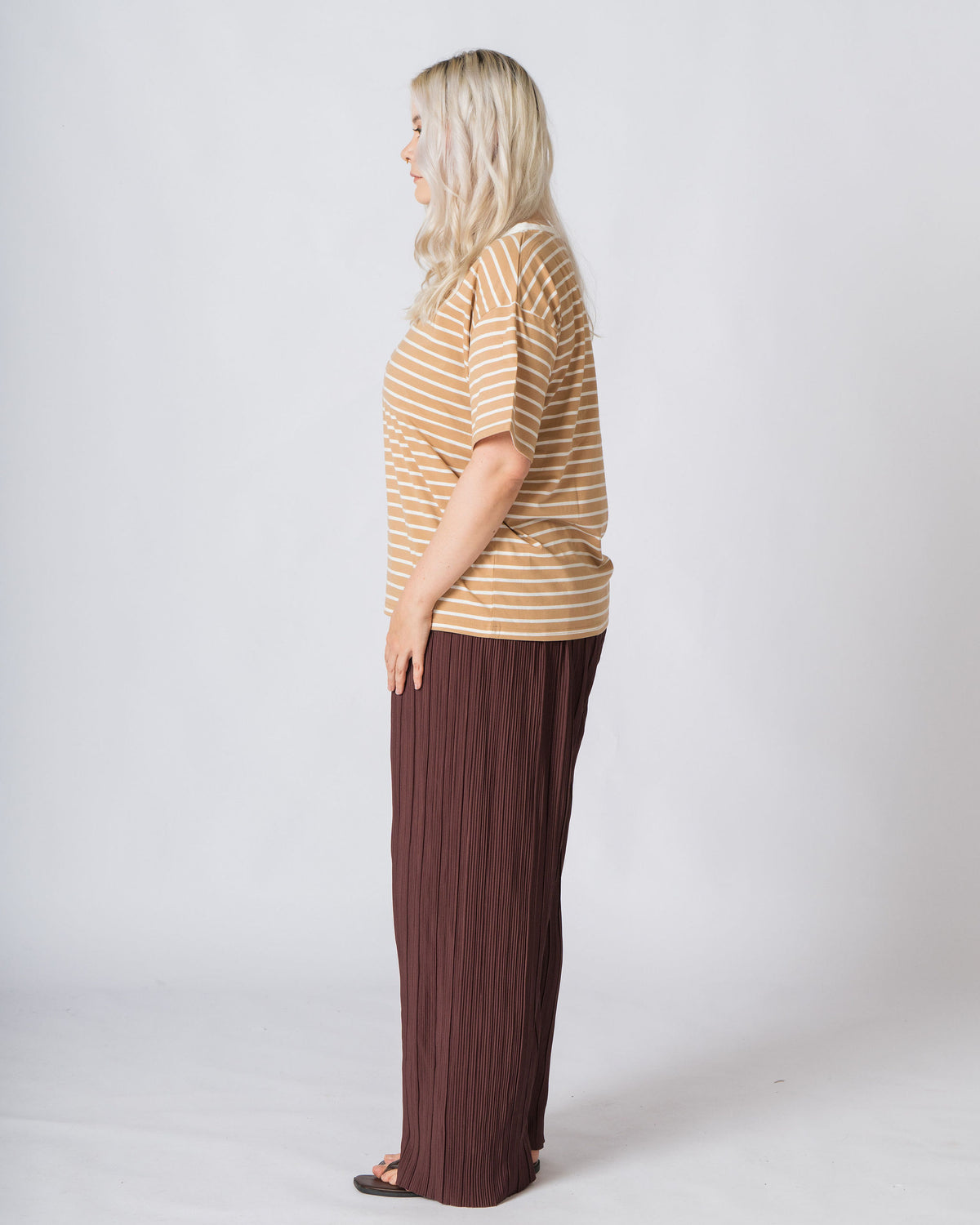
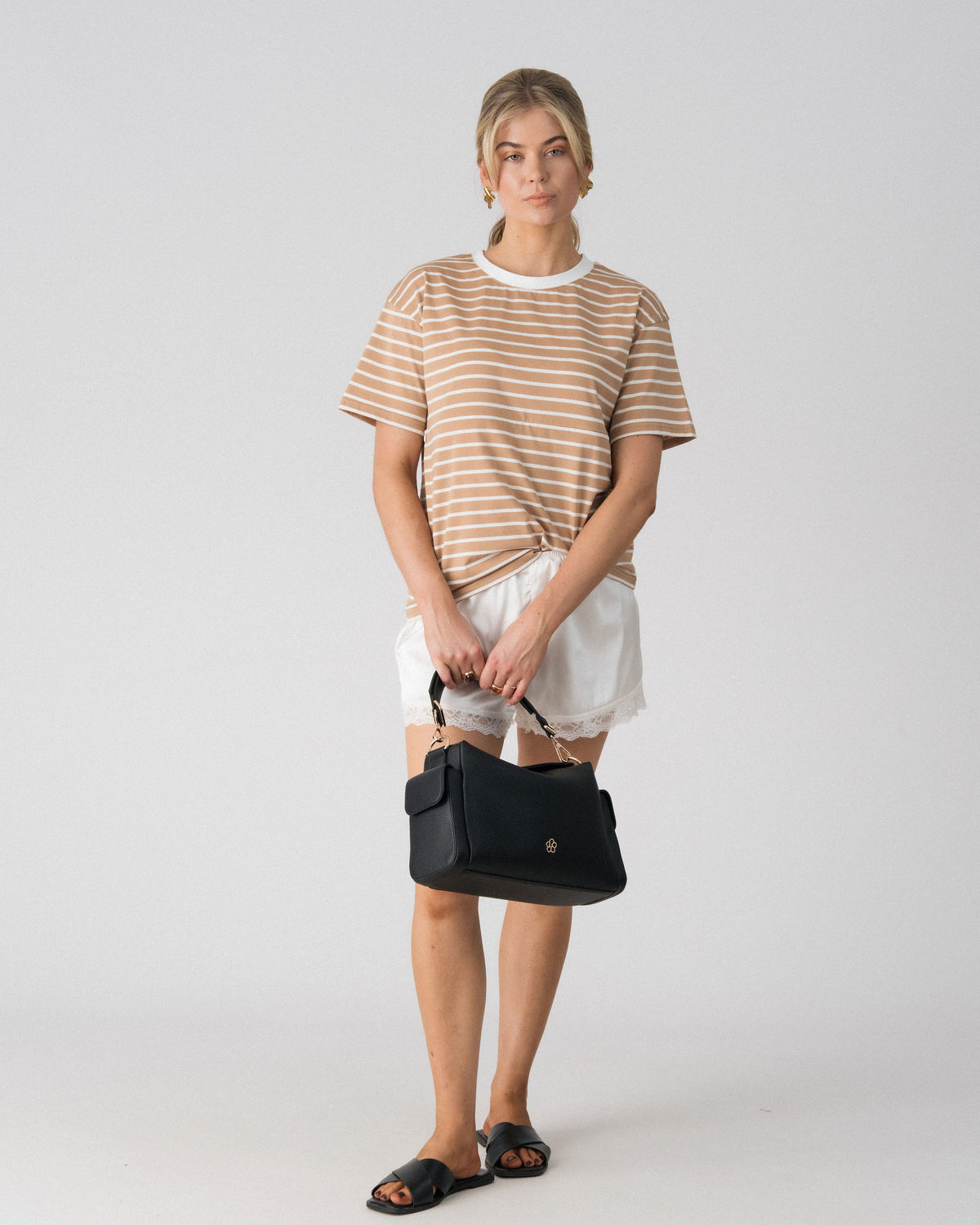
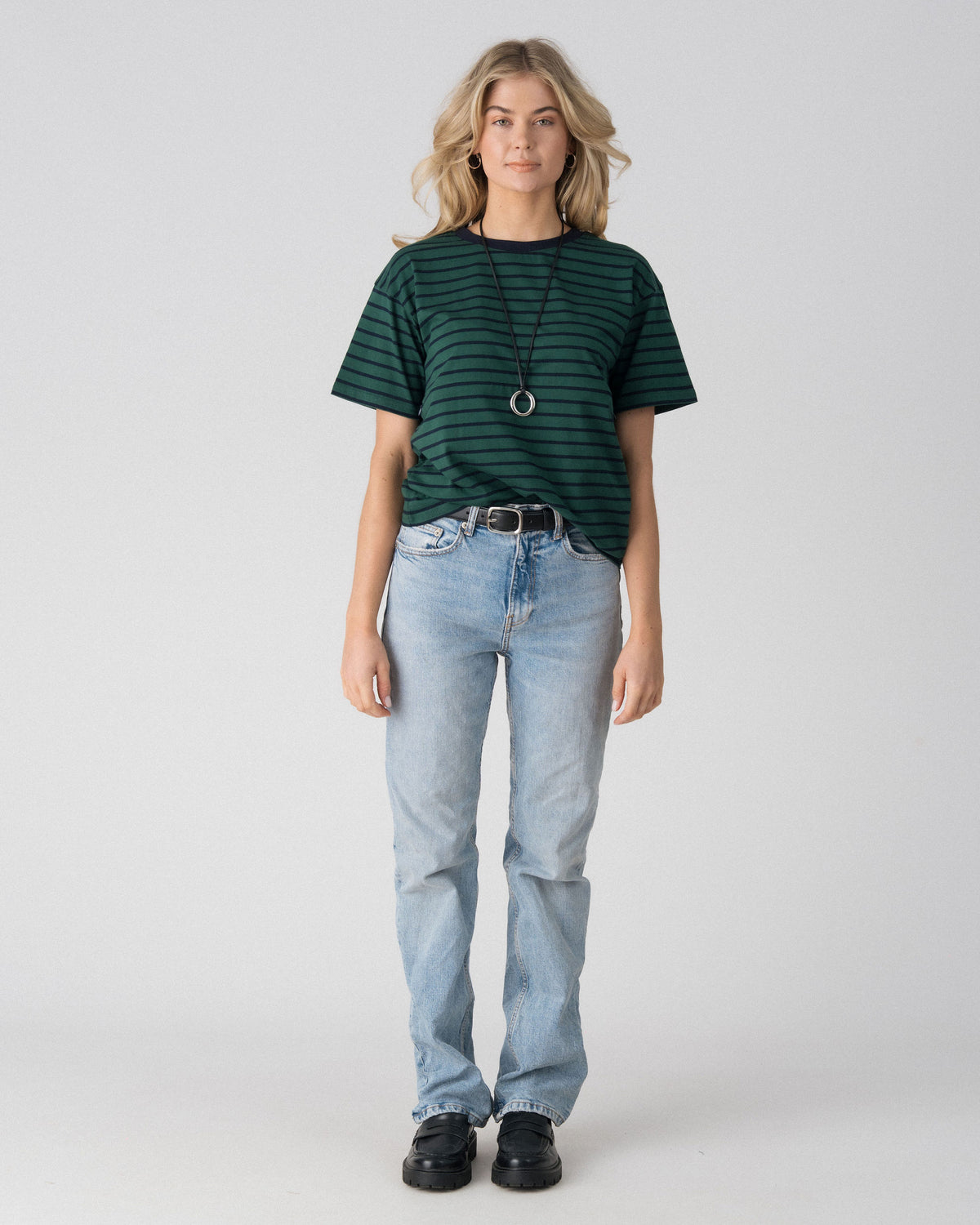
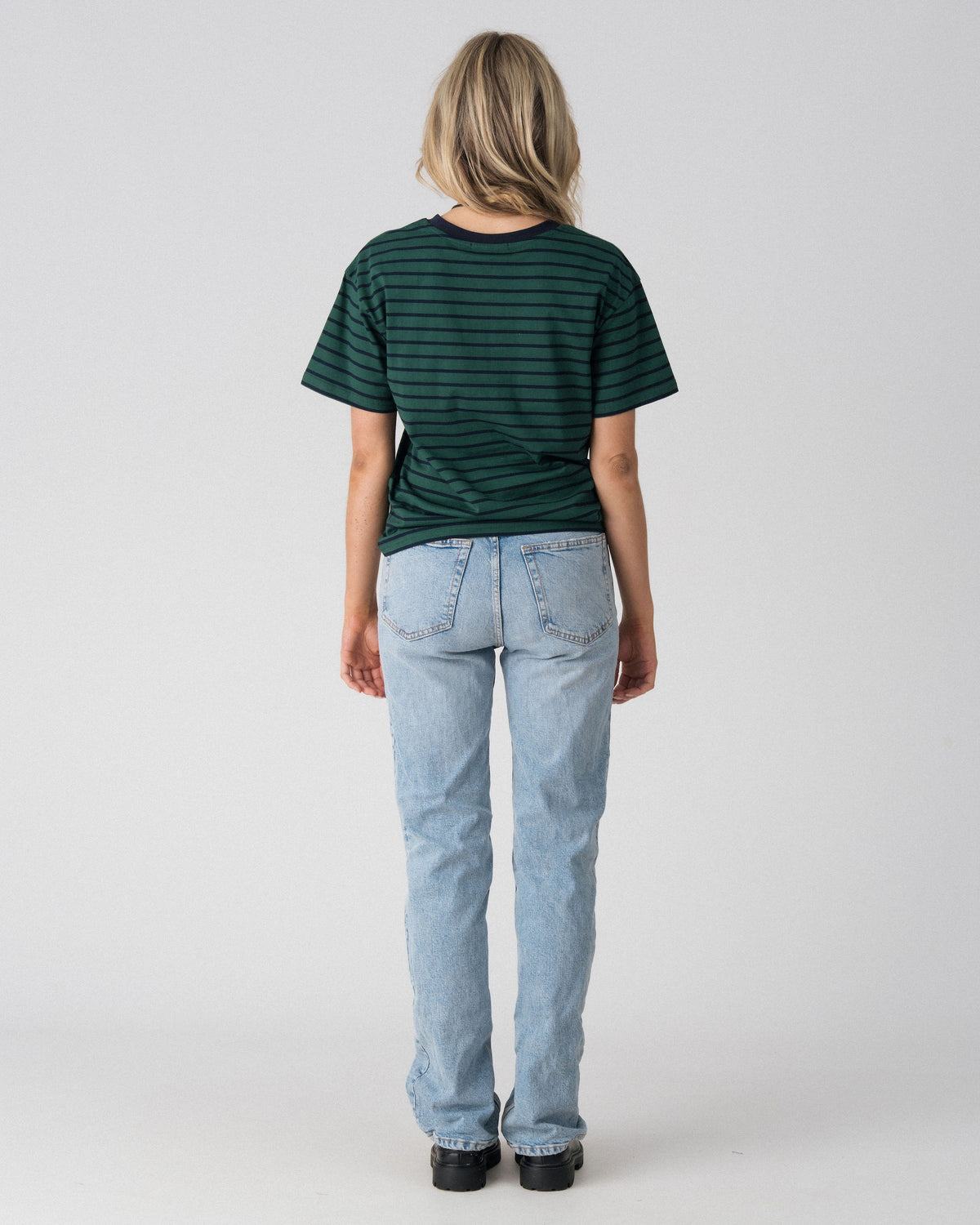
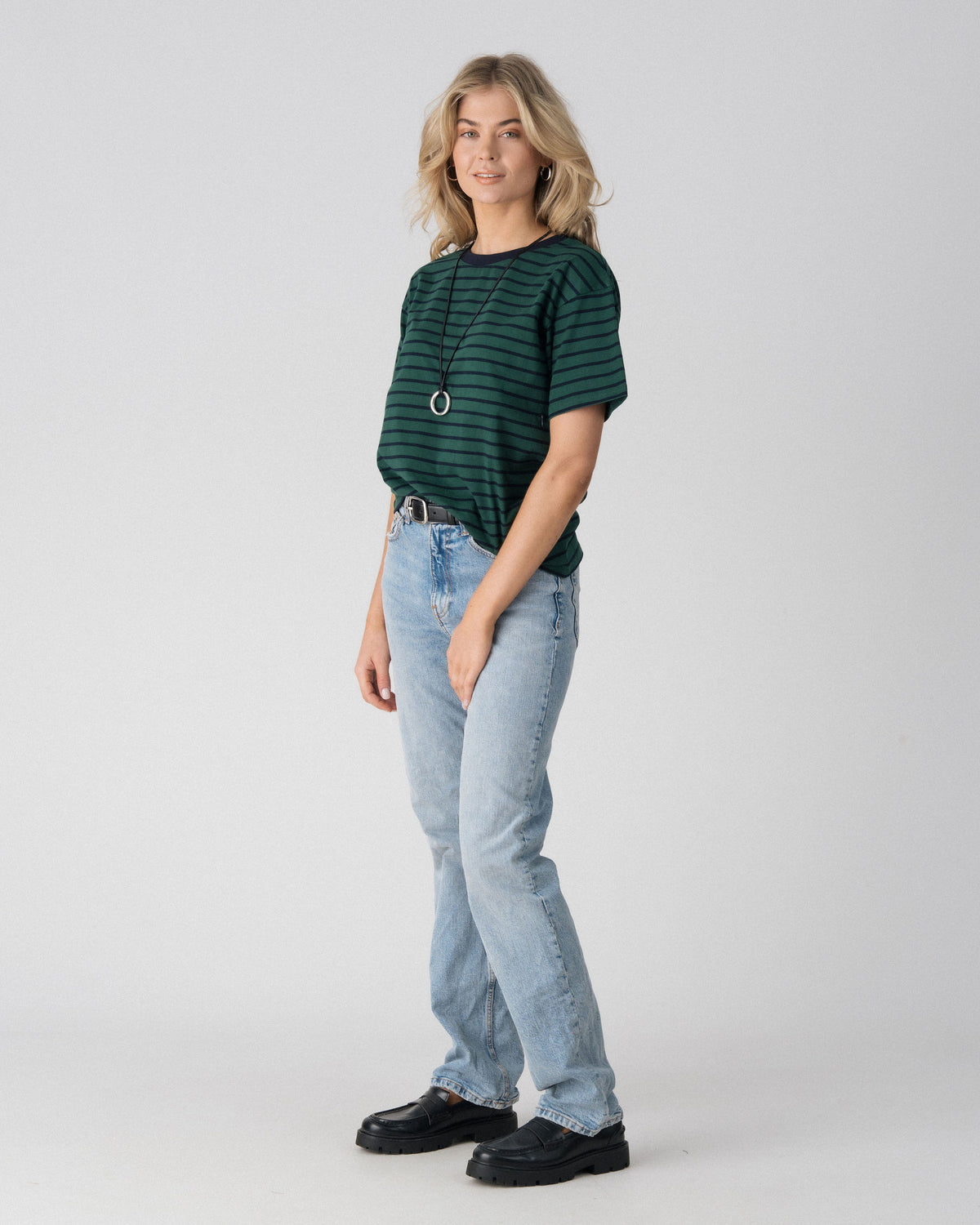
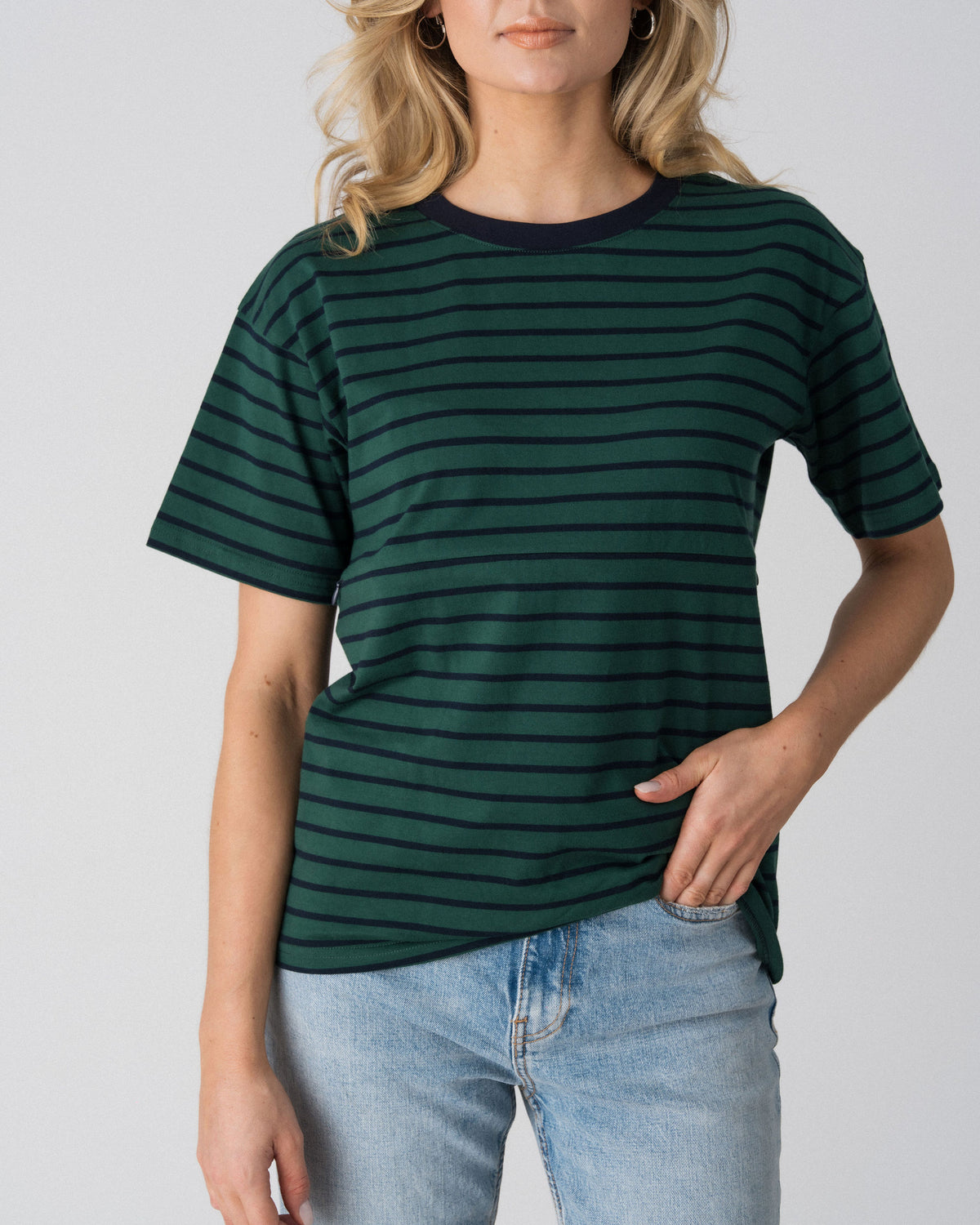
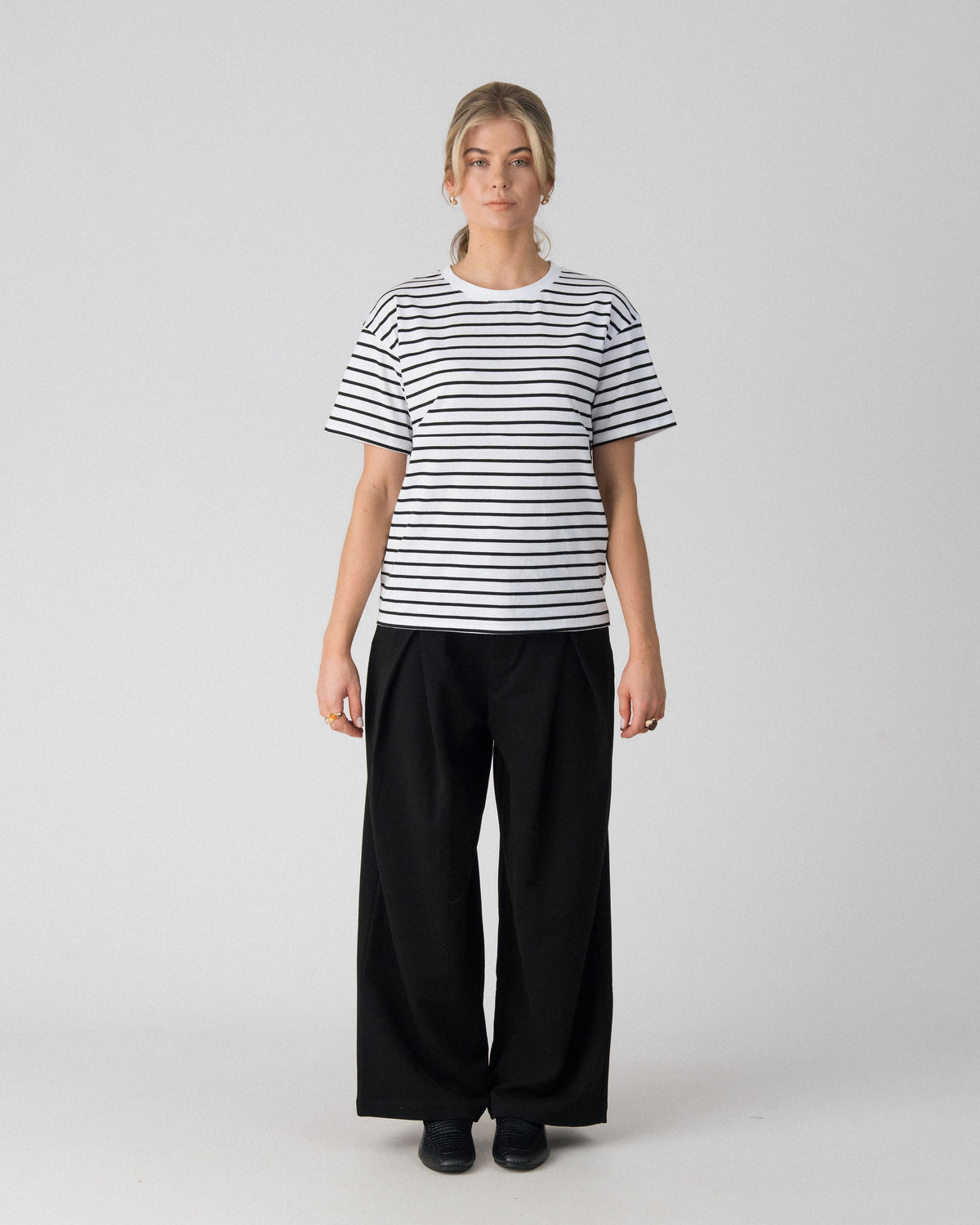
Finding a breastfeeding-friendly top is usually fairly straightforward. Dresses can be trickier.
A dress might look perfect, feel comfortable and fit beautifully, but if the only way to breastfeed is to pull the entire thing up or take it off, it can quickly become impractical.
So what actually makes a dress breastfeeding-friendly?
It is not just about having a zip or button somewhere on the garment. Good breastfeeding access should be easy to use, comfortable, discreet enough for your preference and ideally incorporated into a dress you would want to wear even if you were not breastfeeding.
Here are some of the things worth looking for.
1. Easy Breastfeeding Access
The most important feature is obvious: you need to be able to access the breast easily for feeding..
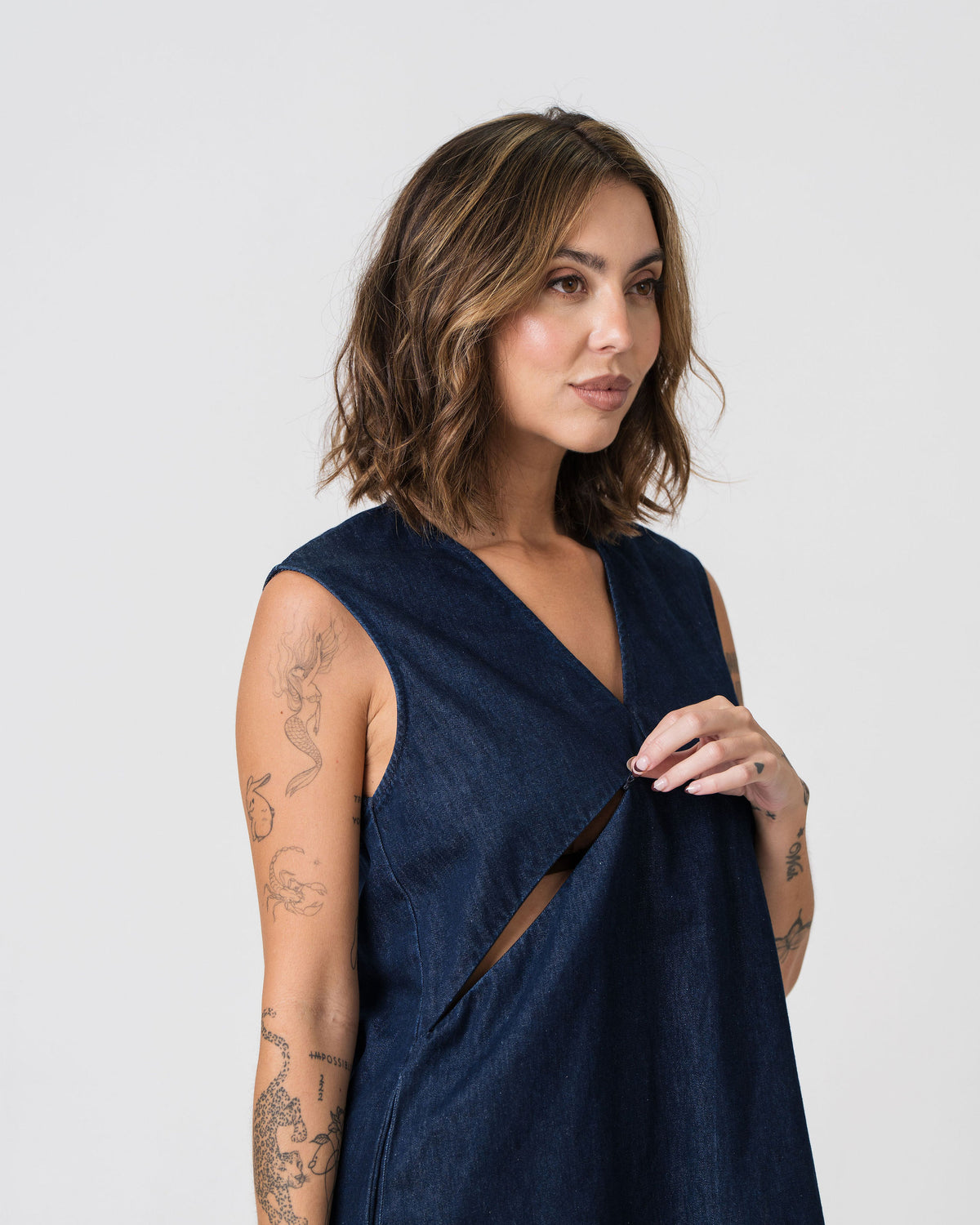
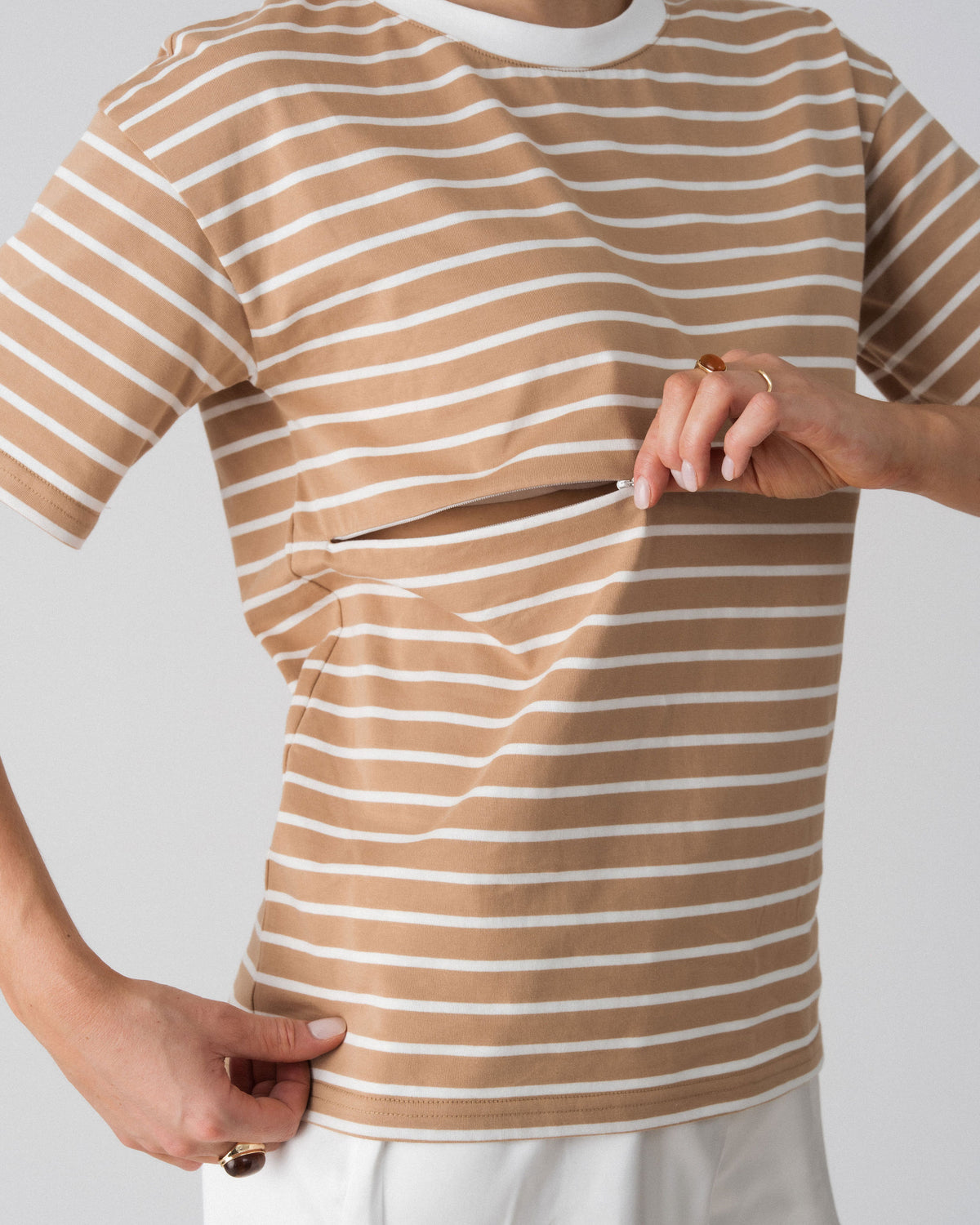
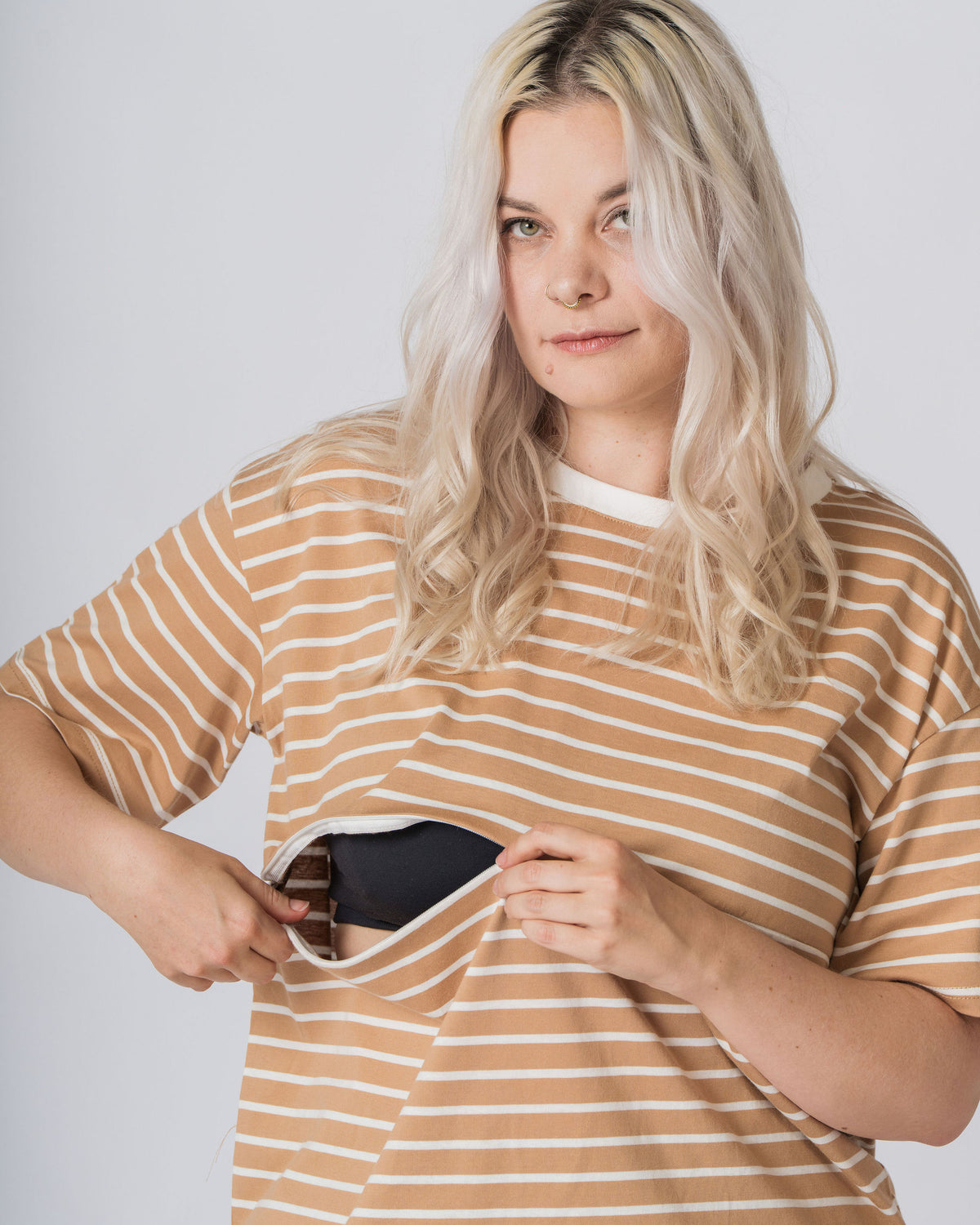
Breastfeeding-friendly dresses can use several different types of access, including hidden underbust zips, diagonal neckline zips, extended buttons, wrap fronts or stretch necklines.
The best option comes down to personal preference, but it is worth thinking beyond whether access simply exists.
Can you open it with one hand? Can you access one breast at a time? Do you need to hold fabric out of the way while feeding? How much of your body will be exposed?
A well-designed opening should make feeding easier rather than creating another thing to manage.

2. Access That Does Not Require Lifting the Whole Dress
This is one of the biggest differences between a breastfeeding-friendly dress and a regular dress that happens to be loose enough to feed in.
With a top, lifting the hem may expose your stomach. With a dress, lifting the hem can mean lifting or taking off almost the entire garment.
That might be perfectly comfortable for some mums, but if you prefer more coverage, look for breastfeeding access positioned around the bust or neckline.
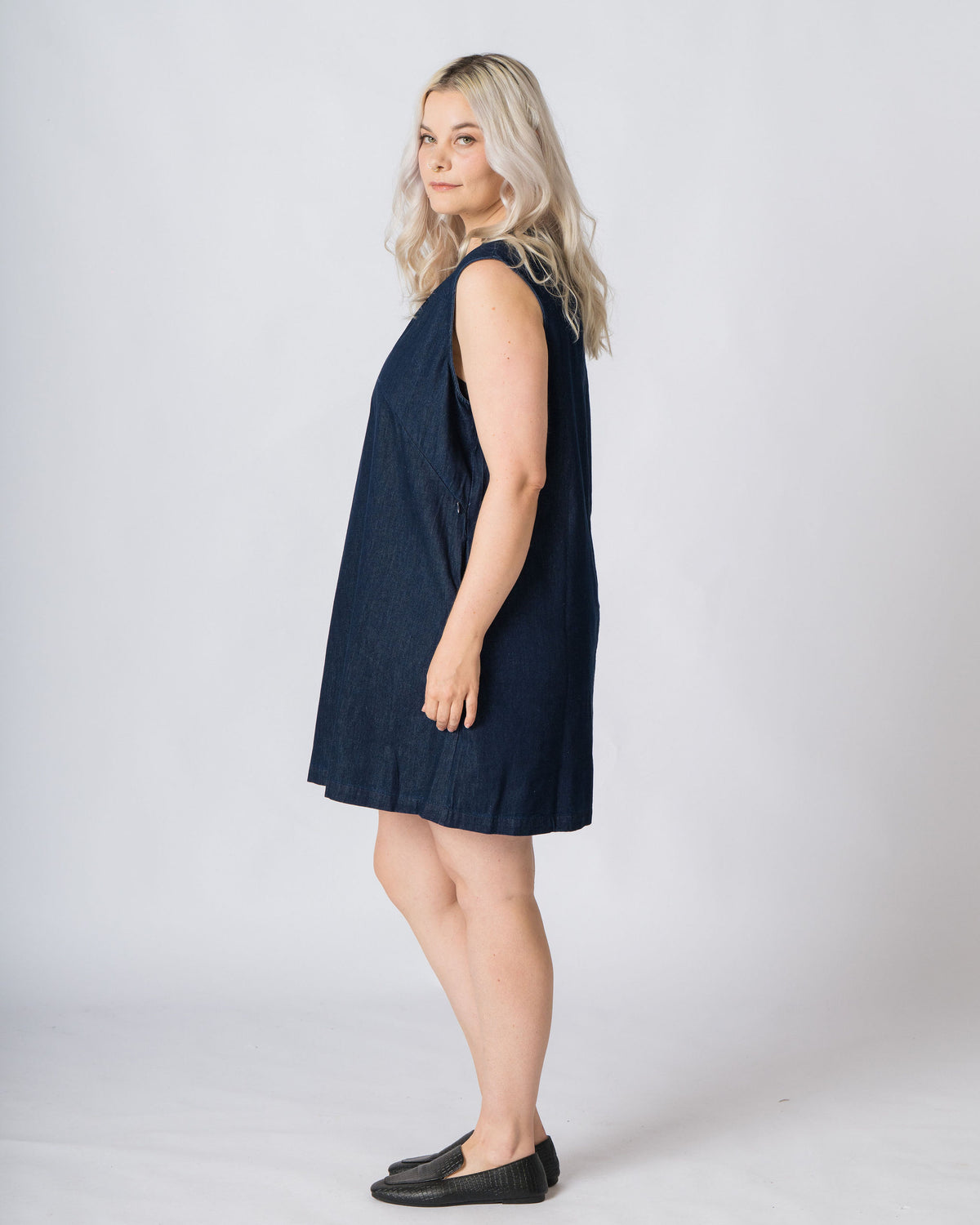
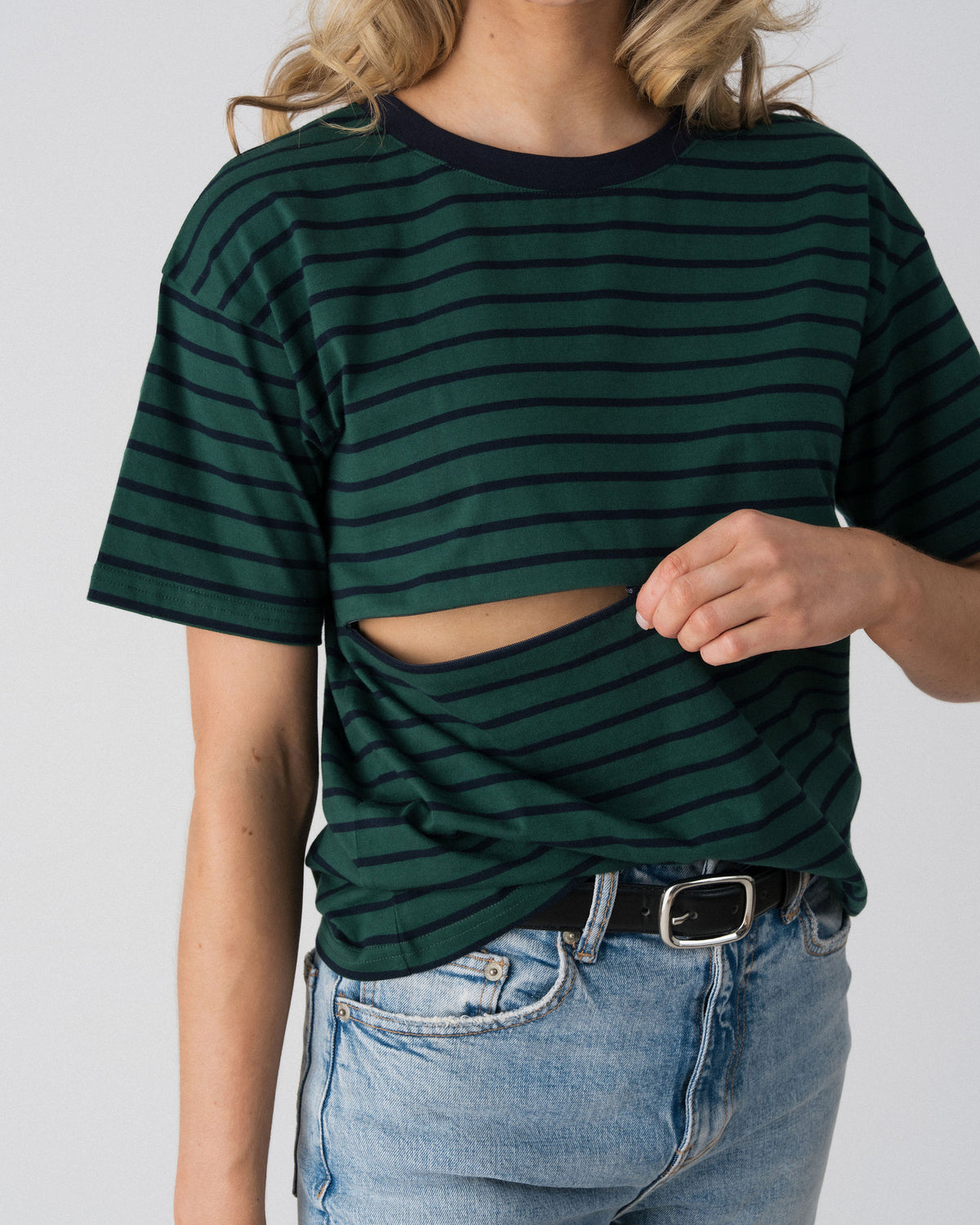
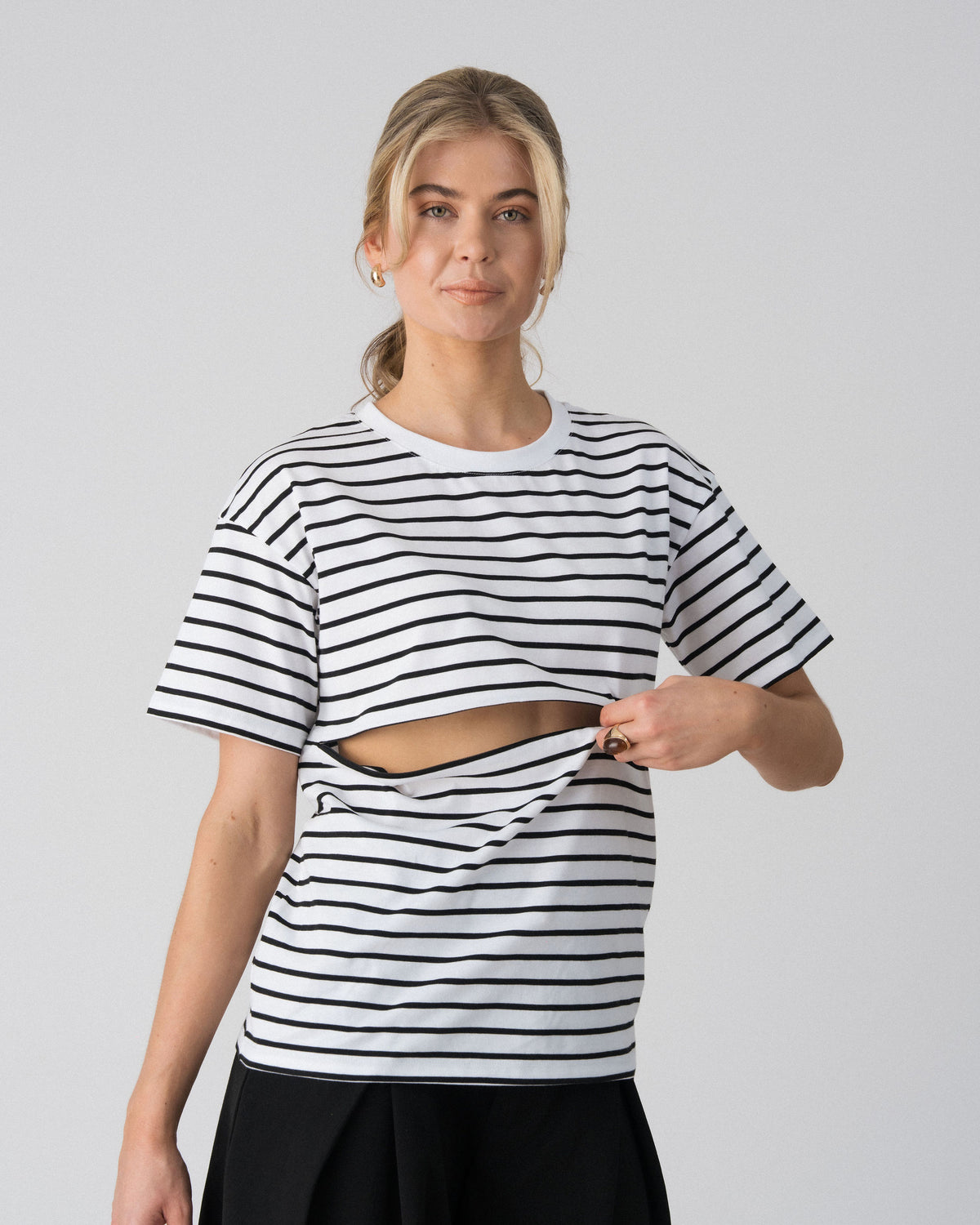
Underbust zips and diagonal neckline zips can allow you to expose only as much as needed without lifting the rest of the dress.
3. Enough Coverage to Feel Comfortable
There is no single definition of discreet breastfeeding because every mum has a different comfort level.
Some are completely comfortable feeding from an open neckline. Others prefer to keep more of the breast, stomach, back or side covered.
The design of the dress can make a significant difference.
With horizontal underbust access, for example, the fabric above the opening can remain in place while feeding and provide some additional coverage. With diagonal neckline access, you can open one side without exposing the entire chest.
If discretion matters to you, think about how the dress opens, not just whether it opens.

4. A Comfortable Fit Through the Bust
The bust is especially important in breastfeeding clothing because breast size can fluctuate throughout the day.
A dress that is very fitted across the chest may feel comfortable in the morning and restrictive later, particularly during the early months of breastfeeding.
Look for enough room through the bust, a flexible fabric or a silhouette that gives your body some breathing space.
At the same time, too much excess fabric can sometimes make breastfeeding more awkward, so the aim is usually a balance between comfort and easy access.
5. Fabric That Feels Good Against the Body
Postpartum and breastfeeding can already come with plenty of physical discomfort, so clothing should not add to it.
Soft, breathable fabrics are generally easier to wear for long periods, particularly in warm weather or when your body temperature feels unpredictable.
Cotton and cotton-rich fabrics are popular because they are breathable, comfortable against the skin and easy to incorporate into everyday wardrobes.
It is also worth considering how the fabric washes. Spit-up, milk leaks and the general mess of life with a baby mean easy-care clothing can be just as important as how it looks.
6. A Silhouette That Works With a Changing Body
Postpartum bodies continue to fluctuate, and breastfeeding can also affect how clothing fits across the bust.
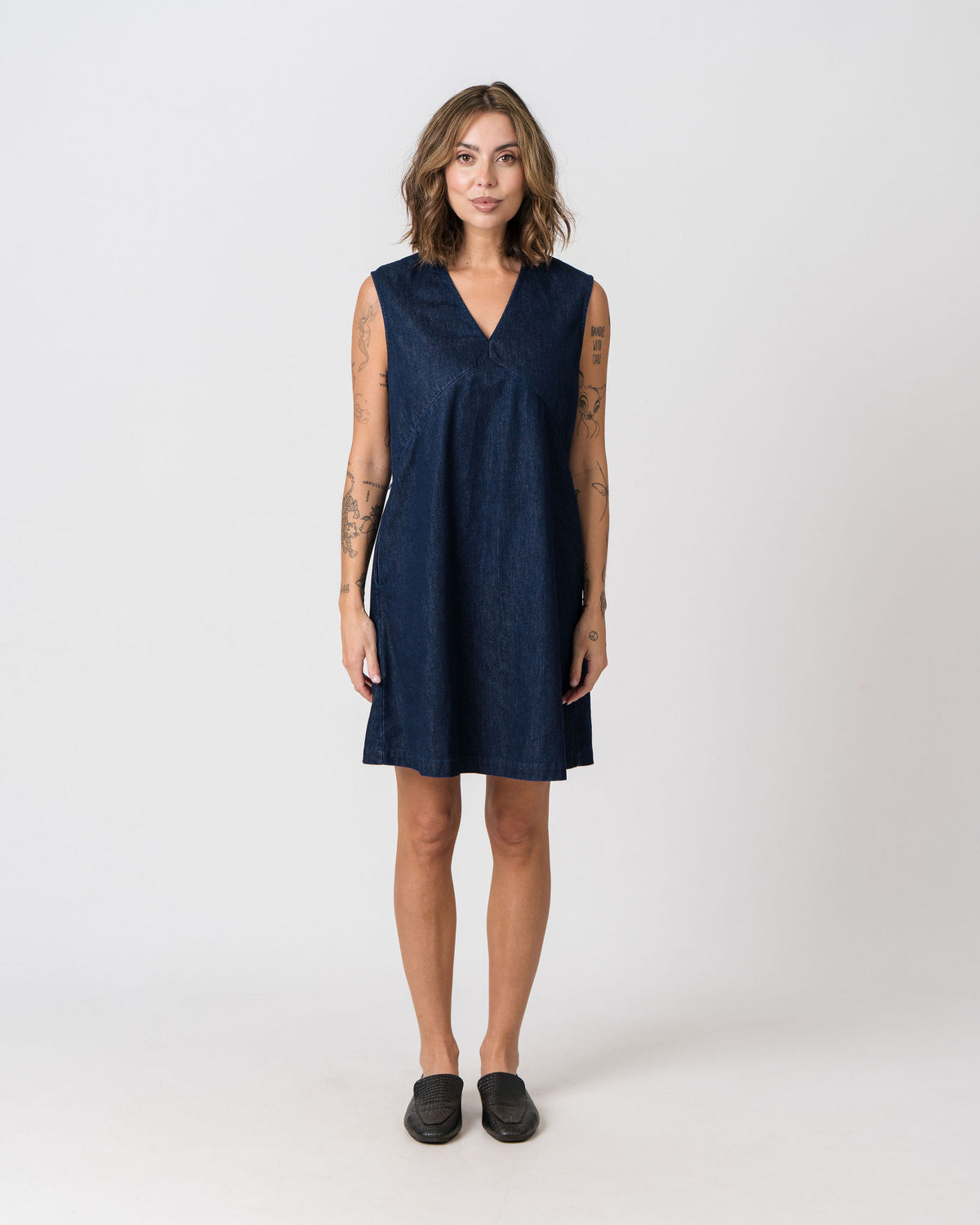
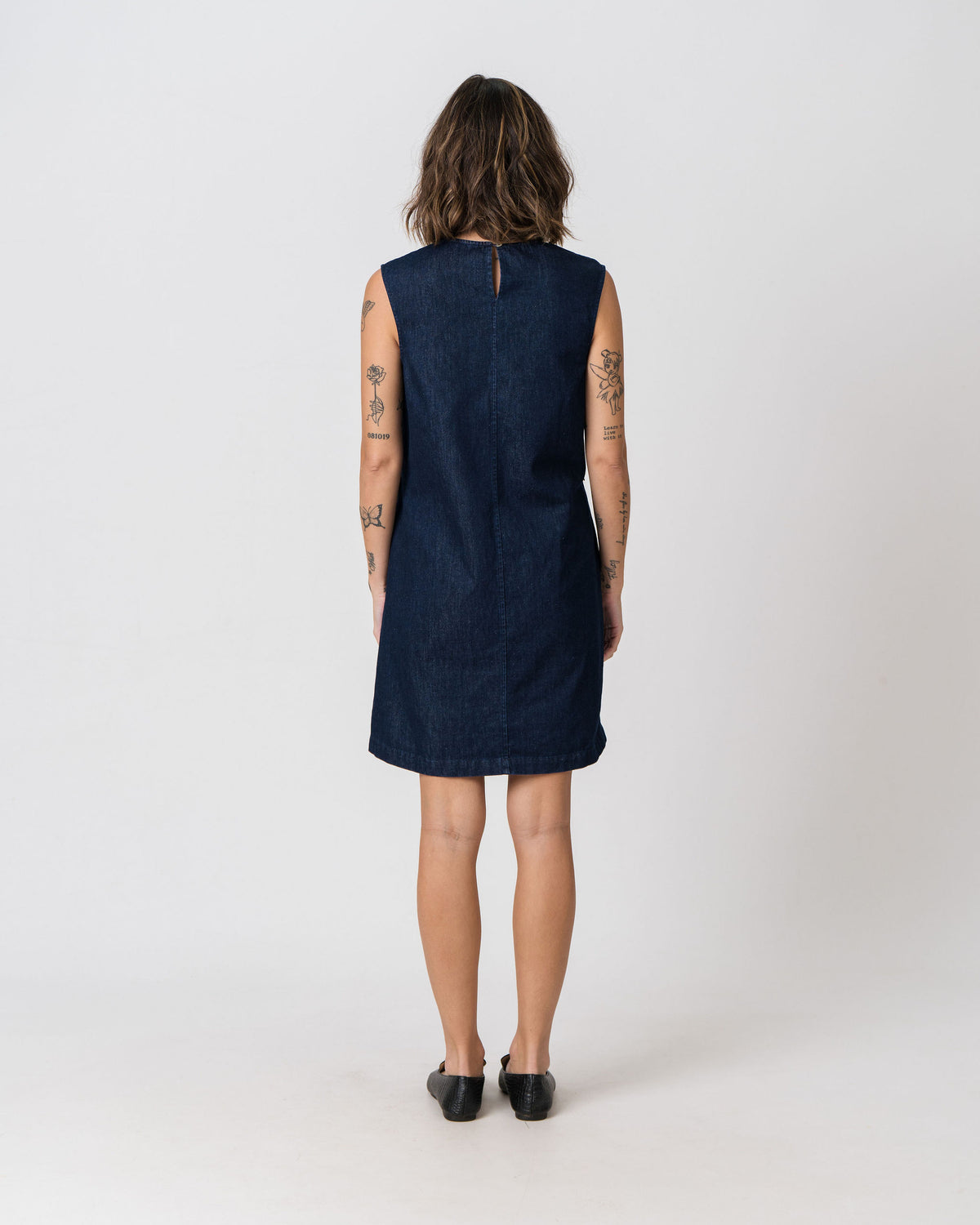
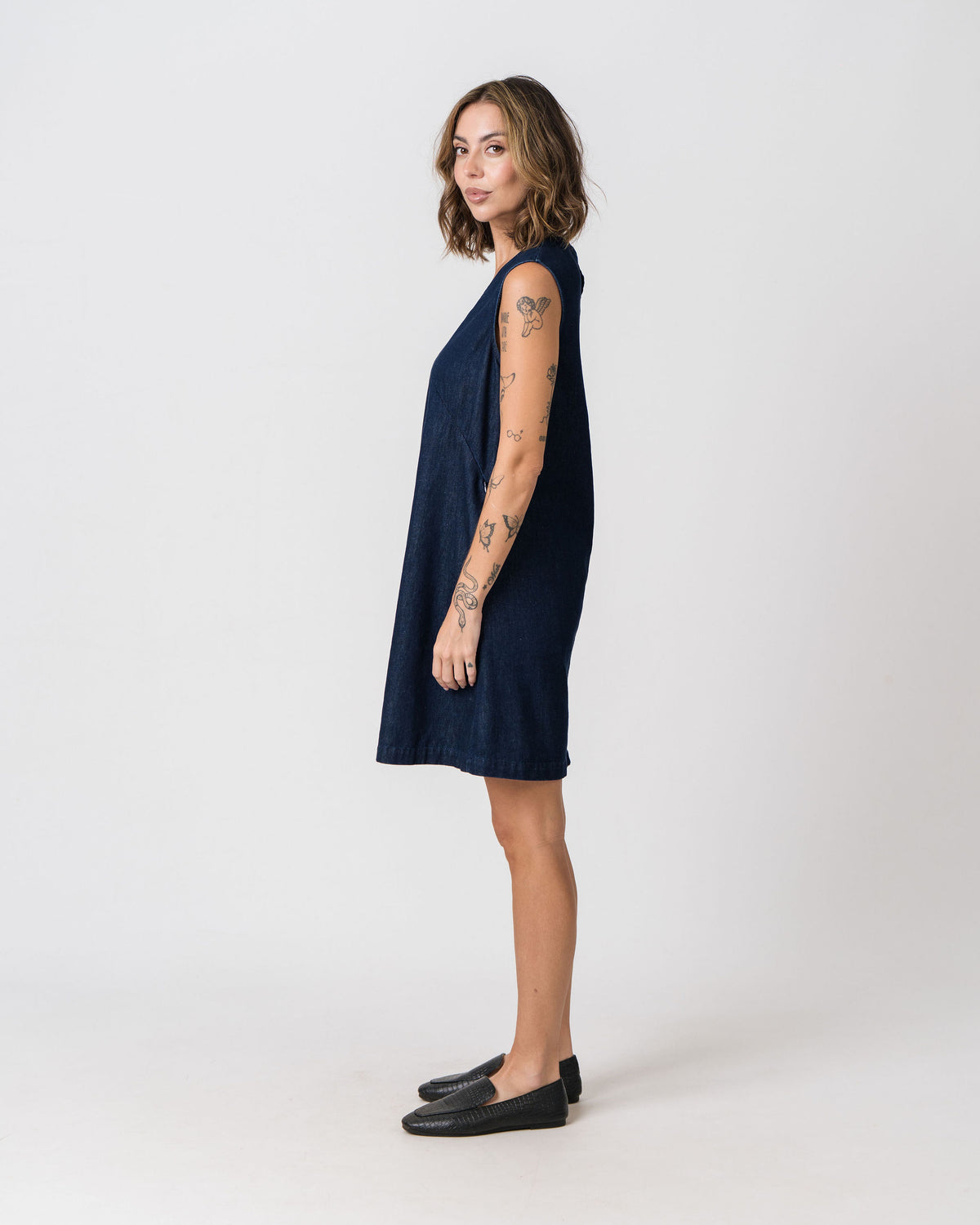
Relaxed A-line, babydoll, smock and other easy relaxed silhouettes can offer more flexibility through pregnancy and postpartum without requiring the dress to look overtly maternity.
If you are shopping while pregnant, it is worth checking whether the style has enough room through the waist while the belly grows as well as whether the breastfeeding access will work after birth.

7. Thoughtful Details Beyond Breastfeeding Access
A breastfeeding-friendly dress still needs to function as a dress.
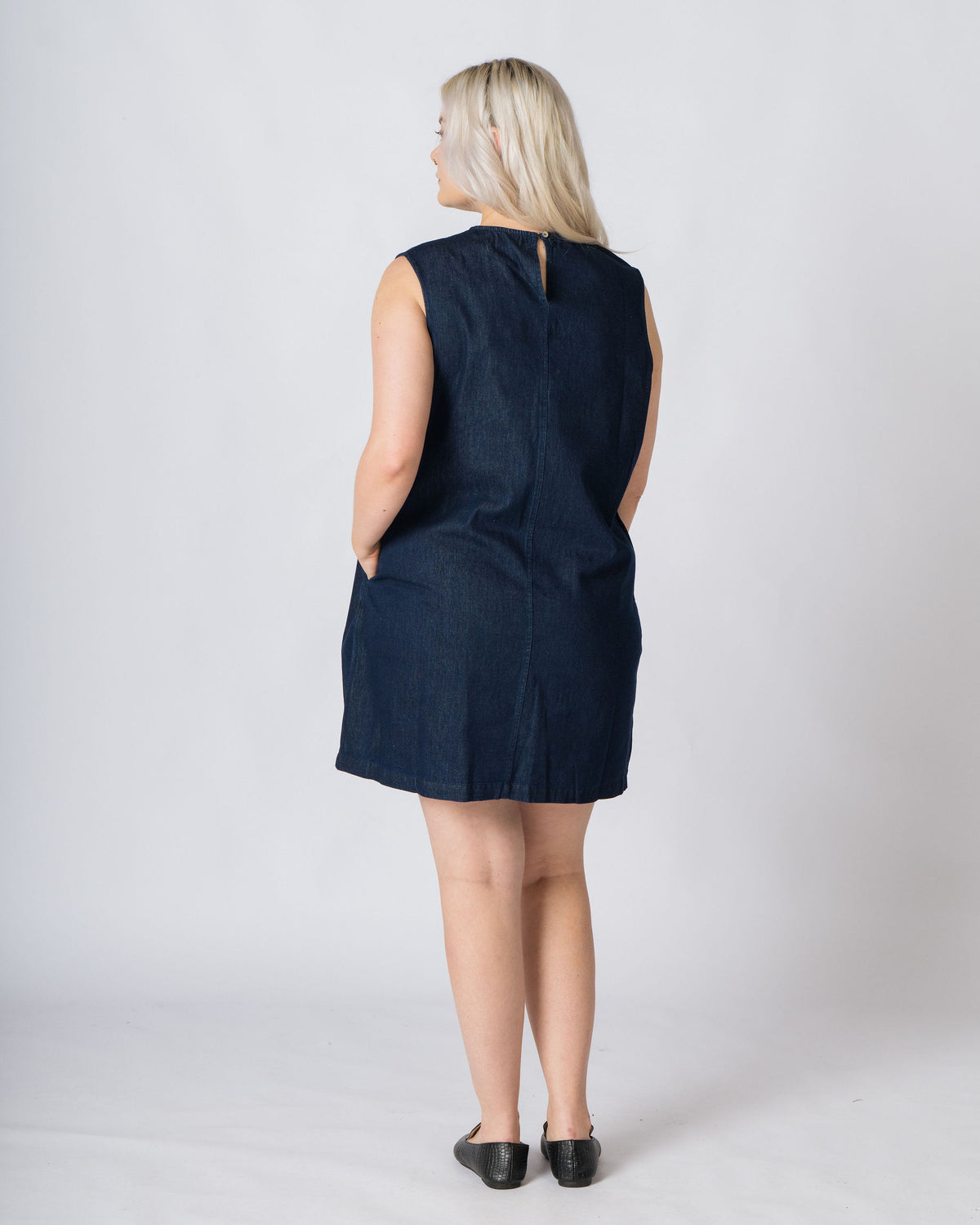
Pockets can make an enormous difference when you suddenly need somewhere to put a phone, dummy, wipes or something your child has just handed you.
Lining can improve comfort and coverage. Sleeve shape can affect how practical the dress feels when carrying a baby. Length matters when you are bending over prams, sitting on the floor or constantly moving.
The most useful breastfeeding clothing tends to consider motherhood as a whole rather than simply adding an opening at the bust.
8. Nursing Features That Do Not Look Obvious
For many mums, one of the biggest frustrations with traditional nursing wear is that it can look very obviously like nursing wear.
Extra panels, visible openings and overly maternity-specific silhouettes may be functional, but they can make the garment feel temporary.
A breastfeeding-friendly dress does not have to advertise its function.
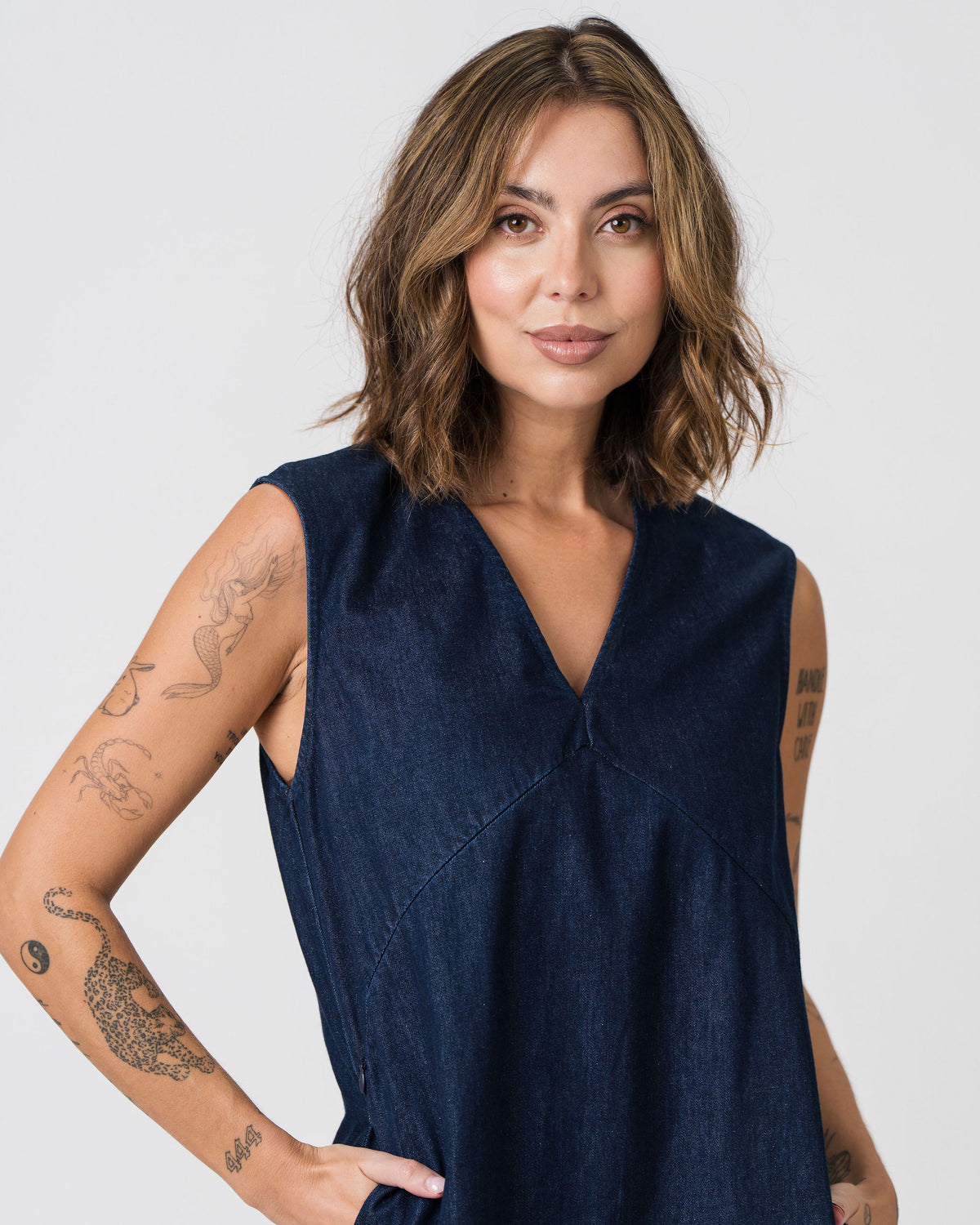
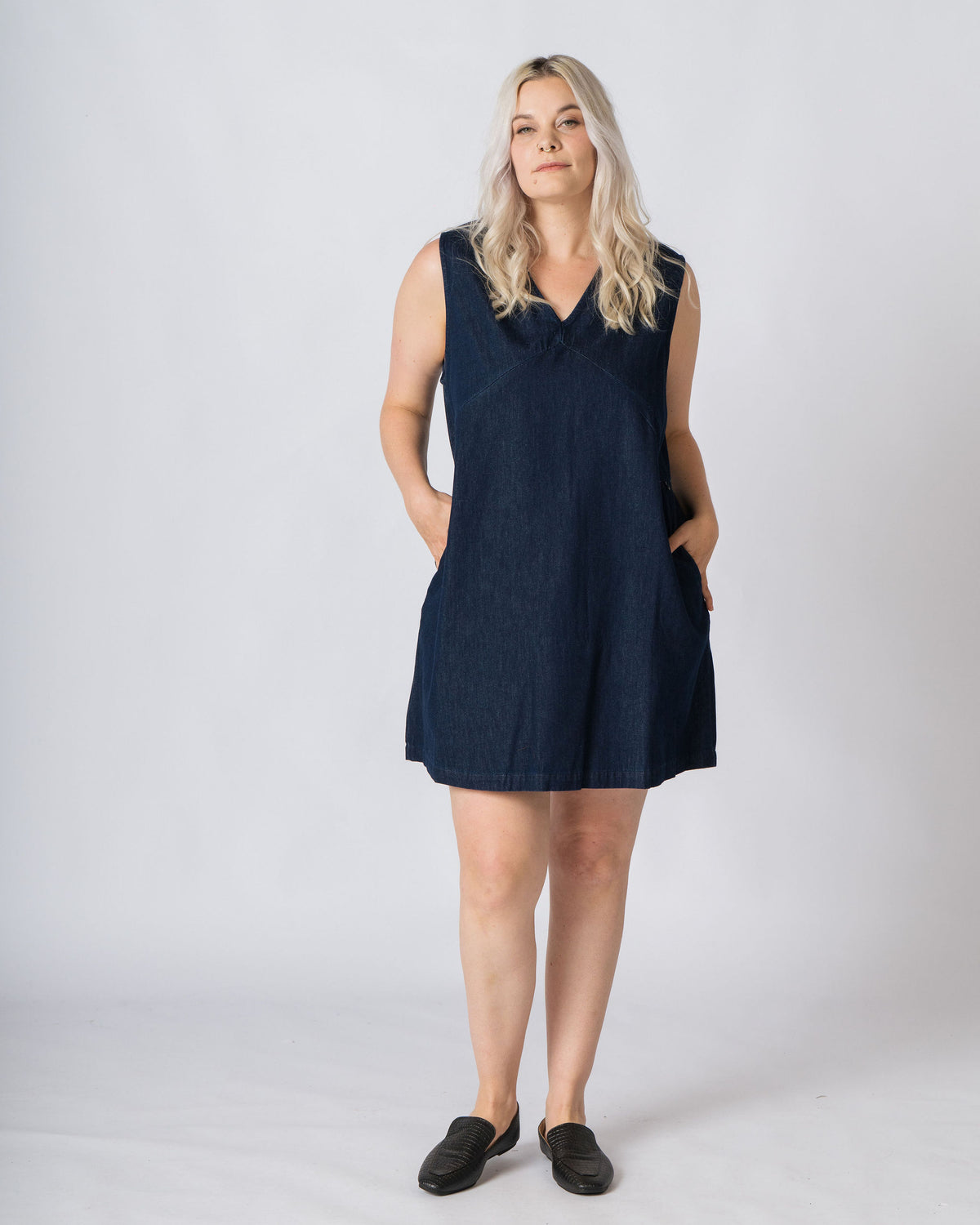
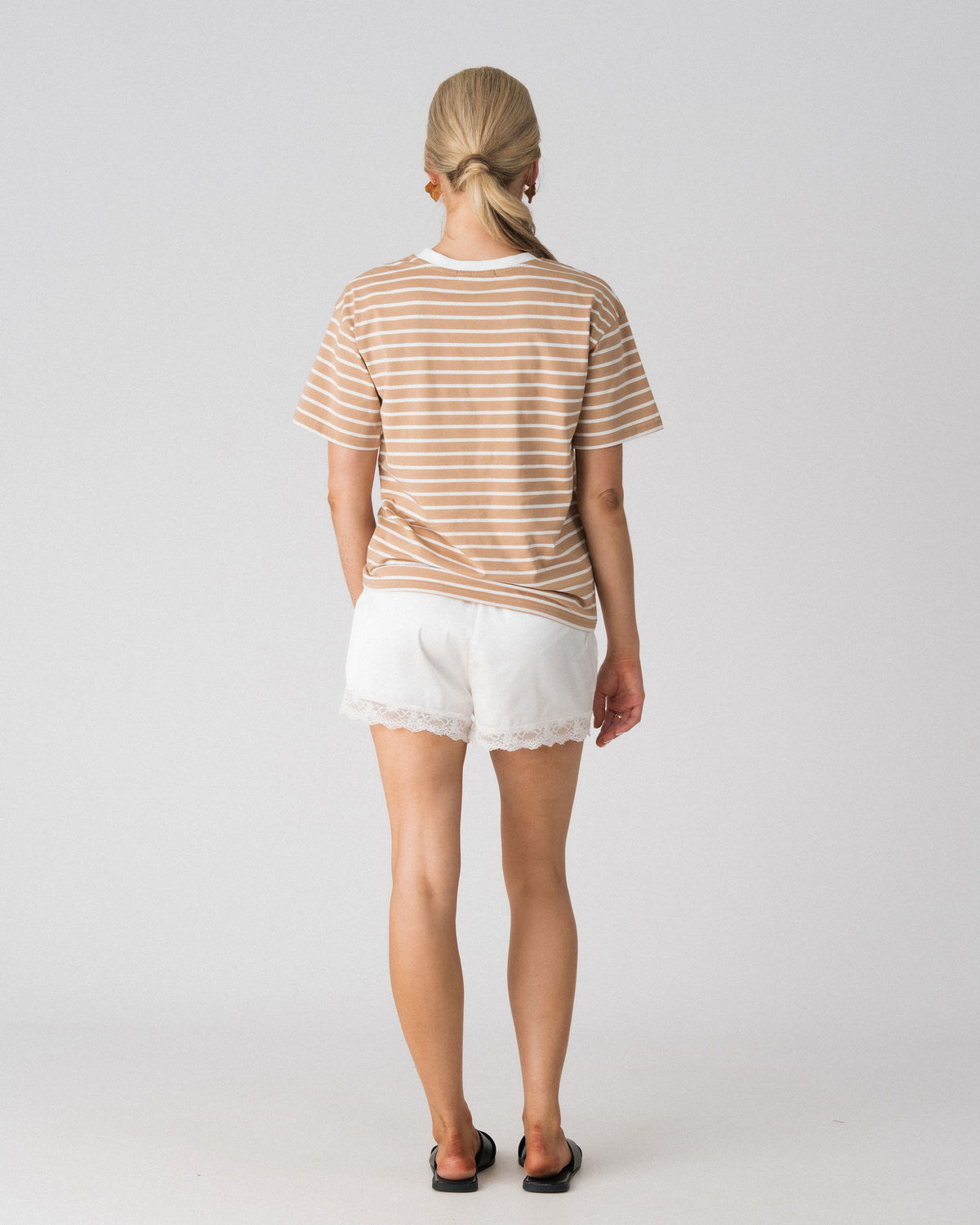
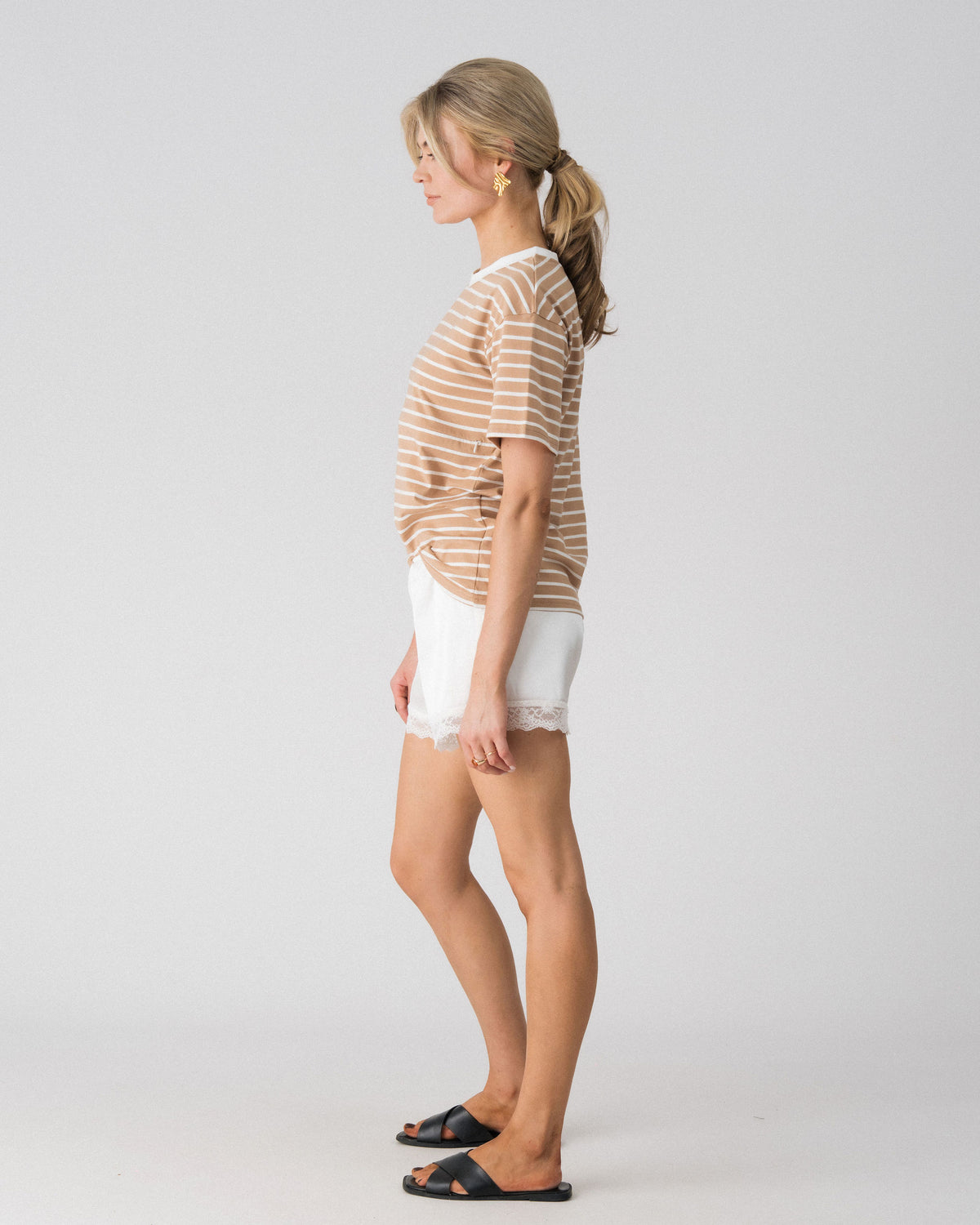
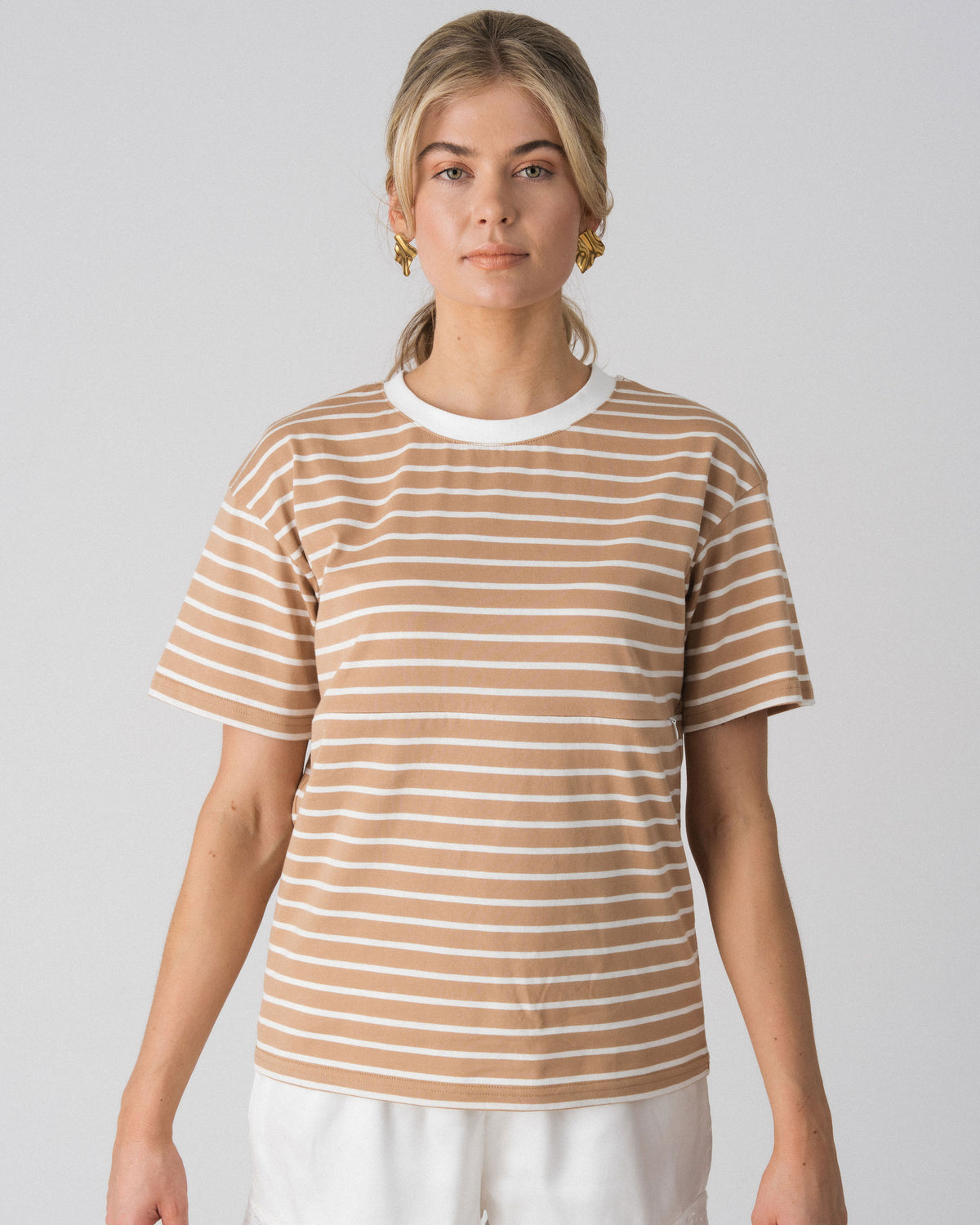
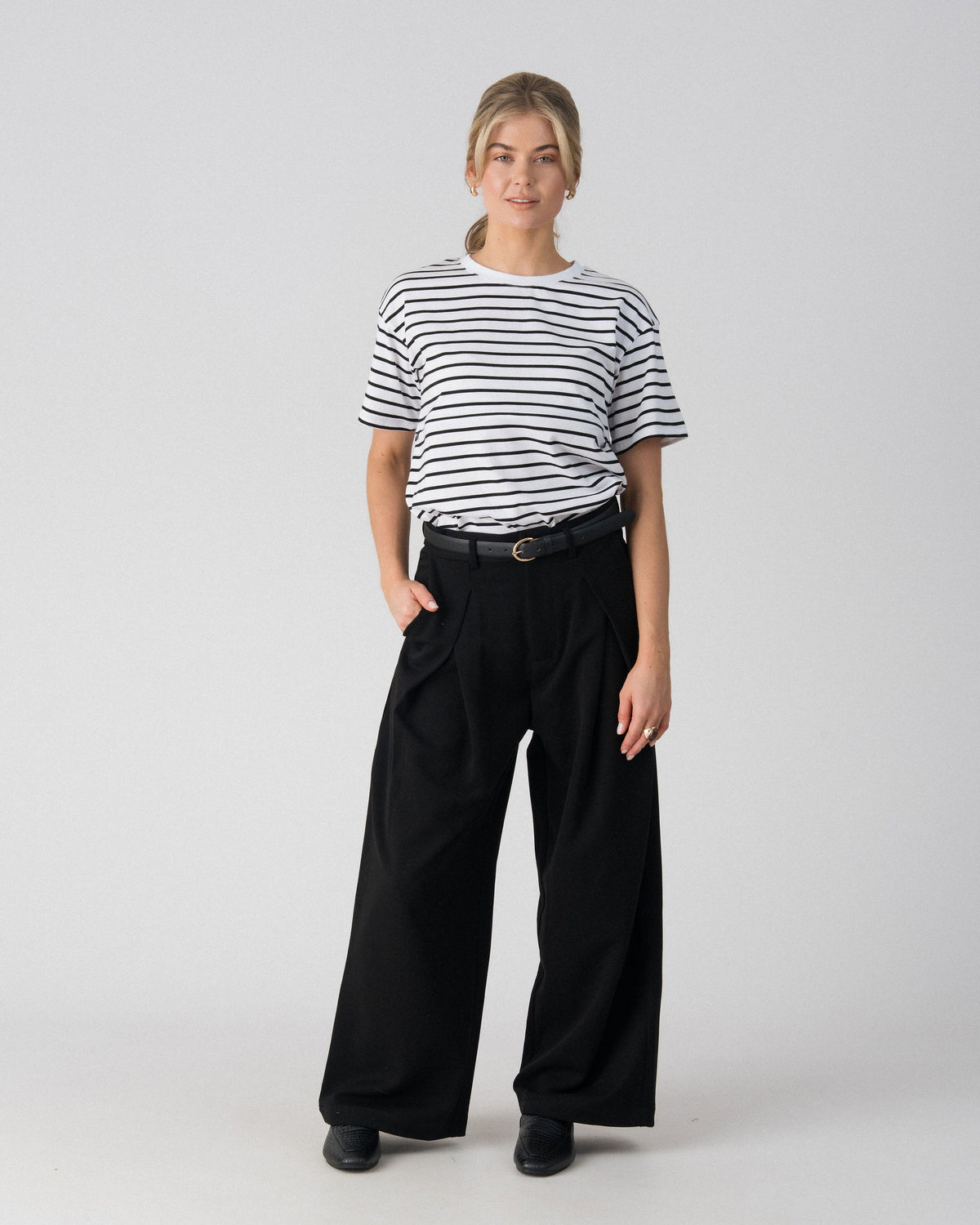
Hidden zips can be incorporated into seams, stripes or necklines, while front bow ties can look like a regular design feature. Ideally, the nursing access disappears into the garment when it is closed.
That means the dress can still make sense in your wardrobe once breastfeeding ends.

9. Something You Would Actually Wear After Breastfeeding
This is one of the most useful questions to ask before buying any nursing garment:
Would I still choose this if I were not breastfeeding?
If the answer is yes, there is a good chance the piece will have a much longer life in your wardrobe.
Breastfeeding is one stage of motherhood. Clothing that works during that stage without being defined by it can offer far better value and help reduce the feeling of building yet another temporary wardrobe.
At Lenelly, this is something we think about from the beginning of the design process.
Our breastfeeding-friendly dresses use discreet access such as hidden underbust zips and diagonal neckline zips, while the overall silhouette is designed to feel like a regular dress first.
The goal is simple: easy feeding access, comfortable shapes and pieces you would still want to wear later.
So, What Should You Look For in a Breastfeeding-Friendly Dress?
Before buying, ask yourself:
- Can I access one breast easily?
- Do I need to lift or remove the dress to feed?
- How much skin will be exposed?
- Is the bust comfortable if my size fluctuates?
- Is the fabric soft, breathable and easy to wash?
- Does the silhouette work for my body right now?
- Will I still want to wear it after breastfeeding?
The best breastfeeding-friendly dress is not necessarily the one with the most obvious nursing feature.
It is the one that quietly makes feeding easier while still feeling like something you would have chosen anyway.
Because motherhood changes enough. Your wardrobe does not need to feel temporary too.